
Glow Green: Your Guide to Sustainable Beauty Brands for a Conscious Routine
Decoding Green Beauty: What Makes a Brand Truly Sustainable?
The term “green beauty” can feel like a vast, often ambiguous landscape. With countless brands vying for your attention, each proclaiming their eco-credentials, understanding what truly constitutes a sustainable beauty brand is the first crucial step. True sustainability in beauty extends far beyond a single “natural” ingredient or a recycled cap; it encompasses a holistic commitment to environmental and social responsibility throughout a brand’s entire lifecycle.
At its core, a sustainable beauty brand minimizes its environmental impact and contributes positively to society. This involves several critical dimensions:
- Ingredient Sourcing: Are ingredients ethically and sustainably harvested? This means opting for renewable resources, avoiding over-exploitation, ensuring fair wages for farmers (often indicated by Fair Trade certifications), and prioritizing organic or wild-harvested botanicals that support biodiversity. For instance, a brand sourcing shea butter might ensure it comes from a cooperative that empowers local women and practices sustainable harvesting.
- Manufacturing Processes: How are the products made? Sustainable brands often utilize renewable energy sources (like solar or wind power) in their facilities, minimize water usage, and reduce waste generation. They might employ cold-pressed extraction methods to save energy or implement closed-loop systems for water recycling.
- Packaging Innovation: This is a highly visible aspect of sustainability. Look for brands committed to reducing plastic use, opting for materials like glass, aluminum, post-consumer recycled (PCR) plastic, biodegradable options, or refillable systems. A brand might aim for 100% plastic-free packaging, or design products with infinitely recyclable components.
- Waste Management: Beyond initial packaging, truly sustainable brands consider the end-of-life for their products. Do they offer take-back programs for empties, or partner with recycling initiatives? Are their formulas readily biodegradable, ensuring they don’t pollute water systems after use?
- Ethical Labor Practices: Sustainability isn’t just about the environment; it’s also about people. Brands should ensure fair wages, safe working conditions, and respect for human rights across their entire supply chain, from ingredient farmers to factory workers.
- Transparency and Certifications: Reputable certifications (like USDA Organic, Leaping Bunny (cruelty-free), Ecocert, B Corp, etc.) provide third-party verification of a brand’s claims. Transparency about ingredient origins, manufacturing processes, and sustainability goals builds trust. For example, a brand might publish its annual sustainability report detailing its progress and challenges.
Practical Tip: Become a Label Detective
Don’t just skim the front label. Turn the product over and examine the ingredient list, looking for certifications and specific environmental claims. Research brands online to delve deeper into their sustainability commitments and read independent reviews or reports. A truly sustainable brand will be proud to share details about its practices, often on a dedicated section of its website.
The Pillars of Purity: Key Ingredients to Look For and Avoid
When selecting Sustainable Beauty Brands for Women, the ingredients list is your roadmap to understanding a product’s true nature. Conscious consumers prioritize formulations that are not only effective but also kind to their bodies and the planet. Navigating this landscape requires an understanding of what to embrace and what to approach with caution.
Ingredients to Embrace:
- Organic & Certified Organic Ingredients: These are grown without synthetic pesticides, herbicides, or GMOs, protecting soil health, water systems, and biodiversity. Look for certifications like USDA Organic or Ecocert, which guarantee stringent standards from farm to product. For example, a certified organic rosehip oil not only offers potent skincare benefits but also supports ecological farming practices.
- Wild-Harvested & Sustainably Sourced Botanicals: Ingredients gathered from their natural habitats in a way that doesn’t harm the ecosystem or deplete the plant population. This ensures the long-term health of natural resources. Examples include wild-harvested argan oil from Morocco or sea algae harvested with minimal environmental impact.
- Fair Trade Certified Ingredients: These ensure that farmers and workers involved in ingredient production receive fair wages and work in safe conditions. This promotes social equity and sustainable economic development in communities, often in developing countries. Common Fair Trade ingredients include shea butter, cocoa butter, and coffee.
- Upcycled Ingredients: A growing trend where by-products from other industries (like fruit seeds from juice production or coffee grounds from cafes) are repurposed into valuable cosmetic ingredients. This minimizes waste and maximizes resource efficiency. Think of olive pits ground into exfoliants or cranberry seed oil extracted from fruit waste.
- Biodegradable & Reef-Safe Formulas: Products that break down naturally without harming aquatic life or ecosystems. This is particularly important for rinse-off products like cleansers, shampoos, and sunscreens. Look for “reef-safe” claims for sunscreens to protect coral reefs from harmful chemicals like oxybenzone and octinoxate.
- Plant-Based & Vegan Ingredients: Choosing vegan products means no animal-derived ingredients (like carmine, lanolin, beeswax, or collagen), reducing the environmental impact associated with animal agriculture and ensuring cruelty-free production.
Ingredients to Approach with Caution (or Avoid):
- Microplastics & Plastic Glitters: Tiny plastic particles found in some exfoliants, toothpastes, and decorative cosmetics that pollute oceans and enter the food chain. Always opt for natural exfoliants like jojoba beads, sugar, or ground seeds.
- Certain Petroleum Derivatives: While not inherently harmful to humans, the extraction and processing of petroleum (e.g., mineral oil, paraffin wax, petrolatum) contribute significantly to fossil fuel reliance and greenhouse gas emissions. Seek plant-based alternatives like squalane (from olives or sugarcane) or plant oils.
- Synthetic Fragrances: Often a blend of numerous undisclosed chemicals, some of which can be allergens or endocrine disruptors, and their production can involve non-sustainable petrochemicals. Opt for products scented with essential oils or natural extracts, or choose fragrance-free options.
- Parabens, Phthalates, Sulfates, Silicones: While not all of these are direct environmental concerns from a production standpoint, they are often flagged in the “clean beauty” conversation for potential health impacts and their persistent presence in waterways. Avoiding them often aligns with a broader philosophy of natural, less processed ingredients, which is generally more sustainable.
- Non-Sustainable Palm Oil: Palm oil production is a major driver of deforestation, habitat loss, and climate change. While palm oil itself is a versatile ingredient, always look for products that use Certified Sustainable Palm Oil (CSPO) or palm oil derivatives, or choose brands that are completely palm oil-free.
Practical Tip: Start Simple
You don’t need to overhaul your entire routine overnight. Begin by replacing one category of products, like your daily moisturizer or cleanser, with options from Sustainable Beauty Brands for Women that prioritize these pure ingredients. As you become more familiar, expand your conscious choices to other areas of your routine.
Beyond the Bottle: Packaging Innovation in Sustainable Beauty
When we talk about Sustainable Beauty Brands for Women, the conversation inevitably turns to packaging. The beauty industry is notorious for its plastic waste, with millions of tons of plastic packaging ending up in landfills or oceans annually. Innovative packaging solutions are a cornerstone of a brand’s sustainability commitment, demonstrating a tangible effort to reduce environmental impact.
Truly sustainable brands are rethinking packaging from conception to disposal, focusing on a “reduce, reuse, recycle” hierarchy:
Reduce:
- Minimalist Packaging: Brands are stripping away unnecessary layers, opting for single-material designs, and eliminating excess outer boxes or inserts. Less material used means less waste generated.
- Concentrated & Waterless Formulas: By removing water, products become more potent and require less packaging per use. Think solid shampoo bars, concentrated serums, or powder cleansers. This also reduces shipping weight and associated carbon emissions. Ethique, for example, is a pioneer in waterless beauty, offering shampoo and conditioner bars that are equivalent to multiple bottles of liquid product.
- Lightweight Materials: Choosing lighter materials for containers (e.g., thin-walled glass, bamboo) reduces the carbon footprint associated with transportation.
Reuse:
- Refillable Systems: This is arguably one of the most impactful innovations. Brands offer durable, often elegant, primary containers that customers can refill with product inserts or at designated refill stations. This drastically cuts down on the production of new packaging. Examples include refillable lipstick cases, deodorant sticks, or skincare jars.
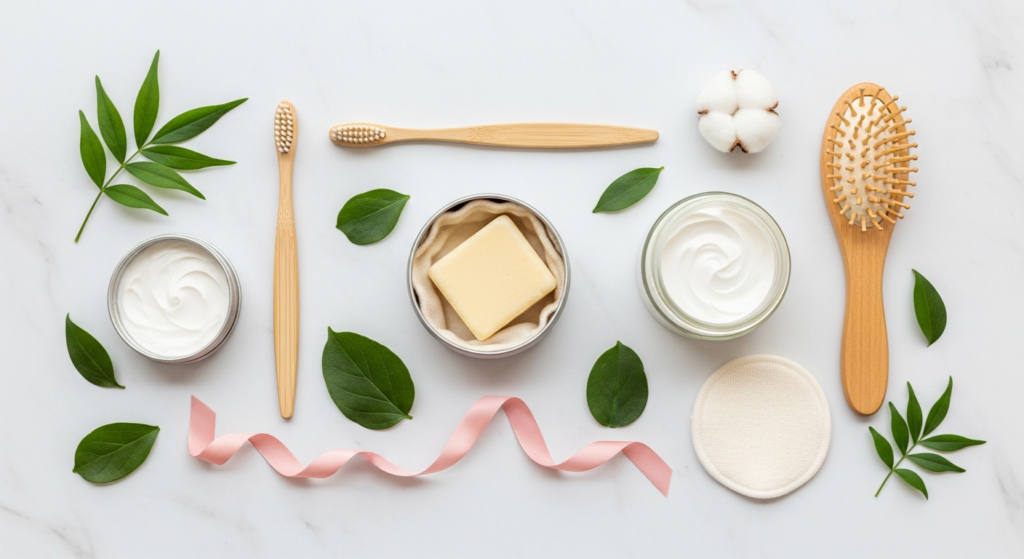
- Reusable Accessories: Swapping single-use cotton pads for reusable bamboo rounds, or investing in washable makeup remover cloths, reduces daily waste.
Recycle:
- Post-Consumer Recycled (PCR) Materials: Brands are increasingly using plastic that has already been recycled from consumer waste to create new packaging. This diverts plastic from landfills and reduces the demand for virgin plastic production. Look for “PCR” labels on bottles.
- Infinitely Recyclable Materials: Glass and aluminum are excellent choices because they can be recycled repeatedly without significant loss of quality. Many brands are switching to these materials, particularly for high-end skincare.
- Biodegradable & Compostable Packaging: Materials like mushroom mycelium, seaweed-based plastics, or paperboard that can naturally decompose without leaving harmful residues. These are ideal for single-use items or components not easily recycled.
- Terracycle Partnerships & Take-Back Programs: For hard-to-recycle items like pump dispensers, sachets, or specific plastic types, some brands partner with specialized recycling companies like Terracycle or offer their own mail-back programs to ensure proper disposal and upcycling.
Practical Tip: Look for the “Rethink” Mindset
When evaluating Sustainable Beauty Brands for Women, ask yourself: Is the brand just using one recycled component, or are they genuinely rethinking the entire packaging process? Are they educating consumers on how to properly dispose of or recycle their products? Prioritize brands with clear instructions on how to refill, recycle, or return their packaging.
Ethical Elegance: Brand Values and Supply Chain Transparency
Beyond ingredients and packaging, the true soul of a sustainable beauty brand lies in its ethical stance and the transparency of its operations. For many women, aligning with brands that uphold strong moral principles is just as important as the product’s efficacy or environmental impact. Ethical elegance means a commitment to doing good at every stage, from sourcing raw materials to delivering the final product to your hands.
Key Aspects of Ethical Elegance:
- Cruelty-Free & Vegan: A fundamental ethical standard. Cruelty-free means no animal testing at any stage of product development. Vegan means no animal-derived ingredients. Look for certifications like Leaping Bunny or The Vegan Society logo. Many brands are PETA-certified, too. This isn’t just about animal welfare; it often signifies a brand that cares deeply about its impact across the board.
- Fair Labor Practices & Community Impact: Sustainable brands are committed to fair wages, safe working conditions, and ethical treatment for all individuals in their supply chain. This extends from farmers harvesting botanicals in remote regions to factory workers and retail staff. Some brands go further, investing in the communities where their ingredients are sourced, providing education, healthcare, or infrastructure support. Tata Harper, for example, is known for its farm-to-face approach, where every step of production is done in-house, ensuring ethical oversight.
- Supply Chain Transparency: This is a powerful indicator of a brand’s integrity. Ethical brands are open about where their ingredients come from, how they are processed, and the conditions under which their products are manufactured. They often provide details about their suppliers, certifications, and audits. This level of transparency helps consumers make truly informed decisions and holds brands accountable.
- Certifications and Verifications: While self-proclaimed “ethical” claims are easy to make, third-party certifications offer credible validation.
- B Corp Certification: This rigorous certification assesses a company’s entire social and environmental performance, transparency, and accountability. A B Corp certified beauty brand demonstrates a balanced commitment to profit and purpose.
- Fair Trade Certified: Guarantees ethical sourcing and fair compensation for farmers and workers.
- Carbon Neutral/Positive: Brands that offset their carbon emissions (neutral) or remove more carbon than they emit (positive) demonstrate a commitment to climate action.
- Diversity & Inclusivity: While not directly environmental, a truly ethical brand embraces diversity in its product offerings (e.g., a wide range of foundation shades), its marketing, and its internal hiring practices. This reflects a broader commitment to social responsibility and equity.
- Philanthropy & Giving Back: Many ethical brands allocate a portion of their profits to environmental causes, social justice initiatives, or local communities. This demonstrates a commitment beyond their core business operations. For example, some brands partner with organizations dedicated to ocean cleanup or empowering women entrepreneurs.
Practical Tip: Dive into “About Us” Pages
When researching Sustainable Beauty Brands for Women, don’t just look at product descriptions. Spend time on the brand’s “About Us,” “Our Values,” or “Sustainability” pages. Look for specific details, certifications, and evidence of their commitments rather than vague statements. A brand that truly embodies ethical elegance will have a clear, well-articulated mission and transparent reporting.
Spotlight on Excellence: Top Sustainable Beauty Brands for Women to Explore
Ready to update your beauty arsenal with products that perform wonderfully while upholding the highest sustainability standards? The landscape of Sustainable Beauty Brands for Women is rich with innovators leading the charge. Here, we spotlight a few examples that excel in different aspects of sustainability, offering you diverse entry points for your conscious routine. Each of these brands demonstrates a robust commitment to planet and people, making them excellent choices for the discerning consumer.
1. ILIA Beauty: The Pioneer of “Clean” and Conscious Makeup
ILIA Beauty has become a go-to for women seeking high-performance makeup with impeccable clean ingredients and a strong sustainability ethos. Founded on the principle of “skin-centric” beauty, ILIA masterfully blends skincare and makeup, ensuring every product nourishes the skin while providing vibrant color and coverage. Their sustainability commitment is evident in several key areas:
- Ingredient Integrity: ILIA prioritizes organic and natural ingredients where possible, focusing on active botanicals. They have a rigorous “no-go” list of over 2,000 ingredients they refuse to use, far exceeding industry standards. Their products are often packed with beneficial oils, plant extracts, and non-nano mineral sunscreens.
- Sustainable Packaging: ILIA is a leader in minimizing packaging waste. They utilize post-consumer recycled (PCR) aluminum, glass, and paper components extensively. Many of their products, such as their bestselling Multi-Stick and Limitless Lash Mascara, are designed with sleek, minimalist packaging that emphasizes recyclability. They also encourage customers to mail back their empties to Terracycle for proper recycling through their “ILIA Recycle” program, a direct action that closes the loop on hard-to-recycle items.
- Ethical Production: ILIA ensures responsible sourcing and manufacturing, working with certified suppliers and maintaining transparency about their processes. They are also Leaping Bunny certified cruelty-free.
Why Choose ILIA: For those seeking a full range of luxurious, effective makeup that actively benefits skin health and dramatically reduces packaging waste, ILIA is an outstanding choice. Their commitment to clean, high-performing formulas and innovative recycling programs sets a benchmark for the industry.
2. REN Clean Skincare: A Vision for a “Zero Waste” Future
REN Clean Skincare has been at the forefront of the clean beauty movement for over two decades, known for its effective, sensitive-skin-friendly formulas. More recently, REN has made monumental strides in packaging innovation, setting ambitious targets for a truly circular beauty economy.
- Pioneering Packaging: REN is celebrated for its “Zero Waste” mission, aiming for all packaging to be designed for recycling, designed for reuse, or contain recycled materials. They were one of the first brands to use 100% PCR bottles made from ocean plastic and continue to innovate with refill pouches and aluminum packaging. For example, their Evercalm Global Protection Day Cream now comes in a unique, easy-to-recycle monomaterial tube made from 100% PCR plastic, eliminating the mixed materials that often hinder recycling.
- Clean Formulas: True to its name, REN adheres to a strict “clean” ingredient policy, avoiding potentially irritating or environmentally harmful ingredients like synthetic fragrances, harsh sulfates, parabens, and phthalates. Their formulas are often geared towards sensitive skin, using naturally derived actives.
- Transparent Manufacturing: REN provides clear information about its manufacturing partners and processes, ensuring ethical standards and minimizing environmental impact throughout production. They also invest in environmental initiatives.
Why Choose REN: If your priority is skincare that delivers visible results without compromise on ingredients, and you want to support a brand that is relentlessly pushing the boundaries of truly recyclable and recycled packaging, REN Clean Skincare is an exemplary option. They demonstrate how a legacy brand can reinvent itself for a sustainable future.
3. Ethique: The Revolution of Waterless, Plastic-Free Beauty
Ethique is not just a sustainable beauty brand; it’s a movement. Hailing from New Zealand, Ethique revolutionized the industry by creating concentrated, waterless solid beauty bars for everything from shampoo and conditioner to body wash, face cleansers, and even self-tanner. Their entire philosophy is built around eliminating plastic waste and conserving water.
- 100% Plastic-Free & Compostable Packaging: This is Ethique’s defining feature. All products are packaged in certified home-compostable packaging or are completely naked. They have prevented over 25 million plastic bottles from being manufactured and disposed of, a truly staggering achievement.
- Concentrated & Waterless Formulas: Their solid bars are incredibly concentrated, meaning one shampoo bar can replace up to three bottles of liquid shampoo. This not only eliminates plastic but also significantly reduces the water content in products, leading to a smaller carbon footprint during transport and production.
- Sustainable Ingredients & Ethical Sourcing: Ethique uses only sustainably sourced, naturally derived, vegan, and palm oil-free ingredients. They are a certified B Corp, ensuring high standards of social and environmental performance. They also pay a living wage to all staff and donate 2% of sales to charity.
- Cruelty-Free: Ethique is Leaping Bunny certified, ensuring no animal testing.
Why Choose Ethique: For the ultimate plastic-free, water-saving beauty routine, Ethique is unmatched. Their commitment to sustainability is woven into the very fabric of their product design and business model. If you’re ready to embrace solid bars and dramatically reduce your environmental impact, Ethique is your go-to.
4. Tata Harper: Farm-to-Face Luxury with Uncompromising Purity
For those who appreciate luxury and efficacy alongside unwavering sustainability, Tata Harper sets the gold standard. This Vermont-based brand is renowned for its high-performance, 100% natural, non-toxic, and anti-aging skincare, all produced on their own certified organic farm.
- Vertical Integration & Organic Farm: Tata Harper’s unique selling proposition is its vertically integrated production. All products are formulated, batched, filled, and shipped from their own farm in Vermont. This allows for unparalleled control over ingredient quality, freshness, and ethical labor practices. They grow many of their own botanicals, ensuring peak potency and sustainable cultivation.
- Ultra-Clean & Potent Formulas: Every product is made with 100% natural and non-toxic ingredients, with a strong emphasis on active botanicals. They never use synthetic chemicals, artificial fragrances, fillers, or genetically modified ingredients. Their formulations often boast a high concentration of active ingredients, delivering visible results.
- Commitment to Transparency: Tata Harper prides itself on transparency, detailing every ingredient and its function. They are also a Leaping Bunny certified cruelty-free brand.
- Conscious Packaging: While their packaging maintains a luxurious aesthetic, it’s also designed with sustainability in mind. They use high-quality glass bottles, recycled paperboard, and eco-friendly printing. They also offer a recycling program for certain components.
Why Choose Tata Harper: If you seek a luxury skincare experience that is completely natural, highly effective, and backed by a comprehensive farm-to-face sustainability model, Tata Harper is an exceptional choice. Their dedication to purity, potency, and ethical, in-house production offers peace of mind with every application.
Practical Tip: Diverse Exploration
These examples showcase the diverse approaches to sustainability. You might start with a brand known for its packaging (Ethique, REN) if plastic waste is your biggest concern, or one focused on clean ingredients (ILIA, Tata Harper) if ingredient purity is paramount. Mix and match to build a routine that aligns with your specific priorities and helps you discover your favorite Sustainable Beauty Brands for Women.
Building Your Conscious Collection: Practical Steps to Transition
Transitioning to a fully sustainable beauty routine might seem daunting, but it doesn’t have to be. It’s a journey, not a race, and every small step makes a difference. Building your conscious collection of Sustainable Beauty Brands for Women can be a rewarding process that gradually transforms your self-care rituals. Here are practical, actionable steps to guide you:
- Audit Your Current Routine: Before buying anything new, take stock of what you currently use. Look at ingredient lists, packaging materials, and expiration dates. Identify products that are nearly empty or those you don’t truly love. This helps you prioritize what to replace first and avoid unnecessary waste.
- Start Small: Replace One Product at a Time: Don’t feel pressured to toss everything out and start fresh. As products run out, replace them with a sustainable alternative. Begin with a high-frequency item like your daily cleanser, moisturizer, or shampoo. This gradual approach allows you to research effectively, try new brands, and avoid overwhelming your budget or your vanity.
- Focus on High-Impact Swaps: Prioritize products with particularly problematic ingredients or excessive packaging. For example, switching from a liquid shampoo in a plastic bottle to a solid shampoo bar (like those from Ethique) can significantly reduce your plastic footprint with a single swap. Similarly, replacing a sunscreen containing reef-harming chemicals with a mineral, reef-safe option makes a big environmental difference.
- Research Thoroughly (and Enjoy the Process!): Use the criteria discussed earlier (ingredients, packaging, ethics, transparency) to guide your research. Read reviews, visit brand websites, and consult trusted sources like Sometimes Daily. There’s a joy in discovering brands that genuinely align with your values. Keep a list of potential products or brands you’d like to try.
- Prioritize Refillable and Reusable Options: Whenever possible, opt for brands that offer refillable packaging or concentrated formulas. This is a game-changer for long-term sustainability. Invest in reusable accessories like bamboo cotton rounds or microfiber makeup removers to cut down on disposable items.
- Embrace DIY (When Practical): For some items, simple DIY recipes can be a sustainable and cost-effective alternative. Think homemade sugar scrubs, facial masks with kitchen ingredients, or apple cider vinegar hair rinses. Just ensure you research recipes for safety and efficacy.
- Support Small & Local Sustainable Businesses: Often, smaller brands and local artisans have an even deeper commitment to sustainability and ethical practices. They may use locally sourced ingredients, handcrafted methods, and compostable packaging. Buying local also reduces transportation emissions. Explore farmers’ markets, craft fairs, and online marketplaces for these gems.
- Don’t Waste What You Have: The most sustainable product is the one you already own. Use up your existing products completely before replacing them. If you have products you won’t use, consider giving them to friends or family (if unopened and unexpired) rather than throwing them away.
- Educate Yourself Continuously: The world of sustainable beauty is constantly evolving. New innovations, ingredients, and certifications emerge regularly. Stay informed by reading articles, following sustainable beauty influencers, and engaging with brand communities.
Practical Tip: Be Patient and Forgiving
Finding the perfect sustainable alternatives might take some trial and error. Some products might not work for your skin or hair type, and that’s okay. Don’t get discouraged. The goal is progress, not perfection. Every conscious choice you make contributes to a more sustainable future, allowing you to enjoy a beauty routine that truly resonates with your values and helps you discover more incredible Sustainable Beauty Brands for Women.
The Future is Green: Trends Shaping Sustainable Beauty
Key Trends Shaping the Future of Green Beauty:
- Waterless & Concentrated Formulas: This trend is rapidly expanding beyond shampoo bars. Expect to see more powder cleansers, solid serums, anhydrous creams (creams without water), and concentrated refills for virtually every product category. Given that water is often the primary ingredient in many cosmetics and a precious global resource, reducing its use is a massive leap towards sustainability. This also reduces packaging needs and shipping weight, further cutting down on emissions.
- Biotech & Lab-Grown Ingredients: While “natural” is often associated with sustainability, biotechnology is offering incredibly promising alternatives. Lab-grown ingredients like synthetic retinoids, peptides, or even plant stem cells can be produced with significantly less land, water, and energy than traditional agriculture. They also offer consistent purity and potency, bypassing issues like pesticide contamination or over-harvesting of rare botanicals. This represents a blend of science and sustainability, ensuring efficacy without ecological strain.
- Upcycled Ingredients & Circular Economy: Moving beyond just “natural,” brands are increasingly embracing a circular economy model by using upcycled ingredients. This involves rescuing and repurposing by-products from other industries (food, agriculture) that would otherwise go to waste. Examples include coffee grounds transformed into exfoliants, fruit seeds into oils, or spent grain into skincare actives. This trend drastically reduces waste and maximizes resource efficiency.
- Carbon-Neutral & Carbon-Positive Brands: Simply reducing emissions isn’t enough; the future of sustainable beauty will see more brands actively offsetting their carbon footprint (carbon-neutral) or even removing more carbon from the atmosphere than they emit (carbon-positive). This involves investing in renewable energy, reforestation projects, and direct air capture technologies. Consumers will increasingly look for clear metrics and third-party verification of these claims.
- Ingredient Transparency & Blockchain Technology: Consumers demand to know the full story behind their products. Blockchain technology is emerging as a powerful tool to provide immutable, verifiable records of an ingredient’s journey from source to shelf. This can confirm ethical sourcing, organic status, and fair labor practices, providing an unprecedented level of trust and accountability for Sustainable Beauty Brands for Women.
- Advanced Refill Systems & Smart Packaging: Refillable solutions will become more sophisticated, with brands investing in elegant, durable containers designed for repeated use. Expect smart packaging that helps with proper disposal or even indicates when a product needs refilling via integrated tech.
- Biodiversity & Regenerative Agriculture: Beyond organic, the focus is shifting to regenerative agriculture, which aims to not just sustain but actively improve soil health, sequester carbon, and enhance biodiversity. Brands will increasingly highlight their partnerships with farms that employ these practices, understanding that healthy ecosystems are fundamental to truly sustainable ingredients.
Practical Tip: Look for Early Adopters
Keep an eye on brands that are openly experimenting with or adopting these cutting-edge sustainable practices. Brands that are investing in biotech, offering comprehensive refill programs, or clearly detailing their carbon reduction strategies are likely to be true leaders in the green beauty space. Supporting these brands helps drive the industry forward towards a more sustainable future for all.
Embrace Your Green Glow: A Sustainable Future for Beauty
Embarking on a journey with Sustainable Beauty Brands for Women is more than just a trend; it’s a conscious choice that aligns your personal values with your daily routine. We’ve explored the multifaceted definition of green beauty, delving into the importance of ethical ingredient sourcing, groundbreaking packaging innovations, and the crucial role of brand transparency and values. From the farm-to-face purity of Tata Harper to the plastic-free revolution of Ethique, and the clean innovation of ILIA and REN, the options for a truly sustainable beauty routine are both abundant and inspiring.
Remember, every small swap, every informed decision, contributes to a larger positive impact. You have the power to influence the beauty industry towards a more responsible, environmentally friendly future. By choosing products that respect the planet and its people, you’re not only investing in your own well-being but also in the health of the world around you. So, go forth, explore these incredible brands, and let your green glow illuminate the path to a beautiful, conscious tomorrow. The future of beauty is sustainable, and it starts with you.
Your Next Step: Begin by identifying one product in your current routine that you can replace with a sustainable alternative using the tips and brands highlighted in this guide. Take that first step towards a greener, more radiant you!