
Dreaming of seeing your unique designs brought to life, gracing the wardrobes of women who appreciate thoughtful fashion? You’re not alone! The allure of launching a clothing brand is powerful, a blend of creative passion and entrepreneurial spirit. While it’s a journey that demands dedication, the landscape for independent designers and ethically-minded businesses is more vibrant than ever. As we look ahead to 2026, the fashion industry continues its dynamic evolution, embracing technology, sustainability, and a deep connection with consumers. Whether you envision a capsule collection of timeless pieces, a vibrant line inspired by global cultures, or an innovative approach to everyday wear, the resources and tools available can transform your vision into a thriving reality. At Sometimes Daily, we believe in empowering women to pursue their passions, and building a fashion brand is certainly one of the most exciting. This comprehensive guide will walk you through the essential steps, tools, and considerations you’ll need to navigate the exciting path of launching your very own clothing brand by 2026, ensuring you’re well-equipped to make a meaningful impact.
Laying the Foundation: Vision, Niche, and Brand Identity for 2026
Every successful clothing brand begins with a crystal-clear vision. Before you even think about fabrics or patterns, you need to define the very essence of your brand. This foundational stage is crucial for establishing a strong identity that resonates with your target audience and stands the test of time, especially as the fashion landscape continues to evolve towards 2026.
Defining Your “Why” and Target Audience
Start by asking yourself: Why do you want to launch this brand? What problem are you solving, or what unique experience are you offering? Your “why” will be the heart of your brand story. Next, identify your ideal customer. Who is she? What are her values, her lifestyle, her aspirations? Understanding her deeply will inform every decision you make, from design to marketing. For instance, if your target audience values sustainability and ethical production, then integrating principles like What Is Slow Fashion into your brand’s core from the outset will be non-negotiable and highly attractive.
Market Research and Identifying a Unique Niche
The fashion market is vast, but opportunities for distinct brands abound. Conduct thorough market research to understand current trends, identify gaps, and analyze your potential competitors. Look at what’s working, what’s missing, and where you can carve out your own space. Are there specific sizing needs not being met? A demand for locally sourced garments? A desire for elevated basics that don’t compromise on comfort or style? Pinpointing a niche allows you to focus your efforts and speak directly to a specific group of consumers who are actively looking for what you offer. This specificity is a powerful tool against getting lost in the noise.
Brand Storytelling and Aesthetic
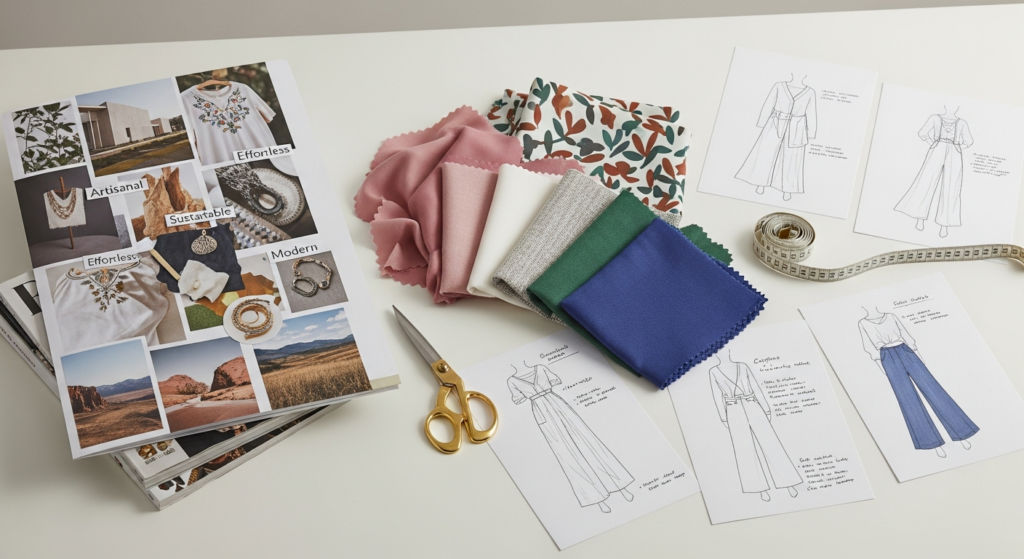
Your brand isn’t just about clothes; it’s about a story, an emotion, an experience. Develop a compelling brand story that communicates your values, inspiration, and mission. This narrative will build connection and loyalty. Alongside your story, define your brand’s aesthetic. This includes everything from your logo and color palette to your photography style and website design. Think about how you want your brand to feel. Is it minimalist and sophisticated, vibrant and playful, or earthy and bohemian? This is where your personal taste and vision meet your target audience’s desires. Just as women learn How to Find Your Personal Style by understanding their own preferences and body shape, your brand needs to define its own unique sartorial signature.
Essential Resources & Tools for Vision & Niche:
- Business Plan Software: Tools like LivePlan or Bplans can guide you through structuring your initial ideas, market analysis, and strategic planning.
- Market Research Platforms: Utilize tools like Statista, WGSN (for trend forecasting), or even simple Google Trends to identify emerging interests and consumer behaviors.
- Competitive Analysis Tools: SEMrush or Ahrefs can help analyze competitor websites and marketing strategies, giving you insights into the landscape.
- Branding Agencies/Freelancers: For logo design, brand guidelines, and visual identity, consider platforms like 99designs, Fiverr, or Upwork to connect with design professionals.
- Mood Boards: Pinterest, Milanote, or physical cork boards are invaluable for visual brainstorming and solidifying your aesthetic.
- Online Surveys: Tools like SurveyMonkey or Google Forms can help gather direct feedback from your potential target audience to validate your ideas.
Design & Production: Bringing Your Vision to Life Ethically
Once your brand’s foundation is solid, it’s time to translate your creative vision into tangible products. This stage involves design, sourcing, manufacturing, and ensuring quality, all while keeping ethical and sustainable practices at the forefront, especially as consumers in 2026 will increasingly prioritize these values.
Design Tools and Techniques
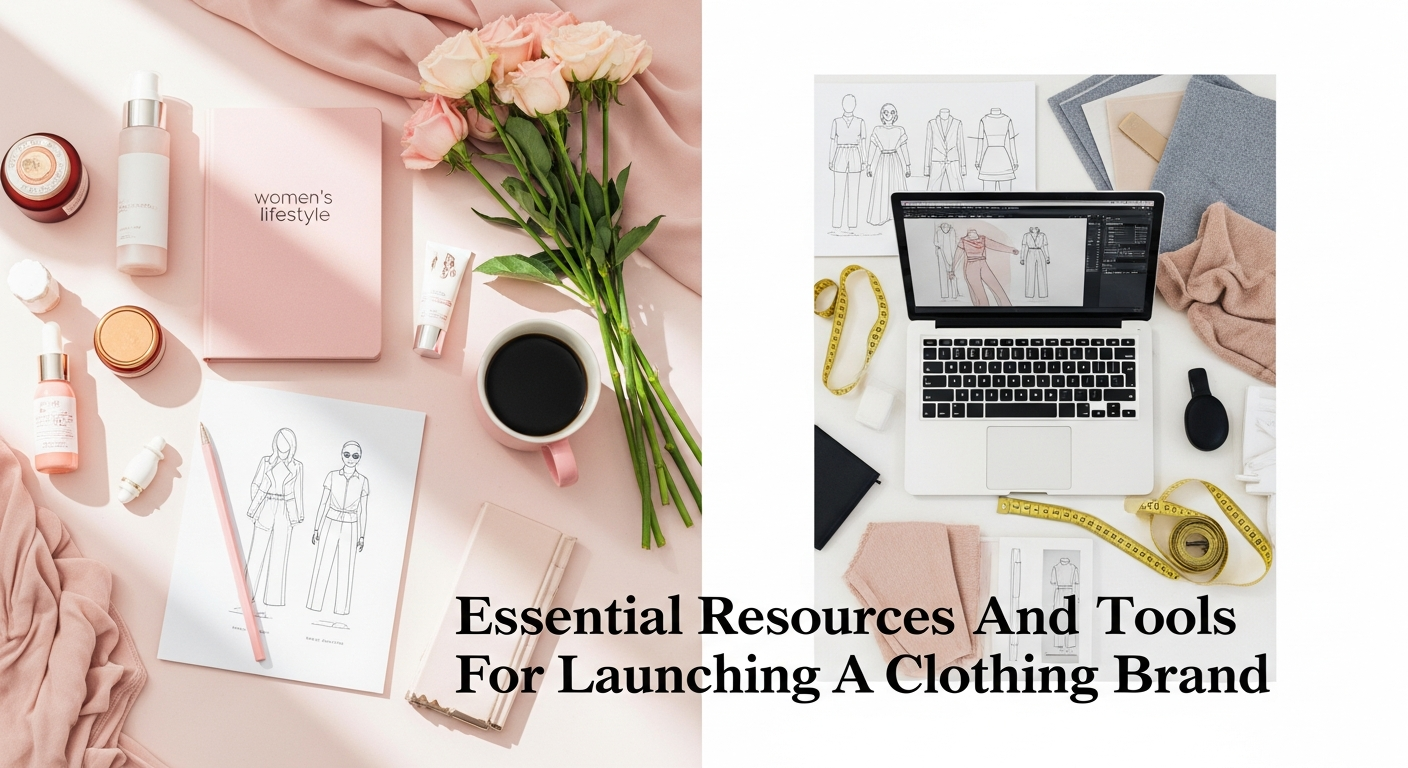
The journey from concept to design involves various tools. For initial sketches, traditional pen and paper remain powerful. For more advanced design, Computer-Aided Design (CAD) software like Adobe Illustrator or CLO 3D allows you to create detailed flat sketches, technical drawings, and even 3D garment simulations. These tools are invaluable for visualizing designs, creating tech packs (detailed instruction manuals for manufacturers), and communicating specifications precisely. Exploring different design techniques, understanding fabric drape, and experimenting with silhouettes will be key to developing garments that embody your brand’s unique appeal.
Sourcing Materials: Prioritizing Sustainability
Sourcing is where your commitment to sustainability can truly shine. In 2026, consumers are more aware than ever of fashion’s environmental impact. Look for suppliers who offer eco-friendly fabrics like organic cotton, linen, hemp, recycled polyesters, or innovative materials derived from natural waste. Research certifications like GOTS (Global Organic Textile Standard) or OEKO-TEX to ensure materials meet strict environmental and social criteria. Beyond fabric, consider sustainable notions like recycled buttons, biodegradable zippers, and eco-conscious dyes. Building relationships with suppliers who share your values is paramount for long-term ethical production.
Manufacturing Partners: Ethical Production at Scale
Choosing the right manufacturing partner is one of the most critical decisions. You’ll need to decide between small-batch local production, which offers greater control and often supports local economies, or overseas manufacturing, which can offer economies of scale but requires thorough due diligence to ensure ethical labor practices. Platforms like Makers Row or Sqetch can help connect you with factories. When evaluating manufacturers, inquire about minimum order quantities (MOQs), lead times, pricing, and their commitment to fair wages, safe working conditions, and environmental responsibility. Visiting factories if possible, or having a trusted representative do so, can provide invaluable insight. Prioritizing manufacturers who align with the principles of What Is Slow Fashion – focusing on quality over quantity, ethical production, and minimizing waste – will resonate deeply with the conscious consumer base of 2026.
Prototyping, Sampling, and Quality Control
Before mass production, you’ll create prototypes and samples. The first sample (often called a “proto sample”) is made to test the design, fit, and construction. You’ll likely go through several rounds of samples (fit samples, salesman samples, pre-production samples) to refine the garment, make adjustments, and ensure it perfectly matches your vision and desired quality standards. Establish a rigorous quality control process from the outset. This includes checking fabric quality upon arrival at the factory, monitoring production lines, and conducting final inspections of finished garments. Consistent quality is essential for building brand reputation and customer trust.
Essential Resources & Tools for Design & Production:
- CAD Software: Adobe Illustrator, CLO 3D, Optitex (for pattern making and 3D visualization).
- Fabric Sourcing Platforms: SwatchOn, Material Exchange, Queen of Raw (for sustainable/deadstock fabrics), Texworld (trade show).
- Manufacturer Directories: Makers Row, Sqetch, FashioNation, or local manufacturing associations.
- Pattern Making & Grading Services: Often offered by manufacturers, or freelance pattern makers found on Upwork/Fiverr.
- PLM (Product Lifecycle Management) Software: Tools like Centric PLM or Techpacker help manage design, development, sourcing, and production processes.
- Certification Bodies: GOTS, OEKO-TEX, Fair Trade for verifying ethical and sustainable practices of suppliers.
Business & Legal Essentials: Structuring Your Brand for Success
While the creative aspects are exciting, the business and legal framework provides the necessary structure for your brand to grow and thrive. Neglecting these elements can lead to significant challenges down the line. Setting up correctly from the start ensures compliance, protects your assets, and positions your brand for long-term success in 2026 and beyond.
Business Plan Development
A comprehensive business plan is your brand’s roadmap. It outlines your goals, strategies for achieving them, and potential obstacles. Key components include an executive summary, company description, market analysis (which you’ve already started!), organization and management structure, service or product line, marketing and sales strategies, and most importantly, financial projections. This includes start-up costs, operating expenses, revenue forecasts, and break-even analysis. A well-crafted business plan is also crucial if you seek external funding.
Legal Registration and Structure
Decide on your business legal structure: Sole Proprietorship, Partnership, LLC (Limited Liability Company), or Corporation. An LLC is a popular choice for small businesses as it provides personal liability protection while offering flexibility. Register your business with the appropriate state and local authorities. Obtain necessary permits and licenses for operating a retail or e-commerce business. Consult with a legal professional to ensure you’re compliant with all regulations.
Trademarks and Intellectual Property
Your brand name, logo, and unique designs are valuable assets. Protect them! Conduct a thorough trademark search to ensure your brand name and logo are not already in use. Then, apply for trademark registration with the USPTO (United States Patent and Trademark Office) or your country’s equivalent. Consider copyrighting original prints or design elements. These protections prevent others from using your brand identity or designs, safeguarding your creative work and brand equity.
Compliance: Labeling and Safety Standards
Clothing brands must adhere to specific labeling requirements. This includes fiber content, country of origin, care instructions, and the manufacturer’s identification (RN or WPL number in the US). For children’s clothing, there are additional safety standards (e.g., flammability, drawstrings). Research and understand these regulations for all markets you plan to sell in. Compliance is not just a legal necessity but also builds consumer trust and avoids costly penalties.
Funding Options: Fueling Your Vision
Every business needs capital. Explore various funding options:
- Bootstrapping: Self-funding your business, often starting small and reinvesting profits.
- Personal Loans/Savings: Using your own financial resources.
- Small Business Loans: Traditional bank loans or SBA-backed loans.
- Grants: Research grants specifically for women entrepreneurs or sustainable businesses.
- Crowdfunding: Platforms like Kickstarter or Indiegogo allow you to raise capital by pre-selling products or attracting small investments from a large number of people. This also serves as a powerful marketing tool.
- Angel Investors/Venture Capital: For brands with significant growth potential, though often harder to secure for early-stage fashion brands.
Create a detailed financial forecast to understand how much capital you need and how you plan to use it effectively.
Essential Resources & Tools for Business & Legal:
- Legal Counsel: A specialized business attorney to advise on structure, contracts, and IP protection.
- Accountant/Bookkeeper: Crucial for financial planning, tax compliance, and managing cash flow.
- Business Plan Templates: SCORE, Small Business Administration (SBA), or LivePlan.
- Trademark Search & Registration: USPTO website, or specialized IP law firms.
- E-commerce Legal Templates: For website terms & conditions, privacy policy (e.g., Termly, LegalZoom).
- Funding Platforms: Kickstarter, Indiegogo (crowdfunding); Kiva, Fundera (small business loans); local Chamber of Commerce (grants, resources).
Marketing & Sales Strategies: Reaching Your Audience in a Digital World
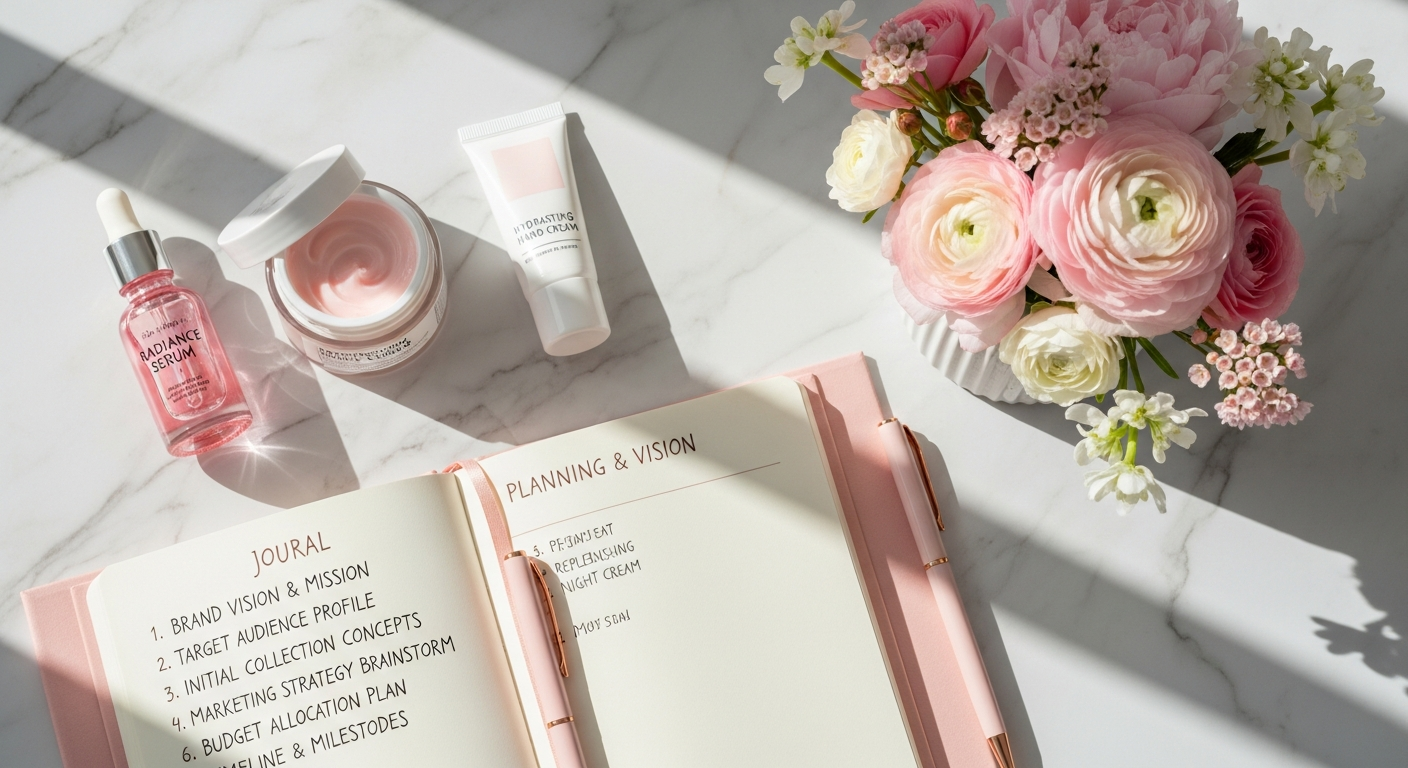
With your brand defined and products ready, the next step is connecting with your ideal customer. In 2026, a robust digital marketing strategy is non-negotiable, but combining it with authentic storytelling and community building will truly set your brand apart.
Building an Online Presence: E-commerce Platform Selection
Your e-commerce website is your brand’s digital storefront. Choose a platform that aligns with your technical comfort level, budget, and desired features.
- Shopify: User-friendly, scalable, vast app ecosystem, excellent for fashion brands of all sizes.
- WooCommerce: A flexible WordPress plugin, ideal if you already have a WordPress site and want more customization control.
- Squarespace/Wix: Great for beautiful, design-focused sites, often simpler to set up for smaller collections.
- Etsy: A good starting point for handmade or vintage items, but less brand control.
Ensure your website is mobile-responsive, visually appealing, easy to navigate, and offers a seamless checkout experience. High-quality product photography is paramount here!
Content Marketing and Social Media Strategy
Content is king (or queen!). Develop a content strategy that educates, entertains, and inspires your audience. This could include a blog featuring articles on sustainable fashion, styling tips, or behind-the-scenes glimpses of your production process. Social media platforms are powerful for brand building and engagement. Identify where your target audience spends their time (Instagram, TikTok, Pinterest, Facebook) and tailor your content to each platform. Use captivating visuals, Reels, Stories, and engage directly with your followers. Showcasing how your pieces integrate with Best Fashion Trends for Women, or how they can be styled to reflect unique personal styles, can drive significant engagement.
Email Marketing: Building Direct Relationships
Email marketing remains one of the most effective ways to nurture leads and drive sales. Build your email list by offering incentives (e.g., a discount on first purchase, exclusive content) on your website. Send regular newsletters featuring new arrivals, promotions, styling guides, and brand updates. Personalize your emails to make them more impactful. Platforms like Mailchimp, Klaviyo, or ConvertKit offer robust tools for managing campaigns, segmenting your audience, and analyzing performance.
Influencer Collaborations and PR Outreach
Partnering with micro-influencers or content creators whose aesthetics align with your brand can introduce your products to a wider, relevant audience. Focus on authentic collaborations rather than just paid sponsorships. For PR, identify fashion editors, bloggers, and stylists who cover brands like yours. Craft compelling press releases and lookbooks to pitch your story and products. Getting featured in a reputable publication can significantly boost brand awareness and credibility.
Pop-ups and Experiential Marketing
While digital is key, don’t underestimate the power of in-person experiences. Pop-up shops allow customers to touch, feel, and try on your garments, fostering a deeper connection. Participating in local markets, fashion events, or collaborating with other complementary businesses can also create memorable brand experiences and drive sales. These physical touchpoints are excellent for gathering direct customer feedback and building community.
Essential Resources & Tools for Marketing & Sales:
- E-commerce Platforms: Shopify, WooCommerce, Squarespace, BigCommerce.
- Email Marketing Platforms: Mailchimp, Klaviyo, ConvertKit, Drip.
- Social Media Management Tools: Later, Planoly, Sprout Social (for scheduling and analytics).
- Graphic Design Tools: Canva (for quick, professional graphics), Adobe Photoshop/Illustrator (for advanced design).
- Product Photography: High-quality camera equipment, lighting kits, or professional photographers.
- SEO Tools: Google Analytics, Google Search Console, SEMrush, Ahrefs (for optimizing website visibility).
- Influencer Marketing Platforms: AspireIQ, Upfluence, or manual outreach via Instagram/TikTok.
- CRM (Customer Relationship Management) Software: Helps manage customer interactions and data, enhancing personalization.
Operational Excellence: Managing Your Brand Day-to-Day
Once your brand is launched, the real work of managing operations begins. Efficient day-to-day management is crucial for customer satisfaction, sustained growth, and maintaining your sanity. As your brand grows towards 2026, streamlined operations will be your secret weapon.
Inventory Management Systems
Keeping track of your stock is paramount. An effective inventory management system helps you monitor current stock levels, track sales, forecast demand, and prevent both overstocking and stockouts. Many e-commerce platforms like Shopify have built-in inventory features. For more complex needs or multiple sales channels, consider dedicated inventory management software like Stitch Labs, Unleashed, or Cin7. Accurate inventory prevents customer disappointment and optimizes cash flow.
Order Fulfillment and Logistics
Getting your products from your warehouse (or home office) to your customer’s doorstep efficiently and affordably is key.
- Self-Fulfillment: You package and ship orders yourself. This offers maximum control but can be time-consuming as you scale.
- Dropshipping: A third party manufactures and ships directly to the customer. While it reduces inventory risk, it offers less quality control and branding opportunities. (Less common for unique fashion brands, but an option for curated items).
- Third-Party Logistics (3PL): You store your inventory with a 3PL provider who handles warehousing, picking, packing, and shipping. This is a scalable solution that frees up your time. Companies like ShipBob, Red Stag Fulfillment, or even Amazon FBA can be options.
Research shipping carriers (USPS, UPS, FedEx, DHL) and negotiate rates. Invest in sustainable packaging materials to align with your brand’s ethical values.
Customer Service Best Practices
Exceptional customer service builds loyalty and generates positive word-of-mouth. Be responsive, empathetic, and proactive.
- Multiple Contact Channels: Offer email, live chat, and a phone number.
- Clear Policies: Have transparent return, exchange, and shipping policies readily available on your website.
- Personalization: Address customers by name, remember past interactions, and offer personalized recommendations.
- Feedback Loop: Actively solicit customer feedback and use it to improve products and services.
Tools like Zendesk, Freshdesk, or Gorgias can help manage customer inquiries efficiently.
Returns and Exchanges Policies
Returns are an inevitable part of e-commerce, especially in fashion where fit can be tricky. A clear, customer-friendly returns and exchanges policy can turn a potentially negative experience into a positive one. Make the process as simple as possible for the customer. Consider offering free returns or exchanges, or providing store credit. Analyze return reasons to identify patterns that might indicate issues with sizing, product descriptions, or quality.
Team Building and Delegation
As your brand grows, you won’t be able to do everything yourself. Identify tasks you can delegate or outsource. This might include social media management, customer service, accounting, or even parts of the design process. Hire freelancers or employees who align with your brand’s vision and values. Building a strong, supportive team will be essential for scaling your business and preventing burnout.
Essential Resources & Tools for Operations:
- Inventory Management Software: Shopify Inventory, Stitch Labs, Unleashed, Cin7.
- Shipping & Fulfillment Services: ShipStation, Shippo (for managing multiple carriers); ShipBob, Red Stag Fulfillment (3PL).
- Customer Service Software: Zendesk, Freshdesk, Gorgias, Intercom.
- Accounting Software: QuickBooks, Xero, FreshBooks (for managing finances and invoicing).
- Project Management Tools: Asana, Trello, ClickUp (for organizing tasks and team collaboration).
- HR/Payroll Software: Gusto, ADP, Paychex (if you hire employees).
Embracing Sustainability and Ethical Practices: A Core Brand Pillar for 2026
In today’s fashion landscape, sustainability and ethical practices are no longer niche considerations; they are increasingly expected. For a brand launching in 2026, integrating these values into every aspect of your business isn’t just good for the planet and people, it’s a powerful differentiator that resonates with conscious consumers. This is where the concept of What Is Slow Fashion truly comes into its own as a guiding philosophy.
What Is Slow Fashion? Beyond a Trend, It’s a Movement
Slow Fashion is a movement advocating for intentional, conscious consumption and production. It’s the antithesis of fast fashion, which relies on rapid production cycles, cheap materials, and disposable clothing. Slow fashion encourages:
- Durability and Quality: Creating well-made garments designed to last, reducing the need for constant replacement.
- Ethical Production: Ensuring fair wages, safe working conditions, and respect for all individuals in the supply chain.
- Reduced Environmental Impact: Minimizing waste, conserving resources, and avoiding harmful chemicals throughout the entire lifecycle of a garment.
- Transparency: Openly sharing information about sourcing, manufacturing processes, and labor practices.
- Timeless Design: Emphasizing classic, versatile styles over fleeting trends, encouraging consumers to buy less but better.
By embracing these principles, your brand contributes to a healthier industry and a more sustainable future.
Circular Economy Principles
Beyond simply reducing harm, consider how your brand can contribute to a circular economy. This means designing products that can be reused, repaired, recycled, or biodegraded, rather than ending up in a landfill. Explore initiatives like:
- Take-back Programs: Allowing customers to return old garments for recycling or upcycling.
- Repair Services: Extending the life of your products.
- Upcycling/Recycling Partnerships: Collaborating with organizations that transform textile waste into new products.
- Design for Longevity: Using durable materials and construction techniques.
Transparency in the Supply Chain
Consumers in 2026 demand transparency. Be open about where your materials come from, who makes your clothes, and under what conditions. Share stories of your suppliers and manufacturers. Use your website and social media to educate your audience about your ethical practices. Transparency builds trust and authenticity, which are invaluable assets for a modern brand.
Eco-friendly Packaging
Your commitment to sustainability shouldn’t stop at the garment. Choose packaging materials that are recyclable, compostable, or made from recycled content. Minimize unnecessary packaging. Even small details, like using paper tape instead of plastic, contribute to your overall sustainability story. This demonstrates a holistic approach to environmental responsibility.
Social Impact Initiatives
Consider how your brand can give back or support social causes. This could involve donating a percentage of profits to a relevant charity, partnering with artisan communities, or implementing fair trade practices. Aligning with social impact initiatives not only makes a positive difference but also strengthens your brand’s values and appeals to purpose-driven consumers.
Essential Resources & Tools for Sustainability:
- Sustainable Fabric Suppliers: Refer to sites like Common Objective, The Sustainable Fashion Directory, or Queen of Raw.
- Certification Bodies: GOTS (Global Organic Textile Standard), OEKO-TEX, Fair Trade, B Corp (for overall social and environmental performance).
- Sustainable Packaging Suppliers: Noissue, EcoEnclose, Hero Packaging.
- Industry Organizations: Fashion Revolution, Textile Exchange (for resources and best practices).
- Consultants: Sustainability consultants specializing in fashion can help audit your supply chain and develop eco-strategies.
Staying Ahead: Adaptability and Growth in a Dynamic Industry
The fashion industry is notoriously dynamic. Trends shift, technology advances, and consumer expectations evolve. To ensure your brand’s longevity and success beyond its 2026 launch, you must cultivate a mindset of continuous learning, adaptability, and strategic growth.
Continuous Learning and Industry Awareness
Never stop learning. Stay updated on industry news, emerging technologies (like AI in design or virtual try-ons), and evolving consumer behaviors. Subscribe to fashion business newsletters, attend virtual and in-person industry events, and network with other entrepreneurs. Understand how global events might impact supply chains or consumer spending. Being proactive in your learning allows you to anticipate changes and adapt your strategies accordingly.
Leveraging Analytics and Feedback
Data is your friend. Regularly analyze your website traffic, sales data, social media engagement, and email campaign performance. Tools like Google Analytics and your e-commerce platform’s dashboards provide invaluable insights into what’s working and what isn’t. Pay close attention to customer feedback, reviews, and direct inquiries. This qualitative and quantitative data will inform your product development, marketing adjustments, and overall business strategy. For example, if you notice certain colors or silhouettes from the Best Fashion Trends for Women are consistently outselling others, it provides valuable guidance for future collections.
Scaling Your Business Strategically
Growth is exciting, but it must be managed strategically. Avoid scaling too quickly without the necessary infrastructure or capital. As you grow, reassess your operational processes, consider expanding your team, and explore new sales channels (e.g., wholesale, international markets). Diversify your product offerings carefully, ensuring new lines align with your core brand identity and values. Scaling also means refining your approach to What Is Slow Fashion – ensuring that as you produce more, you maintain your commitment to quality and ethical practices.
Community Building and Brand Advocacy
Beyond transactions, aim to build a loyal community around your brand. Engage with your customers, celebrate their stories, and create a sense of belonging. Encourage user-generated content and leverage customer testimonials. Loyal customers become brand advocates, spreading positive word-of-mouth and contributing to organic growth. Hosting online forums, exclusive events, or loyalty programs can foster this strong community connection.
Launching a clothing brand in 2026 is an ambitious yet incredibly rewarding endeavor. It demands creativity, business acumen, and a deep commitment to your vision. By diligently laying the groundwork, embracing ethical production, leveraging powerful marketing tools, and maintaining a focus on operational excellence and continuous improvement, you can build a brand that not only sells beautiful clothes but also stands for something meaningful. Remember, every major fashion empire started with a dream and a well-executed plan. Your journey begins now – take these resources, embrace the challenge, and confidently step into the world of fashion entrepreneurship. We at Sometimes Daily believe in your power to create, inspire, and make a beautiful impact.
Frequently Asked Questions
Recommended Resources
Check out How To Take Care Of Natural Hair on Veralyn Media for a deeper dive.
Related reading: How To Meal Prep For The Week As A Busy Woman (The Contextual Life).