

Understanding the Dynamics: Why People Are “Difficult”
Before diving into specific strategies, it’s crucial to understand that labeling someone as “difficult” often reflects our perception of their behavior, rather than an inherent flaw in their character. Rarely do people set out to be intentionally challenging; more often, their actions stem from a variety of underlying factors. Empathy and a desire to understand can be powerful first steps in disarming a tense situation.
Common Types of Challenging Colleagues
- The Complainer/Victim: These individuals often see themselves as targets of unfair treatment or circumstances. They may drain your energy with constant negativity, rarely offering solutions.
- The Micromanager: Driven by a need for control, often stemming from anxiety or insecurity, they hover over tasks, questioning every decision and stifling autonomy.
- The Passive-Aggressive: They express negative feelings indirectly, through procrastination, sarcasm, subtle sabotage, or backhanded compliments, making direct confrontation difficult.
- The Credit-Taker: These colleagues are quick to claim victory for shared efforts, often at the expense of others, undermining team spirit and individual recognition.
- The Blocker/Resister: They resist new ideas, changes, or initiatives, often without clear reasons, hindering progress and creating bottlenecks.
- The Gossip/Drama Starter: They thrive on spreading rumors and creating interpersonal drama, disrupting focus and trust within the team.
Unpacking the Root Causes of Difficult Behavior
Understanding the potential reasons behind someone’s behavior can shift your perspective from frustration to a more objective, strategic approach:
- Stress and Pressure: High demands, tight deadlines, or personal stressors outside of work can make anyone irritable, anxious, or prone to lashing out.
- Insecurity or Fear: A lack of confidence, fear of failure, or concerns about job security can manifest as micromanagement, defensiveness, or credit-taking.
- Poor Communication Skills: Some individuals simply lack the emotional intelligence or vocabulary to express their needs, frustrations, or ideas constructively.
- Personality Clashes: Sometimes, it’s simply a difference in working styles, communication preferences, or core values that creates friction.
- Burnout: Exhaustion can make individuals less patient, more reactive, and prone to negativity.
- Organizational Culture: A toxic work environment or unclear expectations can exacerbate negative behaviors.
By recognizing these potential drivers, you can depersonalize the situation. It’s not about you; it’s often about their internal struggles or external pressures. This understanding is the foundation for a more effective and less emotionally draining approach to how to deal with difficult people at work.
Your Inner Armor: Prioritizing Self-Care and Emotional Resilience

Before you even begin to interact with a challenging colleague, the most critical step is to fortify your own emotional and mental well-being. Dealing with difficult people is inherently draining, and without a strong foundation of self-care, you risk burnout, increased stress, and a compromised ability to respond effectively. This isn’t just about managing the situation; it’s about protecting yourself.
Cultivating a Robust Self-Care Routine
A proactive approach to self-care is your best defense. Think of it as building your emotional and mental ‘immune system.’ If you’re wondering How To Create Self Care Routine that truly supports you, start by identifying activities that genuinely replenish your energy and soothe your spirit. This isn’t a luxury; it’s a necessity, especially when facing workplace challenges.
- Mindful Mornings: Begin your day with intention. This could be 10-15 minutes of meditation, journaling, gentle stretching, or simply enjoying a cup of tea in silence before the day’s demands begin.
- Movement as Medicine: Regular physical activity is a powerful stress reducer. Whether it’s a brisk walk, yoga, dancing, or hitting the gym, find what resonates with you and commit to it consistently.
- Digital Detox Moments: Step away from screens during breaks. Read a book, listen to music, or simply gaze out a window. Give your mind a chance to wander and reset.
- Nourishment and Hydration: Fueling your body with nutritious food and adequate water intake directly impacts your mood and cognitive function. Avoid excessive caffeine and sugar, which can exacerbate anxiety.
- Quality Sleep: Prioritize 7-9 hours of restful sleep. A tired mind is more susceptible to negativity and less capable of effective problem-solving.
- Connect with Your Passions: Dedicate time outside of work to hobbies and interests that bring you joy and a sense of accomplishment, whether it’s painting, gardening, learning a new language, or spending time in nature.
Consistency is key. Integrate these practices into your daily and weekly schedule, making them non-negotiable appointments with yourself.
Coping with Anxiety at Work
Difficult interactions can trigger significant workplace anxiety. If you find yourself struggling with How To Cope With Anxiety At Work, especially when anticipating or processing challenging encounters, these strategies can provide immediate relief and long-term resilience:
- Deep Breathing Exercises: When you feel tension rising, take a few slow, deep breaths. Inhale deeply through your nose for a count of four, hold for seven, and exhale slowly through your mouth for eight. This activates your parasympathetic nervous system, calming your fight-or-flight response.
- Mindfulness and Grounding: Practice bringing yourself back to the present moment. Notice five things you can see, four things you can touch, three things you can hear, two things you can smell, and one thing you can taste. This technique can interrupt anxious thought patterns.
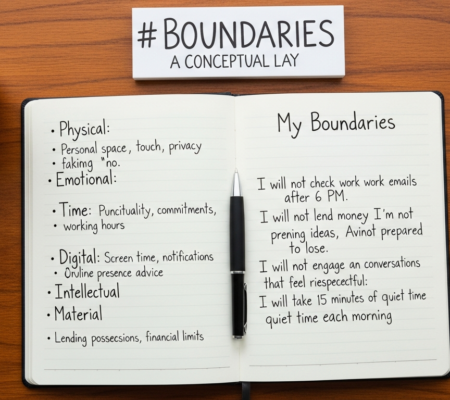
- Set Firm Boundaries: Emotional and physical boundaries are crucial. Limit your exposure to difficult individuals when possible. Don’t engage in gossip or prolonged negative conversations. Learn to say “no” politely but firmly to requests that overextend you or compromise your well-being.
- Process and Release: Don’t let negative interactions fester. Talk to a trusted friend, partner, or therapist. Journaling can also be an excellent way to process emotions and gain perspective.
- Positive Affirmations: Counter negative self-talk with positive affirmations. Remind yourself of your strengths, your professionalism, and your ability to handle challenges.
Remember, your well-being is paramount. By investing in your self-care and developing robust coping mechanisms for anxiety, you build the inner strength needed to navigate any workplace challenge with grace and effectiveness.
Strategic Communication: Mastering the Art of Engagement
Active Listening and Clarification
Often, “difficult” behavior stems from a feeling of not being heard or understood. By practicing active listening, you can sometimes diffuse situations before they escalate.
- Give Your Full Attention: Put away distractions. Make eye contact (if culturally appropriate).
- Listen to Understand, Not to Reply: Focus on the other person’s message, both verbal and non-verbal. Try to discern their underlying concerns or needs.
- Paraphrase and Summarize: Reflect back what you’ve heard in your own words. “So, if I understand correctly, you’re concerned about the deadline for Project X because of Y and Z?” This demonstrates you’ve listened and gives them a chance to correct any misunderstandings.
- Ask Open-Ended Questions: Encourage them to elaborate. “Could you tell me more about why that approach isn’t working for you?” or “What are your specific concerns about this change?”
Assertiveness, Not Aggression
Being assertive means standing up for your rights, needs, and opinions in a way that respects others. It’s a balance between passivity (allowing others to infringe on you) and aggression (infringing on others).
- Use “I” Statements: Frame your concerns around your feelings and observations, rather than accusatory “you” statements. Instead of “You always interrupt me,” try “I feel frustrated when I can’t finish my thought.”
- Be Clear and Direct: State your request or boundary unambiguously. “I need to focus on this task for the next hour, so I won’t be available for interruptions,” or “I’m not comfortable discussing colleagues’ personal lives at work.”
- Maintain Calm and Professional Demeanor: Even if the other person is agitated, strive to keep your voice even, your posture open, and your expression neutral.
- Stick to the Facts: Avoid emotional language or bringing up past grievances. Focus on the current behavior and its impact.
Setting and Reinforcing Professional Boundaries
Boundaries are essential for protecting your time, energy, and mental health. They communicate what is and isn’t acceptable in your interactions.
- Define Your Limits: What behaviors are you willing to tolerate? What are your non-negotiables? Be clear with yourself first.
- Communicate Your Boundaries Clearly: “I can help you with that report, but I need it by 3 PM to fit into my schedule,” or “My working hours are X to Y, and I won’t be checking emails outside of those times.”
- Be Consistent: Boundaries are only effective if you consistently enforce them. If you make an exception once, you open the door for it to happen again.
- Don’t Justify or Over-Explain: While it’s helpful to be polite, you don’t owe anyone a lengthy explanation for your boundaries. A simple, firm statement is often sufficient.
Documenting Interactions
In situations with persistently difficult individuals, especially if their behavior impacts your work or creates a hostile environment, documenting interactions can be crucial. This isn’t about being vindictive; it’s about having a factual record should you need to escalate the issue.
- Keep a Log: Note the date, time, location, who was involved, what was said or done, and the impact of the incident.
- Save Relevant Communications: Keep copies of emails, messages, or other written communications.
- Be Factual: Avoid emotional language in your documentation. Stick to objective observations.
By employing these strategic communication techniques, you can navigate challenging interactions with greater confidence and effectiveness, minimizing their negative impact on you and your work environment. This proactive approach is a cornerstone of successfully learning how to deal with difficult people at work.
Navigating Specific Scenarios: Practical Approaches

While general communication strategies are vital, sometimes you need tailored tactics for specific types of difficult behaviors. Here, we’ll explore practical approaches for some common scenarios, keeping in mind that flexibility and adaptation are key when learning how to deal with difficult people at work.
Dealing with the Chronic Complainer/Victim
This individual often seeks an audience for their woes, but rarely solutions. Your goal is to avoid getting pulled into their negativity.
- Listen Briefly, Then Redirect: Acknowledge their complaint with a simple, “That sounds frustrating,” but then quickly pivot. “What steps have you considered to address this?” or “Perhaps we should focus on X task now.”
- Offer Solutions, Not Sympathy (Unless Requested): If they genuinely want help, offer it. Otherwise, avoid commiserating, which can reinforce their victim mentality. “Have you tried talking to your manager about that?”
- Set Time Limits: “I only have a few minutes before my next meeting, but I can listen to one specific concern if you have it.”
- Distance Yourself: Physically move away if possible, or politely excuse yourself from the conversation. “I need to get back to my work now.”
Responding to Passive Aggression
Passive aggression is tricky because it’s indirect. Your goal is to bring the hidden message to the surface in a non-confrontational way.
- Address the Behavior, Not the Accusation: If they say, “Oh, I guess some people just take longer to finish their tasks,” instead of getting defensive, focus on the behavior. “It sounds like you have a concern about project timelines. Can we discuss that directly?”
- Ask Clarifying Questions: “When you say X, what exactly do you mean by that?” or “Could you explain what you’re implying?” This forces them to be explicit.
- State Your Observation and Impact: “I noticed you didn’t include my contribution in the report, and I’m concerned about how that affects my visibility on the project.”
- Don’t Mirror the Behavior: Avoid becoming passive-aggressive yourself. Maintain your direct, professional communication.
Handling the Micromanager
Micromanagers often stem from a place of anxiety or a perceived lack of control. Your strategy should focus on building trust and demonstrating competence.
- Proactive Updates: Provide regular, unsolicited updates on your progress. This can reduce their need to constantly check in. “Just wanted to let you know I’m on track with X and expect to finish by Y.”
- Clarify Expectations Upfront: Before starting a task, ask about their preferred communication frequency and reporting structure. “What level of detail would you like in my updates, and how often would you like them?”
- Demonstrate Your Process: Briefly explain your approach to a task, showing them you have a plan. “My plan is to tackle A, then B, and I anticipate needing C resource.”
- Set Gentle Boundaries: “I appreciate your input, but I find I work best when I have the space to manage the details myself, and I’ll come to you if I hit a roadblock.”
- Ask for Delegation, Not Just Tasks: Frame your requests to take ownership. “Could you delegate the full responsibility for X to me? I’m confident I can handle it.”
Addressing the Credit-Taker
This behavior can be incredibly frustrating and professionally damaging. Your response needs to be swift and factual.
- Speak Up Immediately (and Politely): “Thank you for highlighting that point, [Credit-Taker’s Name]. I’d also like to add that my contribution on X was essential in achieving that outcome.”
- Provide Evidence: “As you’ll recall from our meeting on [Date], I was responsible for developing the Y component, which directly led to Z.”
- Follow Up in Writing: If it happens in a meeting, send a follow-up email that subtly reiterates your contribution, CC’ing relevant parties. “Just summarizing the key takeaways from today’s discussion. I’m excited about the progress on X, and I’m particularly proud of how my work on Y contributed to Z.”
- Document Your Contributions: Keep a running record of your achievements and contributions to projects. This is useful for performance reviews and for having facts at hand.
- Seek Allyship: If appropriate, discuss the issue with a trusted colleague who can also back you up in meetings.
Knowing When to Disengage
Not every battle is worth fighting. Sometimes, the most effective strategy is to limit your exposure and emotional investment.
- Reduce Contact: If possible, minimize non-essential interactions with the difficult person.
- Practice Emotional Detachment: Remind yourself that their behavior isn’t about you. Don’t take their negativity personally.
- Shift Focus: When they start their difficult behavior, mentally shift your focus to your tasks or positive aspects of your work.
- Walk Away: If a conversation becomes unproductive or abusive, politely excuse yourself. “I need to get back to my desk,” or “I don’t think this conversation is being productive right now.”
By applying these specific strategies, you can more effectively navigate the challenging personalities you encounter, maintaining your professionalism and protecting your peace as you learn how to deal with difficult people at work.
Elevating Your Professionalism: When to Escalate and Seek Support
While many challenging situations can be managed through personal strategies and improved communication, there are times when a difficult person’s behavior crosses a line, impacting your work, your team’s productivity, or even your psychological safety. Knowing when and how to escalate an issue is a critical part of professional resilience and a key aspect of mastering how to deal with difficult people at work.
Understanding Your Organization’s Policies
Before considering escalation, familiarize yourself with your company’s policies regarding workplace conduct, conflict resolution, harassment, and discrimination. Most organizations have clear guidelines and reporting procedures. Understanding these will help you navigate the process effectively and ensure you follow the correct protocol.
- Code of Conduct: What behaviors are explicitly prohibited?
- Grievance Procedures: What is the formal process for reporting issues?
- HR Contact: Who is your designated HR representative or department?
- Open Door Policy: Does your company encourage direct communication with managers or senior leadership?
When to Involve Your Manager or HR
Escalation is not about complaining; it’s about seeking assistance to resolve a persistent problem that you cannot manage on your own and that is negatively impacting the work environment or your ability to perform your job. Consider involving your manager or HR when:
- Your attempts to resolve the issue directly have failed: You’ve tried communication strategies, boundary setting, and disengagement, but the behavior persists or worsens.
- The behavior is affecting your performance or well-being: You’re experiencing significant stress, anxiety (tying back to How To Cope With Anxiety At Work), reduced productivity, or dread coming to work.
- The behavior violates company policy: This includes harassment, discrimination, bullying, or creating a hostile work environment.
- The behavior impacts team morale or productivity: The difficult person’s actions are creating a ripple effect that hinders others.
- You feel unsafe: Any threat, intimidation, or aggressive behavior warrants immediate escalation.
Preparing for the Conversation
When you decide to escalate, approach the conversation with facts and a clear objective. This is where your documentation (as discussed in the communication section) becomes invaluable.
- Schedule a Meeting: Request a private meeting with your manager or HR. State briefly that you need to discuss a workplace concern.
- State the Facts Objectively: Present your documented incidents (dates, times, specific behaviors, impact). Avoid emotional language, opinions, or hearsay.
- Focus on the Impact: Explain how the behavior affects your work, productivity, morale, or the team. “The constant interruptions are preventing me from meeting my deadlines,” or “The public criticism is creating a hostile environment that makes it difficult to collaborate.”
- Propose Solutions (if appropriate): While it’s their job to find a solution, you can offer suggestions if you have them. “Perhaps a mediation session would be helpful,” or “I would appreciate clear guidelines on communication protocols.”
- Understand the Process: Ask what the next steps will be and what you can expect.
Seeking External Support and Perspective
Sometimes, the support you need extends beyond your immediate workplace.
- Mentors and Trusted Colleagues: Discussing your situation with a mentor or a trusted colleague (who is not directly involved) can provide valuable perspective and advice. They might have experienced similar situations or can offer a different viewpoint.
- Professional Therapists or Coaches: If the stress and anxiety from dealing with difficult people are significantly impacting your mental health, consider seeking support from a therapist or a professional coach specializing in workplace dynamics. They can provide coping strategies and help you develop long-term resilience.
- Employee Assistance Programs (EAP): Many companies offer EAPs, which provide confidential counseling services for employees dealing with work-related stress, personal issues, or other challenges.
Remember, seeking support or escalating an issue is not a sign of weakness; it’s a sign of strength and self-advocacy. It demonstrates your commitment to a healthy work environment and your own well-being. By knowing when and how to leverage these support systems, you can ensure that difficult people do not derail your professional journey in 2026 and beyond.
Cultivating a Positive Workplace Environment, One Interaction at a Time
While much of our focus has been on reactive strategies for how to deal with difficult people at work, it’s equally important to consider how we can proactively contribute to a positive and resilient workplace culture. You might not be able to change everyone, but you can certainly influence the atmosphere around you. Just as we advocate for conscious choices in other areas of life, like understanding What Is Slow Fashion Why It Matters for a more sustainable future, we can apply a similar mindful approach to our professional interactions.
Focus on What You Can Control
The core principle here is empowerment. You cannot control another person’s behavior, personality, or choices. You can, however, control your own reactions, your communication, and your commitment to your values. This shift in focus is incredibly liberating.
- Your Attitude: Choose to approach each day with a positive, problem-solving mindset, even amidst challenges. Your attitude is contagious.
- Your Work Ethic: Consistently deliver high-quality work. Being competent and reliable minimizes opportunities for others to criticize or micromanage you.
- Your Boundaries: Reiterate and enforce your professional boundaries to protect your time and energy.
- Your Self-Care: Prioritize your well-being, as discussed, ensuring you have the resilience to face daily challenges.
Leading by Example
You are a role model, whether you realize it or not. Your actions can inspire others and subtly shift the dynamics of a team or department.
- Practice Empathy: Try to understand others’ perspectives, even when you disagree.
- Communicate Respectfully: Engage in constructive dialogue, even in disagreement.
- Offer Support: Be a supportive colleague, offering help when appropriate and celebrating others’ successes.
- Promote Inclusivity: Ensure all voices are heard and valued.
- Be a Solution-Seeker: Instead of dwelling on problems, focus on finding viable solutions.
The Ripple Effect of Positive Behavior
Just as negativity can spread, so too can positivity. When you consistently demonstrate professionalism, kindness, and resilience, you contribute to a stronger, more supportive culture. You become an anchor of stability in potentially turbulent waters.
- Build Alliances: Foster strong, positive relationships with colleagues who share your values. These alliances can provide support, perspective, and a buffer against negativity.
- Recognize and Appreciate Others: A simple “thank you” or acknowledging a colleague’s effort can significantly boost morale and foster goodwill.
- Celebrate Small Wins: Take time to acknowledge progress and achievements, both your own and your team’s.
Mindful Choices for Sustainable Relationships
This is where the concept of What Is Slow Fashion Why It Matters can offer an insightful analogy. Slow fashion champions conscious choices, durability, ethical production, and a long-term perspective over fast, disposable trends. Similarly, in our professional lives, we can apply a “slow relationships” approach:
- Invest in Quality Interactions: Instead of quick, superficial exchanges, strive for more meaningful, respectful interactions that build trust over time.
- Prioritize Longevity: Recognize that professional relationships are an investment. Nurturing them, even when challenging, contributes to a more stable and supportive career journey.
- Ethical Professionalism: Just as slow fashion emphasizes ethical sourcing, bring an ethical approach to your professional conduct. Be honest, transparent, and fair in your dealings.
- Conscious Consumption of Information: Be mindful of what information you consume and share at work. Avoid gossip and sensationalism, choosing instead to focus on facts and constructive dialogue.
By consciously choosing to cultivate a positive approach, lead by example, and invest in sustainable professional relationships, you not only protect yourself but also become a powerful force for good in your workplace. This holistic approach ensures that in 2026 and beyond, you are not just surviving, but truly thriving, even in the face of difficult people at work.
Dealing with difficult people at work is an inevitable part of professional life, but it doesn’t have to be a source of constant stress or anxiety. By arming yourself with self-care practices, mastering strategic communication, understanding specific tactics for various challenging scenarios, and knowing when to escalate, you empower yourself to navigate these complexities with grace and confidence. Remember, your peace of mind and professional effectiveness are paramount. By focusing on what you can control – your reactions, your boundaries, and your commitment to a positive work environment – you transform challenges into opportunities for growth. Embrace these strategies, and you’ll find yourself not just coping, but truly thriving, in any professional landscape in 2026.
Frequently Asked Questions
Recommended Resources
Explore Morning Routine Ideas For Women for additional insights.
Check out What Is Skin Cycling And How To Do It on The Contextual Life for a deeper dive.