
Beyond Caffeine: 10 Natural Ways to Boost Energy and Vitality in 2026
In our fast-paced modern world, the feeling of being “wired but tired” has become an all-too-common baseline. As we navigate 2026, the collective focus on wellness has shifted away from temporary stimulants and toward sustainable, biological optimization. We are moving past the era of the third afternoon espresso and the sugary energy drink, recognizing that true vitality isn’t something you buy in a can—it’s something you cultivate through intentional daily habits. For those building a wellness routine, the goal is no longer just “getting through the day,” but thriving with a clear mind and a resilient body. This guide explores the most effective, science-backed natural ways to boost your energy levels by working with your body’s internal systems rather than against them. By implementing these foundational shifts, you can reclaim your focus, stabilize your mood, and unlock a reservoir of steady, natural energy that lasts from sunrise to sunset.
1. Mastering Your Circadian Rhythm: The Foundation of Vitality
The most powerful energy regulator you possess is your internal biological clock, known as the circadian rhythm. This 24-hour cycle governs everything from hormone production to body temperature and sleep-wake cycles. When your circadian rhythm is out of sync—often due to late-night screen use or inconsistent wake times—your energy levels plummet.
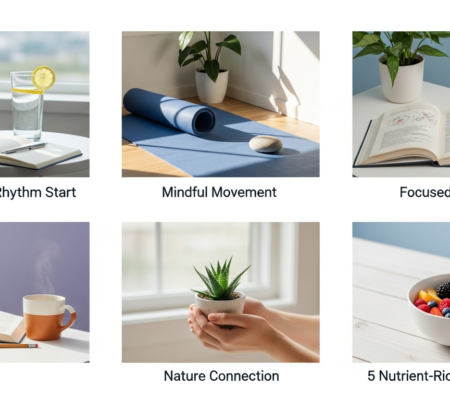
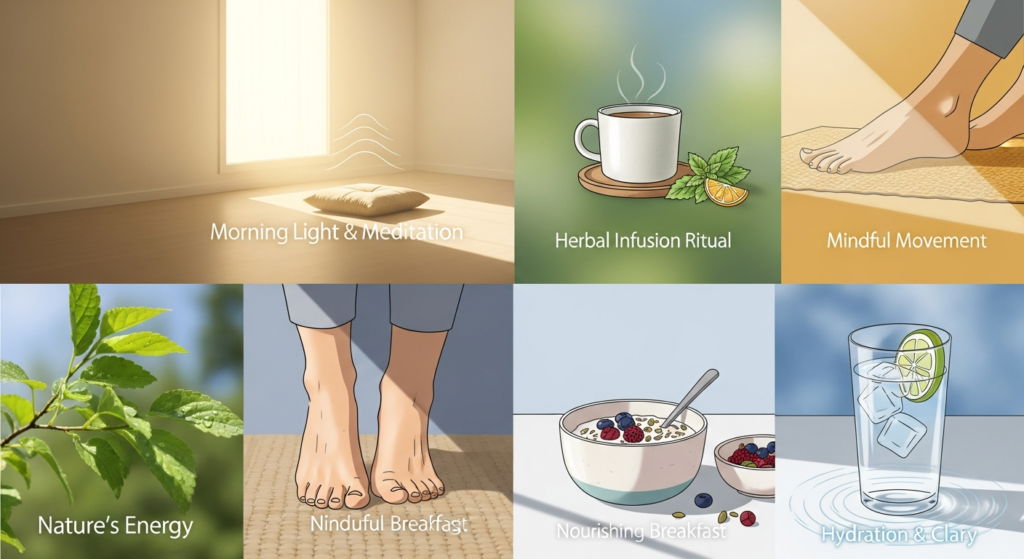
To optimize this system in 2026, focus on “anchor habits.” The most important of these is viewing natural sunlight within 30 minutes of waking. Sunlight triggers the release of cortisol, our natural “alertness” hormone, and sets a timer for melatonin production later that evening. Even on cloudy days, the photon density outdoors is significantly higher than indoor lighting, providing the necessary signal to your brain that the day has begun.
Furthermore, consistency is king. Waking up at the same time every day, even on weekends, prevents “social jetlag.” When your body knows exactly when it is expected to be active, it pre-emptively begins metabolic processes that make you feel alert the moment your feet hit the floor. If you find yourself struggling with a morning fog, try a “light shower” by stepping onto a balcony or porch for ten minutes before checking your emails.
2. Nutritional Synergy: Fueling for Mitochondrial Health
Energy at its most basic level is produced within our cells by the mitochondria. To boost your energy naturally, you must provide these “cellular powerhouses” with the right raw materials while avoiding the “blood sugar roller coaster” that leads to the dreaded 3 PM crash.
The 2026 approach to energy-centric eating focuses on nutrient density and glycemic control. Instead of simple carbohydrates that cause insulin spikes and subsequent fatigue, prioritize a combination of complex carbohydrates, healthy fats, and high-quality proteins.
* **Complex Carbs:** Quinoa, sweet potatoes, and oats provide a slow, steady release of glucose.
* **Healthy Fats:** Avocados, walnuts, and extra virgin olive oil support brain health and long-term satiety.
* **Magnesium-Rich Foods:** Magnesium is a cofactor in over 300 enzymatic reactions, including the production of ATP (energy). Incorporate pumpkin seeds, spinach, and dark chocolate to ensure your cellular engines are running efficiently.
Avoid “hidden” energy drainers like ultra-processed snacks and excessive added sugars. When you consume high-sugar foods, your body works overtime to manage the spike, eventually leading to a glucose dip that leaves you feeling more exhausted than before you ate.
3. The Hydration-Energy Connection: More Than Just Water
Dehydration is one of the most overlooked causes of fatigue. Even a mild state of dehydration—losing just 1% to 2% of your body’s water content—can significantly impair cognitive function, mood, and physical stamina. However, in 2026, we understand that hydration is about more than just the volume of water you drink; it’s about mineral balance.
To truly boost your energy, focus on cellular hydration. This involves ensuring you have adequate electrolytes—sodium, potassium, and magnesium—to help water actually enter your cells. Drinking plain, filtered water all day can sometimes flush out these essential minerals, leading to a feeling of lethargy despite a high water intake.
Consider adding a pinch of high-quality sea salt or a squeeze of lemon to your morning water. This “adrenal cocktail” approach supports your kidneys and helps maintain the electrical conductivity necessary for nerve signaling and muscle contraction. Aim to drink the majority of your fluids in the first half of the day to avoid sleep disruptions caused by late-night bathroom trips.
4. Strategic Movement: Using Exercise to Generate Energy
It may seem counterintuitive to spend energy to get energy, but physical activity is one of the most effective ways to combat chronic fatigue. Movement increases blood flow, which delivers more oxygen and nutrients to your tissues and helps your cardiovascular system work more efficiently.
In a modern wellness routine, the “all or nothing” gym mentality is being replaced by “movement snacks.” Research shows that brief bursts of activity—such as a 10-minute brisk walk or a few flights of stairs—can be just as effective as a longer workout for boosting immediate alertness. This is because movement triggers the release of endorphins and dopamine, the brain’s natural “feel-good” and “motivation” chemicals.
For sustained energy, incorporate a mix of:
* **Low-Intensity Steady State (LISS):** Walking in nature lowers cortisol and clears mental fog.
* **Strength Training:** Increasing muscle mass improves metabolic rate and glucose disposal.
* **Yoga or Stretching:** Relieving physical tension reduces the “background noise” of fatigue caused by a sedentary lifestyle.
The key is to avoid overtraining. Pushing too hard without adequate recovery can lead to adrenal fatigue, which has the opposite of the desired effect. Listen to your body and choose the intensity that leaves you feeling invigorated rather than depleted.
5. Mental Clarity and Stress Optimization
Mental fatigue is often more debilitating than physical exhaustion. The brain consumes approximately 20% of the body’s total energy. When we are stuck in a state of chronic stress or “decision fatigue,” our cognitive energy is siphoned away, leaving us feeling drained.
To protect your energy in 2026, adopt a “digital minimalist” mindset. The constant barrage of notifications and the habit of “doomscrolling” keep the nervous system in a state of low-level fight-or-flight. This sympathetic nervous system dominance is incredibly energy-intensive.
Practice “box breathing” or meditation to shift your body back into the parasympathetic (rest and digest) state. Just five minutes of deep, diaphragmatic breathing can lower your heart rate and reset your stress response. Additionally, consider using adaptogens—natural herbs like Ashwagandha or Rhodiola Rosea—which help the body “adapt” to stressors and maintain homeostatic energy levels without the jitters associated with caffeine.
6. Sleep Hygiene for Deep Restoration
You cannot out-supplement or out-exercise a lack of quality sleep. While the *quantity* of sleep is important (7-9 hours for most adults), the *quality* of that sleep determines how energized you feel the next day. Deep sleep (REM and Slow Wave Sleep) is when the brain undergoes a “glymphatic wash,” clearing out metabolic waste and consolidating memory.
To optimize sleep for maximum energy:
* **The 10-3-2-1-0 Rule:** No caffeine 10 hours before bed, no food 3 hours before bed, no work 2 hours before bed, no screens 1 hour before bed, and 0 is the number of times you hit the snooze button in the morning.
* **Temperature Control:** Your body needs to drop its core temperature by about 2-3 degrees Fahrenheit to initiate sleep. Keep your bedroom cool (around 65°F or 18°C).
* **Total Darkness:** Use blackout curtains or a high-quality eye mask. Even small amounts of ambient light can interfere with melatonin production.
By treating your sleep as a non-negotiable performance tool rather than a luxury, you ensure that your “battery” is fully recharged every 24 hours.
***
FAQ: Frequently Asked Questions About Natural Energy
#
1. What are the best snacks for a quick energy boost without a crash?
The best snacks combine fiber, healthy fats, and protein. Examples include an apple with almond butter, a handful of walnuts with a piece of dark chocolate, or Greek yogurt with chia seeds. These combinations slow the absorption of sugar into your bloodstream, providing sustained fuel rather than a spike and crash.
#
2. Can I boost my energy naturally if I have a demanding desk job?
Absolutely. The key is “movement snacks” and eye health. Stand up every 30 minutes, practice the 20-20-20 rule (every 20 minutes, look at something 20 feet away for 20 seconds), and ensure your workspace has natural light. Reducing “blue light” exposure from monitors with specialized glasses or software can also prevent the mental fatigue associated with digital eye strain.
#
3. How long does it take to feel the effects of these lifestyle changes?
While a walk or a glass of electrolyte water can provide an immediate lift, systemic changes usually take 2 to 4 weeks. This is the time required for your circadian rhythm to stabilize and for your cellular metabolism to adapt to new nutritional inputs. Consistency is more important than perfection.
#
4. Is it necessary to quit caffeine entirely to have natural energy?
Not necessarily. Caffeine can be a useful tool when used strategically. However, many people use it to mask underlying exhaustion. In 2026, the trend is “caffeine cycling” or delaying your first cup until 90-120 minutes after waking to allow your natural adenosine clearance to occur, which prevents the mid-morning crash.
#
5. What is the most common “hidden” energy drainer?
Chronic low-grade inflammation and “open loops” (unfinished tasks) are major drainers. Inflammation often comes from a poor diet or lack of sleep, while mental “open loops” create anxiety that consumes glucose. Organizing your tasks and eating an anti-inflammatory diet rich in Omega-3s can provide a massive boost in felt energy.
***
Conclusion: Crafting Your Sustainable Energy Routine
Boosting your energy naturally in 2026 is an exercise in returning to biological basics. It is about honoring the cycles of light and dark, feeding your cells the nutrients they evolved to process, and moving your body in ways that promote circulation and joy. There is no “magic pill” for vitality, but there is a “magic process”—the process of stacking small, consistent habits that yield exponential results over time.
As you build your wellness routine, remember that energy is a holistic metric. It is influenced by what you eat, how you think, how you move, and how you rest. Start small: perhaps this week you commit to morning sunlight, and next week you focus on mineral-rich hydration. By taking a slow, intentional approach, you ensure that these changes become a permanent part of your lifestyle rather than a fleeting resolution. True energy isn’t just the ability to do more; it’s the capacity to show up fully for the things that matter most in your life. Embrace these natural strategies, and watch as your vitality transforms from a daily struggle into your most reliable asset.