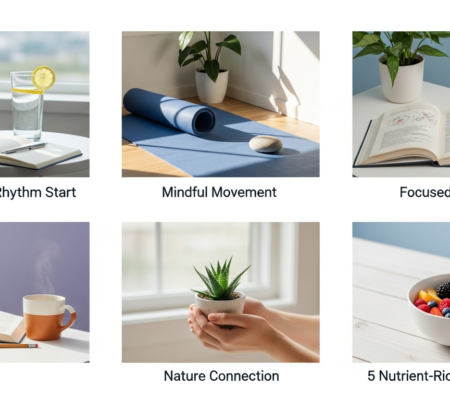


The Art of the Slow Start: Low-Stress Morning Routine Ideas for a Balanced Life
We have all been there: the jarring blare of a smartphone alarm, the frantic scramble to find matching socks, and the hurried gulp of lukewarm coffee as we rush out the door. This “reactive” start to the day triggers a cascade of stress hormones that can leave us feeling frazzled before we even sit down at our desks. In 2026, the global shift toward wellness has moved away from the “hustle-at-all-costs” mentality and toward a more sustainable, mindful approach to daily living.
Building a low-stress morning routine isn’t about waking up at 4:00 AM or completing a grueling 20-step checklist. Instead, it is about creating a sanctuary of time that allows your nervous system to transition gently from sleep to wakefulness. By prioritizing intentionality over urgency, you set a blueprint for the rest of your day. This guide explores actionable, science-backed ideas to help you reclaim your mornings, reduce anxiety, and foster a sense of lasting peace that carries you through even the most demanding schedules.
1. The Psychology of the “Slow Start”: Why Your Morning Matters
The way we begin our day dictates our cognitive load and emotional resilience for the subsequent sixteen hours. When we wake up and immediately check emails or social media, we force our brains to skip the vital “theta” and “alpha” wave states—the transitional periods where we are most creative and calm—and jump straight into high-beta “fight or flight” mode.
A low-stress morning routine aims to manage the Cortisol Awakening Response (CAR). Cortisol naturally spikes when we wake up to help us get moving, but when combined with external stressors (like a chaotic environment or digital overstimulation), it can lead to chronic anxiety. By choosing low-impact activities, we allow our bodies to process this natural hormone spike without tipping over into a state of distress.
Furthermore, a predictable routine reduces “decision fatigue.” Every choice we make—what to wear, what to eat, which task to tackle first—consumes mental energy. By automating your morning through a series of nourishing habits, you preserve your “brain power” for the complex problem-solving required later in the day. In 2026, peak performance is no longer defined by how much you can do, but by how well you manage your internal state.
2. The Foundation: Mastering the “Night Before” Preparation
The secret to a low-stress morning actually begins the evening before. You cannot expect to feel calm at 7:00 AM if you are hunting for your car keys or realizing you have no clean work shirts. Preparation is the ultimate act of self-care for your future self.
* **The “Five-Minute Reset”:** Before heading to bed, spend five minutes tidying the main living areas. Waking up to a clean kitchen counter and a clutter-free living room provides an immediate psychological sense of order.
* **Decide Your Wardrobe:** Lay out your clothes, including shoes and accessories. This eliminates the frantic “what should I wear?” spiral that often occurs when we are running late.
* **Meal Prep Simplified:** If you enjoy breakfast, prep it the night before. Overnight oats, pre-cut fruit, or even just setting the coffee maker on a timer can save ten minutes of frantic labor.
* **The Digital Sunset:** Disconnect from screens at least 60 minutes before bed. This ensures your melatonin production is on track, leading to higher-quality sleep, which makes waking up significantly less stressful.
By handling these logistics in the evening, you create “empty space” in your morning. This space is what allows for mindfulness and relaxation rather than a race against the clock.
3. Gentle Awakening: Ditching the Snooze Button and Embracing Light
The “snooze” button is perhaps the greatest enemy of a low-stress morning. Fragmented sleep—those extra nine-minute increments—leaves you with “sleep inertia,” a groggy feeling that can last for hours. To build a better habit, consider these alternatives:
* **Sunrise Alarms:** Use a wake-up light that mimics a natural sunrise. This gradually signals to your brain that it is time to wake up by suppressing melatonin and increasing cortisol naturally, rather than shocking your system with a loud noise.
* **Immediate Hydration:** Before reaching for caffeine, drink 16 ounces of water. Your body is dehydrated after 7–9 hours of sleep. Hydration improves cognitive function and physical energy levels almost instantly.
* **Seek Natural Sunlight:** Within 20 minutes of waking, try to get outside or sit by a bright window. Light exposure regulates your circadian rhythm, making it easier to wake up at the same time every day and improving your mood via serotonin production.
If you struggle with the cold or the darkness of winter mornings, a simple heated robe or a high-quality light therapy lamp can make the transition from the warmth of the bed much more palatable.
4. Mindful Movement and Somatic Grounding
You don’t need a 60-minute gym session to benefit from morning movement. In fact, for many people building a wellness routine, high-intensity exercise first thing in the morning can feel like another “chore.” Instead, focus on somatic practices that ground you in your body.
* **Intuitive Stretching:** Spend five minutes on a yoga mat or even just on your rug. Focus on opening up the hips, spine, and chest. This releases physical tension stored during sleep.
* **The “Morning Mile”:** If weather permits, a short, brisk walk around the block can do wonders. The combination of fresh air and bilateral stimulation (the rhythmic movement of walking) is a natural stress-reducer.
* **Box Breathing:** If you feel an immediate sense of “morning dread,” try box breathing. Inhale for four seconds, hold for four, exhale for four, and hold for four. This simple technique hacks your autonomic nervous system to stay in a “rest and digest” state.
The goal here isn’t calorie burning; it’s nervous system regulation. By connecting with your physical body, you move out of the “monkey mind” of future-tripping about your to-do list and into the present moment.
5. Intentional Consumption: Reading, Journaling, and Silence
In our hyper-connected 2026 landscape, silence is a luxury. Most people fill every silent moment with a podcast, news notification, or social media scroll. A low-stress routine guards these quiet moments.
* **The “No-Phone” First Hour:** Make it a non-negotiable rule not to check your phone for the first 60 minutes of the day. This keeps you in control of your attention rather than surrendering it to the demands of others.
* **Morning Pages:** Borrowed from Julia Cameron, “morning pages” involve writing three pages of long-hand, stream-of-consciousness thoughts. This acts as a “brain dump,” clearing out the mental clutter and anxiety that might be simmering beneath the surface.
* **Gratitude Practice:** Write down three specific things you are grateful for. Scientific studies show that regular gratitude practice rewires the brain to scan for the positive throughout the rest of the day.
* **Read for Pleasure:** Even five pages of a physical book (non-fiction or fiction) can stimulate your mind in a gentle, focused way that digital snippets cannot.
By choosing what you consume in the morning, you choose the “lens” through which you see the world for the rest of the day. If you consume outrage and stress, you will feel outraged and stressed. If you consume calm and wisdom, you will carry that with you.
6. Micro-Habits for the Busy Professional
One of the biggest barriers to a morning routine is the feeling that you “don’t have time.” However, wellness is not an all-or-nothing game. If you have only 15 minutes, you can still execute a high-impact, low-stress sequence using micro-habits.
* **The 2-Minute Rule:** If a habit takes less than two minutes, do it immediately. Making your bed is the classic example. It takes 60 seconds but provides an immediate sense of accomplishment and visual calm.
* **Stack Your Habits:** Use “habit stacking” to make your routine effortless. For example, “While the coffee is brewing, I will do three deep breaths” or “While I brush my teeth, I will think of one intention for the day.”
* **The “Minimum Effective Dose”:** On days when you are truly crunched for time, identify your “Non-Negotiable Trio.” This might be: 1. Drink water, 2. Stretch for 1 minute, 3. No phone until I leave the house.
Remember, consistency beats intensity. Doing a 5-minute calm routine every day is far more effective for your mental health than doing a 90-minute routine once a week.
FAQ: Frequently Asked Questions About Low-Stress Mornings
#
Q1: What if I’m not a “morning person”?
Being a morning person is often more about habit and light exposure than biological destiny. Start small. You don’t need to love the morning; you just need to respect it. Focus on making the first 15 minutes as pleasant as possible (e.g., using a favorite mug or a soft blanket) to reduce the friction of waking up.
#
Q2: How long should a low-stress morning routine take?
It can take anywhere from 10 minutes to two hours. The “ideal” length is whatever fits sustainably into your life. For most, a 30-to-45-minute window provides enough time for hydration, light movement, and a few minutes of quiet reflection without feeling rushed.
#
Q3: Should I eat breakfast as part of my routine?
This depends on your personal biology. Some people find that a protein-rich breakfast stabilizes their blood sugar and reduces morning irritability. Others prefer intermittent fasting and find they have more mental clarity with just water or tea. Experiment to see what makes your body feel most grounded.
#
Q4: How do I handle a routine if I have kids or pets?
Incorporate them! If your kids wake up early, involve them in a “morning stretch” or a quiet reading time. If that’s not possible, try to wake up just 15 minutes before they do to have a moment of silence for yourself. Even a “micro-moment” of solitude can change your parenting energy for the day.
#
Q5: Is it okay to drink coffee first thing?
Ideally, wait about 60–90 minutes after waking to have caffeine. This allows your natural cortisol levels to peak and begin to decline, preventing the “caffeine crash” later in the afternoon. Start with water or herbal tea to hydrate first.
Conclusion: Designing a Life You Don’t Need to Escape From
As we navigate the complexities of 2026, the value of a low-stress morning routine cannot be overstated. It is not merely a “productivity hack”; it is a foundational pillar of mental health and long-term wellness. By shifting your perspective from “getting things done” to “setting the tone,” you transform your mornings from a source of dread into a source of strength.
Start where you are. Choose one or two ideas from this list—perhaps preparing your clothes tonight or committing to a phone-free first hour tomorrow. As these small changes become second nature, you will notice a subtle but profound shift in your temperament. You will find yourself responding to challenges rather than reacting to them. You will find that you have more patience, more focus, and a deeper sense of joy. Your morning is the rudder that steers the ship of your day; steer it with intention, and the rest of your life will follow suit.