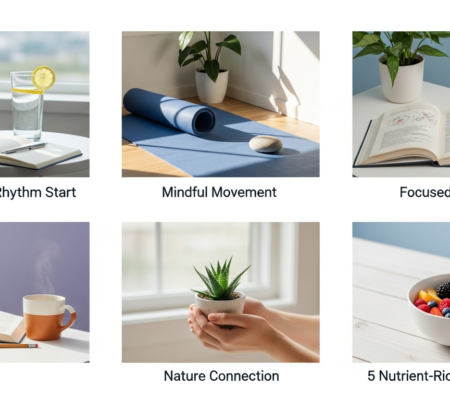


The Science of Sleep: Why Your Best Night’s Rest Actually Begins the Moment You Wake Up
Most people believe that the quest for better sleep starts an hour before bed. They invest in blackout curtains, dim the lights, and sip chamomile tea, hoping to summon a restful night. While these evening rituals are essential, the latest research in chronobiology reveals a surprising truth: the quality of your sleep is primarily determined by what you do in the first two hours of your morning.
Your body operates on a 24-hour internal clock known as the circadian rhythm. This biological metronome dictates when you feel alert and when your brain begins to manufacture the neurochemicals required for deep, restorative sleep. In 2026, wellness experts are increasingly focusing on “circadian anchoring”—the practice of using morning triggers to set your internal clock for success. By optimizing your morning habits, you aren’t just starting your day with more energy; you are effectively “programming” your brain to shut down effortlessly sixteen hours later. This guide explores the most effective morning habits for better sleep, helping you build a wellness routine that works in harmony with your biology.
1. Prioritize Early Sunlight Exposure to Set Your Biological Clock
If you could only adopt one habit to transform your sleep, it should be viewing natural sunlight within 30 to 60 minutes of waking. This is the single most powerful “zeitgeber” (time-giver) for the human body. When sunlight hits the melanopsin-containing ganglion cells in your eyes, it sends a direct signal to the Suprachiasmatic Nucleus (SCN) in your brain—your master clock.
This signal does two critical things. First, it triggers a healthy spike in cortisol, which provides you with alertness and focus for the day. Second, it starts a biological timer for melatonin production. Melatonin, the hormone responsible for sleepiness, begins to rise approximately 12 to 14 hours after your first exposure to bright light. Without this morning light “anchor,” your body remains in a state of biological drift, making it harder to fall asleep at a consistent time.
To optimize this habit in 2026, aim for 10 to 30 minutes of outdoor light. Even on a cloudy day, the “lux” (light intensity) outside is significantly higher than the brightest indoor office lights. If you wake up before the sun, use a high-intensity SAD lamp or a sunrise alarm clock until you can get outside. Avoid wearing sunglasses during this period, as the light needs to enter the eye directly to trigger the hormonal cascade.
2. Implement the 90-Minute Caffeine Delay
For many, the first instinct upon waking is to reach for a cup of coffee. However, science suggests that delaying your first hit of caffeine by 90 to 120 minutes can drastically improve your sleep quality and prevent the dreaded afternoon crash.
The reason lies in a molecule called adenosine. From the moment you wake up, adenosine begins to build up in your brain; the more adenosine you have, the “sleepier” you feel. During the night, your body clears this adenosine out. If you drink caffeine immediately upon waking, the caffeine molecules park themselves in your adenosine receptors, blocking the remaining “sleepiness” signals without actually clearing them.
When the caffeine wears off in the afternoon, that pent-up adenosine floods the receptors all at once, leading to a crash. This often leads to a second or third cup of coffee late in the day, which lingers in your system—caffeine has a half-life of about 5–6 hours—and disrupts your ability to enter deep sleep stages at night. By waiting 90 minutes, you allow your body to naturally clear the last of the previous night’s adenosine, ensuring that your energy levels remain stable and your evening “sleep pressure” builds naturally and effectively.
3. Hydrate First, Nourish with Protein Second
Dehydration is a subtle but common disruptor of sleep. During the night, you lose a significant amount of water through respiration and perspiration. Starting your day with 16–24 ounces of water—ideally with a pinch of mineral salt or electrolytes—rehydrates your nervous system and stabilizes your metabolism.
Following hydration, your choice of breakfast plays a massive role in your evening melatonin levels. To build better sleep habits, prioritize a high-protein breakfast. Proteins contain an amino acid called tryptophan. While most people associate tryptophan with post-Thanksgiving sleepiness, it is actually a precursor to serotonin, which is then converted into melatonin in the evening.
Eating a breakfast rich in eggs, Greek yogurt, or lean proteins helps provide the raw materials your brain needs to manufacture sleep hormones later in the day. Furthermore, a high-protein start to the day stabilizes blood sugar. Blood sugar spikes and subsequent crashes caused by sugary cereals or pastries can lead to cortisol fluctuations that disrupt your circadian rhythm, making your body feel “stressed” when it should be preparing for rest.
4. Engage in Morning Movement and Core Temperature Regulation
Your body’s core temperature follows a predictable rhythm: it is at its lowest about two hours before you wake up and rises throughout the day, peaking in the late afternoon before dropping again to signal sleep. You can “force” this rhythm into a healthy pattern by exercising in the morning.
Physical activity increases your core body temperature and reinforces the “alertness” signal sent by the morning sun. Whether it’s a brisk 20-minute walk, a weightlifting session, or a yoga flow, morning movement tells your brain that the day has officially begun. Research shows that people who exercise in the morning tend to spend more time in deep, slow-wave sleep compared to those who exercise late in the evening.
Furthermore, morning exercise helps regulate the autonomic nervous system. By exerting yourself early, you promote a better balance between the sympathetic (fight or flight) and parasympathetic (rest and digest) systems. This ensures that by the time evening rolls around, your body is ready to downshift into a state of relaxation rather than staying “wired” from a late-night gym session.
5. Master the “Consistency Anchor” (Even on Weekends)
The human brain thrives on predictability. One of the most damaging habits for sleep is “social jetlag”—the practice of waking up at 6:00 AM during the week and sleeping in until 10:00 AM on weekends. This four-hour shift confuses your internal clock as much as flying across four time zones would.
To build a wellness routine that lasts through 2026 and beyond, you must establish a consistent wake-up time. This is actually more important than a consistent bedtime. While you cannot always control when you fall asleep (as sleep cannot be forced), you have total control over when you get out of bed.
By waking up at the same time every day, you keep your circadian rhythm tightly “entrained.” This consistency ensures that your hunger hormones, energy levels, and sleep-inducing chemicals are released at the same time every 24 hours. If you have a late night, the best strategy is still to wake up within an hour of your normal time and perhaps take a short 20-minute nap in the early afternoon to compensate. This protects the integrity of your master clock.
6. Morning Mindset: Managing the “Cortisol Awakening Response”
While we often think of cortisol as the “stress hormone,” it is actually essential for life and alertness. The Cortisol Awakening Response (CAR) is a sharp increase in cortisol levels that occurs in the first 30–45 minutes after waking. If you wake up and immediately check your email or scroll through stressful news, you can “supercharge” this cortisol spike into anxiety.
High stress levels in the morning can lead to a prolonged elevated heart rate and a state of hyper-vigilance that lasts all day. This makes it difficult for the nervous system to relax in the evening. Building a better sleep routine involves protecting your morning peace.
Instead of reaching for your phone, spend the first 10 minutes of your day in mindfulness, journaling, or simply planning your day with intention. By managing your morning stress, you prevent the “tired but wired” feeling that keeps so many people awake at night. A calm morning sets the stage for a calm evening.
***
Frequently Asked Questions (FAQ)
#
1. Does it matter if I get sunlight through a window?
Yes, it matters significantly. Glass filters out many of the blue and UV wavelengths required to trigger the circadian response. Getting light through a window can take 5 to 10 times longer to produce the same biological effect as standing outside. For best results, step onto a balcony, porch, or sidewalk.
#
2. Can I still have my morning coffee if I wait 90 minutes?
Absolutely. The goal isn’t to quit caffeine but to time it more effectively. By waiting until your natural “waking” hormones have done their job, you ensure the caffeine enhances your day without disrupting your night.
#
3. What if I work the night shift?
Night shift workers can still use these principles by “shifting” their morning. When you finish your shift, avoid bright light (use blue-light blocking glasses) to keep your body in “night” mode. When you wake up from your daytime sleep, use a high-intensity light box to simulate a “morning” sun exposure to reset your clock for your “day.”
#
4. Is the snooze button really that bad for sleep?
Yes. The sleep you get between snooze alarms is fragmented and low quality. More importantly, it confuses your brain about the wake-up signal. It is better to set your alarm for the actual time you need to get up and commit to the “Consistency Anchor.”
#
5. How long does it take for these habits to improve my sleep?
Most people notice a difference in their daytime energy levels within 3–5 days. However, for your circadian rhythm to fully shift and for evening sleep onset to become effortless, it usually takes about two to three weeks of consistent morning habits.
***
Conclusion: The Holistic Path to Rest
As we navigate the wellness landscape of 2026, it is clear that sleep is not an isolated event that happens in the dark; it is the culmination of every choice we make from the moment our eyes open. By embracing sunlight, delaying caffeine, prioritizing protein, and maintaining a consistent rhythm, you are doing more than just “fixing” your sleep—you are optimizing your entire biological system.
Building better daily habits requires patience and persistence. You don’t have to overhaul your entire life tomorrow. Start by stepping outside for ten minutes of sun and waiting a little longer for your coffee. Over time, these small shifts will compound, leading to deeper rest, sharper focus, and a more vibrant life. Remember: a great night of sleep is won in the morning.