
How to Reduce Stress Naturally: A Comprehensive Guide to Lasting Wellness in 2026
In our fast-paced, hyper-connected world, stress has become an almost expected passenger in our daily lives. However, as we move into 2026, the global conversation has shifted from merely “surviving” the hustle to thriving through intentional, holistic wellness. Chronic stress doesn’t just make us feel “on edge”; it triggers a physiological cascade, flooding the body with cortisol and adrenaline, which—over time—can lead to burnout, weakened immunity, and metabolic imbalances.
The good news is that your body possesses an incredible, built-in capacity for regulation. Learning how to reduce stress naturally isn’t about expensive retreats or complicated biohacking; it’s about returning to fundamental human needs. By integrating small, science-backed habits into your daily routine, you can retrain your nervous system to respond to challenges with resilience rather than panic. This guide explores the most effective natural strategies to lower your stress levels, balance your hormones, and reclaim your sense of peace through sustainable lifestyle shifts.
1. Master Your Breath: Harnessing the Vagus Nerve
The most immediate tool you have to combat stress is your breath. Unlike other bodily functions, the breath sits at the intersection of the conscious and unconscious mind. When you are stressed, your “fight or flight” (sympathetic) nervous system takes over, leading to shallow, rapid chest breathing. By intentionally slowing the breath, you signal to your brain that you are safe, activating the “rest and digest” (parasympathetic) nervous system via the vagus nerve.
One of the most effective techniques for 2026 wellness enthusiasts is **Box Breathing**. This method, used by elite athletes and Navy SEALs, involves inhaling for four seconds, holding for four, exhaling for four, and holding the empty lungs for four. Another powerful tool is the **4-7-8 technique**, which acts as a natural tranquilizer for the nervous system.
To make this a habit, try “habit stacking.” Practice three minutes of mindful breathing while your morning coffee brews or during your commute. The goal isn’t to eliminate stress entirely—that’s impossible—but to shorten the duration of the stress response. Over time, these micro-sessions of breathwork lower your baseline cortisol levels, making you less reactive to daily irritations.
2. Joyful Movement: Exercise as a Stress Buffer
While high-intensity interval training (HIIT) has its place, it can sometimes exacerbate stress if your body is already in a state of chronic depletion. To reduce stress naturally, the focus should be on “joyful movement”—physical activity that feels like a release rather than a chore.
Exercise helps metabolize the “stress chemicals” (cortisol and adrenaline) that accumulate in your muscles during a tense day. It also stimulates the production of endorphins, the body’s natural mood elevators. For those building a wellness routine in 2026, the emphasis is on consistency over intensity. A 30-minute brisk walk in the morning light can do more for your mental health than an hour of grueling cardio late at night.
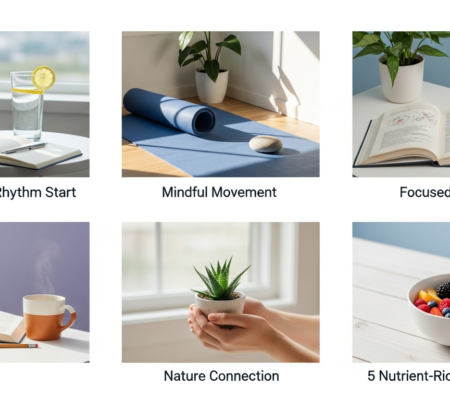
Consider incorporating ancient practices like **Yoga or Tai Chi**. These disciplines combine movement with mindfulness, helping to ground your energy and improve your mind-body connection. If you find yourself stuck at a desk, even “movement snacks”—five minutes of stretching or walking every hour—can prevent the physical stagnation that often mirrors mental stagnation. The key is to listen to your body: if you’re exhausted, choose a restorative flow; if you’re frustrated, choose something that gets your heart rate up.
3. Nutritional Resilience: Eating for a Calmer Brain
What you put on your plate dictates the chemical environment of your brain. To reduce stress naturally, you must address the gut-brain axis. Roughly 90-95% of your body’s serotonin—the “feel-good” neurotransmitter—is produced in your gut. A diet high in processed sugars and artificial additives can cause inflammation, which the brain interprets as a biological stressor.
In 2026, the focus is on **anti-inflammatory nutrition**. This means prioritizing:
* **Magnesium-Rich Foods:** Often called “nature’s Valium,” magnesium helps muscles relax and supports sleep. Load up on spinach, pumpkin seeds, almonds, and dark chocolate.
* **Omega-3 Fatty Acids:** Found in fatty fish, walnuts, and flaxseeds, these fats help reduce brain inflammation and protect against anxiety.
* **Adaptogens:** These are natural herbs and mushrooms that help the body “adapt” to stress. Reishi mushroom, Ashwagandha, and Holy Basil are staples in modern wellness routines for their ability to stabilize the adrenal system.
* **Complex Carbohydrates:** Unlike simple sugars, complex carbs like oats and sweet potatoes help the brain produce serotonin without the blood sugar crash.
Hydration is equally vital. Dehydration is a physical stressor that can cause headaches and fatigue, making emotional stress harder to manage. Replacing a third cup of coffee with herbal tea—like chamomile or lemon balm—can significantly lower jitters and promote a steady state of calm throughout the afternoon.
4. The Sleep Revolution: Optimizing Your Circadian Rhythm
Sleep is the ultimate natural stress reducer, yet it is often the first thing we sacrifice. When you are sleep-deprived, your amygdala (the brain’s emotional center) becomes hyper-reactive, making minor problems feel like catastrophes. In 2026, building a better daily habit means prioritizing “sleep hygiene” as a non-negotiable pillar of health.
To reduce stress naturally, you must align your lifestyle with your circadian rhythm. This starts with **morning light exposure**. Stepping outside for 10 minutes shortly after waking helps set your internal clock, ensuring melatonin is released at the right time in the evening.
Evening routines are equally critical. The “10-3-2-1-0” rule is a popular framework for those building better habits:
* **10 hours** before bed: No more caffeine.
* **3 hours** before bed: No more food or alcohol.
* **2 hours** before bed: No more work.
* **1 hour** before bed: No more blue light/screens.
* **0:** The number of times you hit the snooze button in the morning.
By creating a cool, dark, and tech-free sleep sanctuary, you allow your brain to enter deep, restorative REM cycles where emotional processing and physical repair occur. Quality sleep doesn’t just make you less tired; it builds a psychological “buffer” that allows you to handle the next day’s stressors with grace.
5. Nature and Sensory Regulation (Ecotherapy)
Human beings were not evolved to spend 90% of their lives indoors under LED lights. “Ecotherapy,” or the practice of spending time in nature, is one of the fastest ways to lower blood pressure and cortisol. Research into **Shinrin-yoku (Forest Bathing)** has shown that even a brief period spent among trees can boost the activity of “natural killer” cells and reduce feelings of hostility.
If you live in an urban environment, you can still leverage sensory regulation. The 2026 wellness trend of “biophilic design” suggests bringing the outdoors in. Natural light, indoor plants, and even recordings of nature sounds can trigger a calming response in the brain.
Another sensory tool is **Grounding (Earthing)**—the practice of making direct physical contact with the Earth’s surface, such as walking barefoot on grass or sand. While it may sound “new age,” the science suggests that transferring the Earth’s electrons to the body can help neutralize free radicals and improve sleep. At the very least, taking a “tech-free” walk in a local park provides a much-needed break from the “attention economy” that keeps our brains in a state of perpetual alertness.
6. Digital Minimalism and Emotional Boundaries
Finally, reducing stress naturally requires addressing the invisible stressors: our digital habits and social obligations. We are the first generation of humans to deal with a 24/7 stream of global crises and social comparisons. Building a wellness routine in 2026 necessitates **Digital Minimalism**.
Stress is often the result of “open loops”—unfinished tasks, unread emails, and the pressure to respond instantly. Setting firm boundaries is a natural form of self-care. This might look like:
* Turning off non-human notifications on your phone.
* Designating “No-Phone Zones” (like the dining table or the bedroom).
* Learning to say “no” to social engagements that drain rather than fill your cup.
Practicing **Mindfulness and Gratitude** also shifts the brain’s focus from what is “wrong” or “missing” to what is present. A daily gratitude journal—listing just three specific things you are thankful for—can physically rewire the brain over time, strengthening the neural pathways associated with contentment and reducing the activity in the brain’s “threat detection” centers.
FAQ: Frequently Asked Questions
**Q1: What is the fastest natural way to stop a panic or high-stress moment?**
The fastest way is the “Cold Water Shock” or “Mammalian Dive Reflex.” Splashing ice-cold water on your face or holding an ice cube in your hand forces your heart rate to slow down and resets the nervous system almost instantly. Following this with five minutes of “Box Breathing” is highly effective.
**Q2: Can supplements really replace stress medication?**
Supplements like magnesium, ashwagandha, and L-theanine are powerful tools for managing *daily* stress and supporting the nervous system. However, they are not a direct replacement for prescribed medication for clinical anxiety or depression. Always consult with a healthcare professional before changing your regimen, especially if you are already taking medication.
**Q3: How long does it take to see results from these natural methods?**
Some effects, like those from breathing and nature walks, are immediate. However, long-term physiological changes—such as lowered baseline cortisol and improved sleep quality—typically take 2 to 4 weeks of consistent habit-building to become noticeable.
**Q4: Is caffeine making my stress worse?**
For many, yes. Caffeine mimics the stress response by increasing adrenaline and heart rate. If you are already prone to anxiety, caffeine can “trap” you in a state of high arousal. Try tapering your intake or switching to Matcha, which contains L-theanine to provide a calmer, more focused energy.
**Q5: What if I don’t have time for a long wellness routine?**
Wellness doesn’t require hours; it requires intentionality. “Micro-habits”—such as one minute of deep breathing, a glass of water before your coffee, or a 5-minute walk—are more effective than a 2-hour yoga session once a month. Consistency is the key to nervous system regulation.
Conclusion: Building Your Sustainable Routine
Reducing stress naturally is not a destination but a daily practice of returning to yourself. As we navigate the complexities of 2026, the most resilient individuals will be those who prioritize their biological needs over the demands of the digital world. By mastering your breath, moving your body with intention, nourishing yourself with real food, and protecting your sleep, you create a foundation that no external stressor can easily shake.
Start small. Choose one habit from this guide—perhaps the morning light exposure or the 4-7-8 breathing technique—and commit to it for seven days. Wellness is a journey of a thousand small choices. As you build these better habits, you’ll find that you aren’t just reducing stress; you are building a life of greater clarity, energy, and joy. Your nervous system is capable of profound healing; you simply have to give it the environment it needs to thrive.