
The Ultimate Self-Care Checklist for Busy Moms: Building Sustainable Wellness Routines in 2026
The modern motherhood experience is often described as a marathon with no finish line. Between managing school schedules, navigating career demands, maintaining a household, and ensuring the emotional well-being of a family, most mothers find themselves at the very bottom of their own priority lists. By the time the house is quiet, the “mental load” has often drained every ounce of energy, leaving little room for anything other than scrolling through a phone in a state of exhaustion.
However, as we look toward wellness trends in 2026, the narrative is shifting. We are moving away from the “martyr mom” trope and toward a more sustainable model of “integrated wellness.” Self-care is no longer a luxury or an occasional spa day; it is a vital system of daily habits that prevents burnout and fosters a thriving life. This guide provides a comprehensive self-care checklist for busy moms designed to fit into the cracks of a hectic schedule, proving that you don’t need hours of free time to reclaim your sense of self.
—
Why Moms Need a Self-Care System (Not Just an Escape)
For many years, self-care was marketed as an “escape” from life—a glass of wine, a bubble bath, or a solo shopping trip. While these activities are pleasant, they are temporary fixes for a systemic problem. If your daily life is draining you faster than you can replenish your energy, an occasional treat won’t solve the underlying fatigue.
In 2026, the focus has shifted toward **proactive wellness**. This means building a system of habits that protects your energy before it hits zero. For a busy mom, a self-care checklist acts as a roadmap. When decision fatigue sets in—that paralyzing feeling of having made too many choices for everyone else—you don’t have to think about what you need. You simply look at your routine and follow the steps.
Systematizing your self-care reduces the “friction” of taking care of yourself. It moves wellness from a “should-do” to a “must-do,” much like brushing your teeth or feeding the kids. By implementing small, non-negotiable daily habits, you build a reservoir of resilience that helps you handle the inevitable tantrums, deadlines, and household chaos with more grace and less reactivity.
The Morning Anchor: Starting Your Day with Intention
The way a mother starts her morning often dictates the emotional climate of the entire home. If you wake up to the sound of a crying child or a blaring alarm and immediately dive into “service mode,” you are starting your day in a state of high cortisol and reactivity.
#
1. The Five-Minute Early Rise
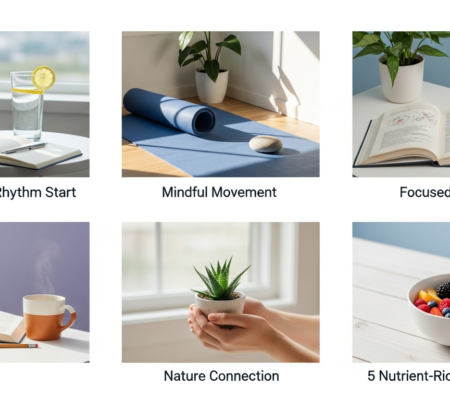
You don’t need to join the “5 AM Club” to see benefits. Waking up just 10 to 15 minutes before your children can be transformative. This is your “sacred window.” Use this time for silence—no phone, no emails, no chores.
#
2. Hydration Before Caffeine
Before the coffee hits your system, drink 16 ounces of water. Overnight dehydration contributes to brain fog and irritability. In 2026, we understand more than ever the link between gut health, hydration, and mood stabilization.
#
3. Movement with Momentum
This isn’t about an hour-long gym session. It’s about a five-minute stretch or a few yoga poses to wake up your lymphatic system. Stretching tells your nervous system that it is safe and ready for the day, reducing the “fight or flight” response that many moms feel when the morning rush begins.
#
4. Affirmation or Intention Setting
Decide how you want to *feel* today. Instead of focusing on your to-do list, focus on your “to-be” list. “Today, I will be patient,” or “Today, I will find joy in small moments.”
—
The Mid-Day Reset: Navigating the Afternoon Slump
The hours between 1:00 PM and 4:00 PM are often the most difficult for busy moms. Blood sugar drops, the initial morning caffeine wears off, and the “second shift” (after-school activities and dinner prep) looms ahead. This is the critical window for a mid-day reset.
#
1. Nutritional Insurance
Moms are notorious for “scavenger eating”—finishing the kids’ crusts or eating standing up over the sink. A vital part of your self-care checklist is a seated, nutritious lunch. Focus on protein and healthy fats to stabilize your hormones. If you are a working mom, step away from your screen. The brain needs a “cognitive break” to maintain productivity.
#
2. The “Brain Dump”
When the mental load feels heavy, write it down. Spend three minutes listing everything currently swirling in your head, from “buy soccer cleats” to “schedule dentist.” Once it is on paper, your brain no longer has to use active energy to remember it.
#
3. Sensory Grounding
If the house is loud or your workspace is stressful, use sensory grounding. Essential oils like peppermint or citrus can provide a natural energy boost. Alternatively, a quick three-minute meditation using a noise-canceling headset can “reset” your nervous system.
#
4. Setting Boundaries
Self-care is often about what you *don’t* do. Mid-day is the time to practice saying “no” to low-priority requests. In 2026, protective boundaries are recognized as the ultimate form of mental health maintenance.
—
Evening Wind-Down: Prioritizing Restorative Sleep
For many moms, the evening is “revenge bedtime procrastination” time—staying up too late because it’s the only time you have to yourself. However, chronic sleep deprivation is the enemy of wellness. A solid evening checklist helps you transition from “Manager of Everything” to a person ready for rest.
#
1. The Digital Sunset
Ideally, 60 minutes before bed, put your phone in a charging station outside the bedroom. The blue light and the dopamine hits from social media keep your brain in an active state, preventing deep REM sleep.
#
2. Skincare as Ritual
Don’t just wash your face; use those three minutes as a mindful ritual. Feel the temperature of the water and the texture of the cleanser. This is a physical signal to your body that the “work day” is over.
#
3. Gratitude Journaling
Write down three things that went well today. Science shows that a consistent gratitude practice can rewire the brain to look for the positive, which is essential for moms who often feel bogged down by the “drudgery” of daily chores.
#
4. Preparation for Tomorrow
Spend five minutes setting yourself up for success. Lay out your clothes or clear the kitchen counters. “Future You” will thank “Past You” for the lack of morning friction.
—
Weekly and Monthly Wellness Pillars
While daily habits are the foundation, your self-care checklist must also include larger “maintenance” items that occur less frequently but are equally important for long-term health.
#
The Weekly Check-In
* **Social Connection:** Schedule at least one adult conversation that has nothing to do with your children. Whether it’s a phone call with a friend or a quick coffee, human connection is a fundamental need.
* **Solo Time:** Aim for at least two hours a week where you are not “on call.” This may require communicating with a partner or hiring a sitter.
* **Meal Prep:** Spending an hour on Sunday prepping proteins or veggies is an act of self-care for the busy week ahead.
#
The Monthly Reflection
* **Health Appointments:** Are you up to date on your own check-ups? Moms often skip their own doctor or dentist visits to accommodate their kids’ schedules.
* **Hobby Cultivation:** Identify one thing you do simply because you enjoy it. In 2026, “creative play” for adults is recognized as a major stress-reducer. Whether it’s gardening, painting, or reading, reconnect with the person you were before you had titles like “Mom” or “Manager.”
—
Overcoming “Mom Guilt”: The Mindset Shift
The biggest obstacle to any self-care checklist isn’t time; it’s guilt. Many mothers feel that every minute spent on themselves is a minute stolen from their children. This is the “Zero-Sum Myth.”
In reality, your well-being is the foundation upon which your family sits. A mother who is chronically stressed, sleep-deprived, and nutritionally depleted cannot provide the emotional regulation and presence her children need. By following a self-care routine, you are not taking away from your family; you are investing in the quality of the person who cares for them.
Furthermore, you are modeling healthy behavior. By 2026, we want our children to grow up seeing that health is a priority. When your children see you exercising, eating well, and setting boundaries, you are giving them a blueprint for their own future wellness.
—
FAQ: Frequently Asked Questions about Self-Care for Moms
**Q1: How do I find time for self-care when I’m a single parent or have no help?**
A: Focus on “micro-habits.” Self-care doesn’t have to be a 30-minute block. It can be 60 seconds of deep breathing while the microwave runs, or a 5-minute podcast while you fold laundry. Incorporate your kids into some of it—take them on a “nature walk” where you focus on your breathing while they explore.
**Q2: What is the difference between self-care and self-maintenance?**
A: Self-maintenance is the basic upkeep required to function (showering, eating, sleeping). Self-care goes a step further—it involves activities that nourish your soul and recharge your emotional batteries. Both are necessary, but moms often mistake maintenance for care.
**Q3: I feel guilty spending money on myself. Are there free self-care options?**
A: Absolutely. Most of the most effective self-care habits are free: sunlight exposure, meditation, walking, journaling, and drinking water. Wellness is about consistency, not the price tag of your yoga leggings.
**Q4: How do I stick to a checklist when my kids’ schedules are unpredictable?**
A: Build “conditional habits” (also known as “if-then” planning). “If the baby naps, then I will read for 10 minutes instead of doing dishes.” This allows for flexibility while keeping your goals in mind.
**Q5: Why do I feel more tired after I start a self-care routine?**
A: This is common. When you finally slow down, your body often “crashes” as it realizes how exhausted it truly is. This is a sign that you needed the rest. Stick with it; as your nervous system regulates, your energy levels will stabilize.
—
Conclusion: Designing Your Best 2026
Building a daily habit of self-care is an act of quiet rebellion in a world that demands mothers give everything of themselves until there is nothing left. As we move through 2026, the goal is to create a life you don’t feel the need to frequently escape from.
A self-care checklist isn’t about perfection. There will be days when the morning routine is skipped because of a sick toddler, or nights when the “digital sunset” is ignored for a Netflix binge. That’s okay. The power of a checklist lies in its ability to give you a place to return to.
Start small. Pick two items from the morning list and one from the evening list. Master those for two weeks before adding more. By prioritizing your own wellness, you aren’t just becoming a better mother; you are reclaiming your identity as a woman who deserves health, peace, and joy. Your checklist is more than a to-do list—it’s a commitment to yourself.