
Ever stood in front of a closet overflowing with clothes, yet felt like you had absolutely nothing to wear? You’re not alone, darling. It’s a common modern predicament: a paradox of abundance that leaves us feeling overwhelmed, frustrated, and sometimes, a little guilty. We buy, we accumulate, we chase trends, and still, that perfect outfit feels just out of reach. But what if there was another way? What if less truly was more?
At Sometimes Daily, we believe in living intentionally, finding joy in simplicity, and empowering you to make choices that serve your well-being. That’s why today, we’re diving deep into the art and science of how to create a minimalist wardrobe you actually wear. This isn’t about deprivation or sacrificing style; it’s about curating a collection of clothes that makes you feel confident, comfortable, and authentically you, every single day. Imagine reclaiming precious time, reducing decision fatigue, and stepping out with effortless elegance. Sounds good, right? Let’s unlock the secrets to a truly functional and fabulous minimalist closet.
Understanding the “Why”: More Than Just Less Clothes
Before we even think about hangers and fabric, let’s talk about the profound benefits of embracing a minimalist approach to your wardrobe. This isn’t just a fleeting trend; it’s a lifestyle shift that can positively impact your mental well-being, finances, and even the planet. Think of it as a form of self-care for your closet.
- Reduce Decision Fatigue: One of the most underrated benefits! Research shows that making too many small decisions throughout the day depletes our mental energy. When your wardrobe is streamlined, choosing an outfit becomes quick and effortless, freeing up brainpower for more important things. Imagine starting your day without that nagging “what should I wear?” internal debate.
- Save Time: Less clutter means less searching. A well-curated wardrobe allows you to mix and match with ease, assembling outfits in minutes, not hours. More time for that morning coffee, a quick meditation, or an extra few minutes of sleep!
- Save Money: While the initial investment in quality pieces might seem higher, a minimalist wardrobe encourages mindful purchasing. You buy fewer items, but those items are durable, versatile, and truly loved, saving you from endless cycles of impulse buys and trend chasing.
- Boost Confidence: When every item in your closet fits well, flatters your body, and genuinely reflects your style, you naturally feel more confident. No more settling for “good enough” outfits; every look is intentional and empowering.
- Support Sustainability: Fast fashion is a significant contributor to environmental waste. By choosing fewer, higher-quality pieces and extending their lifespan, you’re making a conscious choice to reduce your environmental footprint. It’s a small change with a big impact.
- Clarity and Calm: A tidy, organized space, especially your personal sanctuary like a closet, contributes to a tidier, calmer mind. It’s a physical manifestation of mental decluttering, allowing for greater peace and focus in your daily life.
Embracing a minimalist wardrobe is about shifting your mindset from accumulation to curation, from quantity to quality, and from fleeting trends to timeless personal style. It’s an empowering journey towards intentional living, one perfectly chosen garment at a time.
Phase 1: The Great Wardrobe Audit – Unearthing Your Style DNA
Alright, ladies, this is where the real work (and fun!) begins. Before you buy anything new, you need to understand what you already have and, more importantly, what truly serves you. This isn’t just about decluttering; it’s an archaeological dig into your personal style history. Get ready to pull everything out!
Step 1: Empty Your Closet (Yes, Everything!)
Take every single item of clothing, every accessory, every shoe out of your closet and drawers. Pile it all on your bed, a couch, or even the floor. Seeing everything in one place can be incredibly eye-opening (and perhaps a little terrifying, but trust the process!). This creates a blank slate, allowing you to approach your wardrobe with fresh eyes.
Step 2: The “Keep, Donate, Sell, Trash, Mend” System
Now, pick up each item, one by one, and make an honest assessment. Ask yourself these crucial questions:
- “Do I absolutely LOVE this?” Not just like, but LOVE. Does it make you feel amazing when you wear it? Does it spark joy, as Marie Kondo would say?
- “Does it fit me perfectly right now?” Be honest. If it’s too tight, too loose, or requires a special bra you don’t own, it’s probably not serving you. Don’t keep “skinny clothes” or “someday clothes” unless they genuinely motivate you and you have a clear plan for them.
- “Have I worn this in the last year?” The one-year rule is a great indicator. If not, why? Is it uncomfortable, ill-fitting, or just not your style anymore? Exceptions can be made for truly special occasion wear or sentimental items, but be strict.
- “Is it in good condition?” Look for holes, stains, pilling, stretched-out fabric, or faded colors. If it’s beyond repair, it’s time to let it go. If it needs mending, put it in a separate “mend” pile – but be realistic about whether you’ll actually do it.
- “Does it align with my current lifestyle?” That corporate power suit might have been perfect for your old job, but if you’re now working from home or in a creative field, it might be taking up valuable space.
Create distinct piles:
- Keep: Items that meet all the “yes” criteria above. These are your gold.
- Donate: Items in good condition that you no longer want or need. Think local charities, shelters, or consignment shops.
- Sell: Higher-value items in excellent condition that could fetch some cash (e.g., designer bags, quality coats). Use platforms like Poshmark, ThredUp, or local consignment stores.
- Trash/Recycle: Items that are too worn, damaged, or stained to be donated or sold. Look for textile recycling options in your area to be eco-conscious.
- Mend/Alter: Pieces that you love but need a little TLC (a new button, a hem, a small repair). Put a deadline on this pile – if it’s not done in a month, re-evaluate.
Step 3: Analyze Your “Keep” Pile
Once you have your “keep” pile, take a closer look. What patterns do you see? Are there recurring colors, fabrics, or silhouettes? These are the building blocks of your authentic style. For example, do you gravitate towards natural fibers like cotton and linen? Do you prefer relaxed fits over structured ones? This exercise is crucial for understanding your true preferences, not just what marketing tells you to like. This forensic analysis of your existing beloved items will be your guide as you learn how to create a minimalist wardrobe you actually wear.
“The most sustainable wardrobe is the one you already own.”
Phase 2: Defining Your Personal Style Blueprint
You’ve seen what you own, now let’s talk about who you are and how you want to present yourself to the world. A successful minimalist wardrobe isn’t about conforming to a “minimalist aesthetic” (though that can be lovely); it’s about refining your personal style. This is your chance to be your own fashion muse.
Understand Your Lifestyle Needs
Your wardrobe should work for your life, not against it. Be brutally honest about how you spend your time. What percentage of your week is dedicated to:
- Work (office, remote, creative, physical)?
- Casual activities (running errands, relaxing at home, gym)?
- Social events (dinners, parties, cultural outings)?
- Hobbies (hiking, painting, volunteering)?
If 80% of your time is spent in casual settings, then 80% of your wardrobe should reflect that. It sounds obvious, but many of us hold onto clothes for imaginary lives. This alignment of wardrobe to lifestyle is fundamental to ensuring you create a minimalist wardrobe you actually wear.
Identify Your Core Aesthetic & Color Palette
Think about the overall feeling you want your clothes to evoke. Are you:
- Classic & Elegant: Timeless silhouettes, neutral colors, quality fabrics. Think Audrey Hepburn, Jackie Kennedy.
- Bohemian & Relaxed: Flowy fabrics, earthy tones, unique textures, vintage-inspired pieces. Think Stevie Nicks.
- Modern & Edgy: Clean lines, monochromatic looks, leather, unexpected details. Think street style stars.
- Feminine & Romantic: Ruffles, lace, floral prints, soft colors, delicate fabrics. Think Bridgerton meets modern.
You don’t have to fit neatly into one box; most women are a blend! Create a style mood board (Pinterest is fantastic for this). Pin images of outfits, textures, colors, and even art that resonate with you. Look for common threads. This visual guide will be invaluable when making future purchasing decisions.
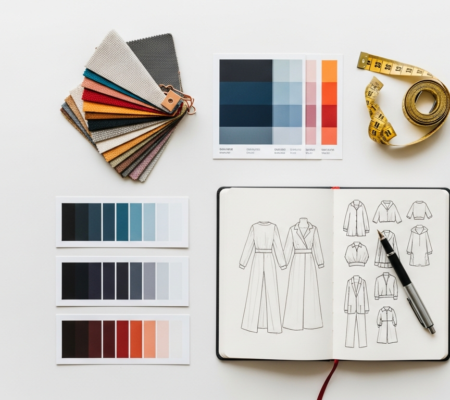
Next, define your ideal color palette. Most minimalist wardrobes thrive on a foundation of neutrals (black, white, grey, navy, beige, olive). These colors are incredibly versatile and allow for endless mixing and matching. Then, introduce 2-4 accent colors that you love and that flatter your skin tone. These might be a vibrant jewel tone, a soft pastel, or a bold primary color. The key is cohesion – ensuring most items can be worn together.
Pinpoint Your Signature Pieces & Silhouettes
What are those items that you consistently feel great in? Is it a tailored blazer, a perfect pair of dark-wash jeans, a flowy midi dress, or a comfortable cashmere sweater? These are your signature pieces. Identify the silhouettes that flatter your body type and make you feel confident. For example, if A-line skirts always make you feel amazing, lean into that. If high-waisted trousers are your jam, build around them. This self-awareness is crucial to building a wardrobe that’s not just minimalist, but genuinely yours.
Phase 3: Building Your Core Capsule – The Art of Intentional Pairing
Now that you know what you have and what you love, it’s time to consciously build your core capsule. This is where the magic of versatility truly comes alive, allowing you to create a minimalist wardrobe you actually wear with ease and confidence.
Focus on Versatility: The 3x Rule
Every item you bring into your capsule should ideally be able to be styled in at least three different ways with other pieces you already own. This forces you to think intentionally about how each garment contributes to the overall functionality of your wardrobe. A simple black t-shirt, for example, could be worn with jeans for a casual look, tucked into a skirt for a polished vibe, or layered under a blazer for the office.
Invest in High-Quality, Durable Pieces
A cornerstone of minimalist dressing is investing in quality over quantity. Instead of buying five cheap blouses that will fall apart after a few washes, invest in one or two well-made blouses from natural, durable fabrics like cotton, linen, silk, or merino wool. These items will last longer, look better, and often feel more comfortable against your skin. Think about cost-per-wear: a $100 sweater worn 100 times costs $1 per wear, while a $20 sweater worn 5 times costs $4 per wear.
The Foundational Pieces: Neutrals are Your Friends
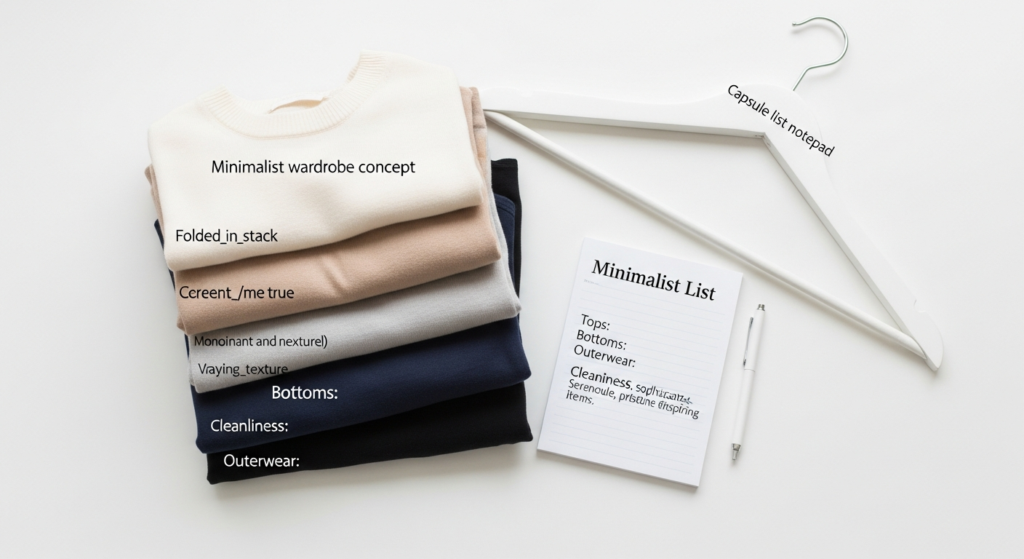
Your core capsule will largely consist of neutral colors because they are endlessly mix-and-matchable. Here’s a typical breakdown of essential categories, but remember to adapt it to your style and lifestyle:
Tops (5-7 pieces):
- Basic Tees: 2-3 in neutral colors (white, black, grey, navy). Look for different necklines (crew, V-neck) or sleeve lengths.
- Versatile Blouse/Shirt: 1-2 button-downs or elegant blouses that can be dressed up or down. A classic white shirt or a silk camisole are excellent choices.
- Sweaters/Cardigans: 1-2 quality knits for layering and warmth. A fine-gauge merino wool sweater or a comfortable cardigan.
Bottoms (3-4 pieces):
- Perfect Jeans: 1-2 pairs that fit impeccably and flatter your figure (e.g., dark wash straight leg, a classic skinny, or a comfortable wide leg).
- Tailored Trousers: 1 pair in a neutral color (black, navy, grey) that can be dressed up for work or paired casually.
- Versatile Skirt/Dress: 1-2 pieces that can transition from day to night. A black pencil skirt, a classic A-line, or a comfortable black or navy midi dress.
Outerwear (2-3 pieces):
- Classic Blazer: A well-fitting blazer in black, navy, or a neutral check instantly elevates any outfit.
- Transitional Jacket: A trench coat, a denim jacket, or a chic leather jacket.
- Seasonal Coat: A wool coat for winter, depending on your climate.
Shoes (3-4 pairs):
- Comfortable Everyday Shoes: Stylish sneakers, loafers, or ankle boots.
- Dressier Option: Heels or elegant flats.
- Seasonal Option: Sandals for summer or weather-appropriate boots.
Build Around Your Lifestyle: An Example
If you’re a busy professional, your capsule might lean more towards tailored pieces. If you’re a creative entrepreneur working from home, comfortable yet stylish loungewear and elevated basics will be your foundation. The goal is a curated selection where every item is a “workhorse” that earns its spot in your closet.
By thoughtfully assembling these core components, you create a robust foundation that can be adapted for any occasion, proving that building a minimalist wardrobe you actually wear isn’t about restriction, but liberation.
Phase 4: Smart Shopping & Sustainable Practices
Now that you have a clear vision of your personal style and the gaps in your wardrobe, it’s time to shop—but with a whole new mindset. This phase is about mindful consumption, ethical choices, and ensuring longevity for your beloved pieces.
The “One In, One Out” Rule
To maintain your minimalist wardrobe, adopt the “one in, one out” rule. For every new item you purchase, commit to removing one item from your closet. This prevents clutter from creeping back in and forces you to continually evaluate what you truly value and wear. It’s a simple yet powerful habit for long-term wardrobe maintenance.
Prioritize Investment Pieces
Instead of constantly buying cheap, trendy items, shift your focus to investing in fewer, higher-quality pieces that will last for years. Think about timeless classics: a well-made cashmere sweater, a versatile leather handbag, a sturdy pair of boots, or a tailored blazer. These pieces often come with a higher upfront cost, but their durability, comfort, and timeless appeal make them far more economical in the long run (remember the cost-per-wear principle!). Research brands known for ethical production and sustainable practices where possible.
Embrace Second-Hand and Vintage
Sustainable fashion isn’t just about buying new ethical brands; it’s about extending the life of existing garments. Thrifting, consignment stores, and online resale platforms (like The RealReal, Vestiaire Collective, Poshmark, eBay) are fantastic resources for finding unique, high-quality pieces at a fraction of their original price. You can uncover hidden gems, score designer items, and give clothes a second life, all while being environmentally conscious and finding truly individual pieces for your minimalist wardrobe.
Avoid Impulse Buys: The 30-Day Rule
We’ve all fallen victim to the impulse purchase. To combat this, implement the “30-day rule.” If you see something you want, wait 30 days before buying it. If you still think about it, still need it, and it fits perfectly into your defined style and existing wardrobe after that time, then consider purchasing. Often, the desire will pass, saving you money and closet space.
Care for Your Clothes Like They’re Treasures
Proper garment care significantly extends the life of your clothes. Learn how to wash different fabrics, air-dry delicate items, and store things correctly (e.g., folding knits instead of hanging them to prevent stretching). Learn basic mending skills like sewing on a button or fixing a loose hem. Consider professional dry cleaning for special items. Treating your clothes with respect is a key part of sustainable and mindful consumption.
Rent for Special Occasions
Do you really need to own that sequined gown you’ll wear once? For special events, consider renting dresses or accessories from services like Rent the Runway. It’s a cost-effective and space-saving solution that prevents accumulating single-use items in your minimalist wardrobe.
Phase 5: Accessorizing & Personalizing Your Minimalist Look
The beauty of a minimalist wardrobe is its canvas-like quality. With a foundation of versatile basics, accessories become your secret weapon for personal expression, elevating simple outfits and injecting personality without cluttering your closet with excessive clothing. This is how you truly personalize and maximize your minimalist wardrobe you actually wear.
The Power of Shoes
Shoes can completely transform an outfit. A simple pair of jeans and a white tee look entirely different with:
- Sleek Sneakers: Casual and cool.
- Classic Loafers: Polished and preppy.
- Heeled Ankle Boots: Edgy and chic.
- Strappy Sandals: Feminine and summery.
Invest in 3-5 high-quality, versatile pairs of shoes that match your lifestyle and core color palette. They will define the tone of your outfit more than almost anything else.
Bags: Function Meets Fashion
Like shoes, handbags are both practical and powerful style statements. You don’t need dozens. Aim for 2-3 core bags:
- Everyday Carry-All: A stylish tote or crossbody in a neutral color that fits your daily essentials.
- Evening/Special Occasion Bag: A clutch or smaller, elegant bag for dressier events.
- Casual Option: A chic backpack or a canvas tote for relaxed outings.
Consider material and durability. A classic leather bag will last for years and elevate even the simplest ensemble.
Jewelry: Your Signature Sparkle
Jewelry is one of the easiest ways to add personality without adding bulk. Curate a small collection of pieces you truly love and that reflect your aesthetic:
- Everyday Essentials: Simple stud earrings, a delicate necklace, a watch.
- Statement Pieces: A bold necklace, a chunky bracelet, or an eye-catching pair of earrings that can instantly elevate a basic outfit for a special occasion.
Mix metals, play with textures, and don’t be afraid to experiment with vintage finds. Jewelry can tell your story.
Scarves: The Ultimate Versatile Accessory
A few carefully chosen scarves can offer endless styling possibilities. Use them to:
- Add a pop of color or print to a neutral outfit.
- Provide warmth or sun protection.
- Tie around your neck, head, or handbag handle.
- Even wear as a top or sarong in warm weather.
Silk scarves, linen scarves, or cozy knit scarves all serve different purposes and add instant chic.
Belts: Cinch and Define
A belt can instantly change the silhouette of an outfit. Cinch a blazer, define your waist in a flowy dress, or add a polished touch to jeans. A simple black and a simple brown belt are often all you need, though a patterned or colored belt can be a fun accent piece.
By thoughtfully integrating accessories, you extend the life and versatility of your core wardrobe pieces. You can wear the same base outfit repeatedly, yet create a completely different impression each time, proving that your minimalist wardrobe is anything but boring—it’s endlessly creative.
Living with Your Minimalist Wardrobe: Maintenance & Evolution
Creating a minimalist wardrobe isn’t a one-and-done project; it’s an ongoing journey of refinement and self-discovery. It’s about cultivating a mindful relationship with your clothes and embracing the freedom it brings.
Regular Check-Ins: The Seasonal Edit
About twice a year, typically at the change of seasons (e.g., spring/summer and autumn/winter), conduct a mini-audit. As your body changes, your style evolves, and new needs arise, some items may no longer serve you. Pull out your clothes, re-evaluate, and ensure everything still earns its place in your curated collection. This prevents clutter from building up again and ensures your wardrobe stays functional and inspiring.
Embrace Seasonal Layers, Not More Clothes
Instead of a completely separate seasonal wardrobe, think in terms of adding and subtracting layers. Your core capsule should be adaptable. In warmer months, shed layers and focus on lighter fabrics. In colder months, add cardigans, sweaters, scarves, and coats. The goal is intelligent layering that maximizes your existing pieces, not an entirely new set of clothes for each season.
Resist the Urge to Accumulate
This is perhaps the hardest part! The allure of new trends, sales, and the dopamine hit of a purchase can be strong. Remind yourself of the “why” behind your minimalist wardrobe. Follow your “30-day rule.” Unsubscribe from promotional emails from tempting retailers. Focus on the joy and ease your curated wardrobe brings you, rather than the fleeting excitement of a new item.
Mend, Don’t Replace
Foster a relationship with your clothes where mending is preferred over discarding. Learn basic sewing skills, find a good local tailor, or even attend a mending workshop. A small tear, a missing button, or a hem that needs adjusting shouldn’t mean the end of an item’s life. This not only saves money but also instills a greater appreciation for your garments.
The Freedom and Confidence It Brings
Living with a minimalist wardrobe offers a profound sense of freedom. You’ll spend less time stressing about what to wear, less money on clothes you don’t truly love, and more mental energy on what truly matters. You’ll develop a stronger sense of personal style, understanding what genuinely makes you feel good. This confidence radiates, empowering you in every aspect of your life.
Creating a minimalist wardrobe you actually wear is a journey of intentionality, self-awareness, and personal growth. It’s about designing a closet that supports your lifestyle, reflects your authentic self, and brings ease and joy to your everyday routine. So, take a deep breath, trust the process, and get ready to experience the liberating power of a curated closet that works as hard as you do, and makes you feel effortlessly fabulous while doing it. Your smart, simplified style awaits!
FAQ: Your Minimalist Wardrobe Questions Answered
Still have questions about creating your dream minimalist wardrobe? We’ve got you covered with some of the most common queries.
Q: How many items should be in a minimalist wardrobe?
A: There’s no magic number, as it depends entirely on your lifestyle, climate, and personal needs. Popular capsule wardrobe challenges often suggest numbers like 33 or 40 items (including shoes and accessories, excluding intimates and loungewear). However, focus less on the exact number and more on ensuring every item is loved, versatile, and serves a clear purpose. It could be 20, or it could be 50—the key is intentionality, not strict adherence to a count.
Q: Can I still follow trends with a minimalist wardrobe?
A: Absolutely! A minimalist wardrobe isn’t about being boring or sacrificing style. It’s about being strategic. Incorporate trends through accessories (scarves, jewelry, shoes, handbags), or by adding one or two trendy, lower-cost items that can easily be swapped out when the trend fades. Keep your core capsule timeless, and let accessories and a few well-chosen accent pieces be your fashion playground.
Q: What if my job requires very specific outfits, like uniforms or formal wear?
A: Your work wardrobe can be considered a separate, smaller capsule within your overall minimalist wardrobe. Focus on creating a functional, cohesive set of clothes specifically for your job requirements. For example, if you need scrubs, have a set number that covers your work week. If you need business professional attire, build a mini-capsule of versatile suits, blouses, and trousers that mix and match easily. The principles of versatility and quality still apply.
Q: How do I store clothes I only wear seasonally (e.g., heavy winter coats in summer)?
A: Seasonal storage is key. Once you’ve done your seasonal edit, pack away out-of-season items in airtight containers, garment bags, or vacuum-seal bags to protect them from dust, moths, and humidity. Store them in a discreet place like under your bed, in a spare closet, or in an attic/basement. This frees up valuable space in your everyday closet, making it easier to see and access what you’re currently wearing.
Q: I have a lot of sentimental items. How do I deal with those in a minimalist wardrobe?
A: Sentimental items are tricky. First, ask yourself if wearing them brings you joy or if the joy comes from the memory itself. If it’s the latter, consider designating a small “memory box” for truly special pieces (like your wedding dress, a beloved grandmother’s scarf, or a significant concert tee). If you don’t wear it, display it in an artful way, or photograph it and keep the photo. The goal isn’t to purge everything, but to ensure that items taking up space in your active wardrobe are genuinely being used and loved.