
10 Transformative Mental Health Habits for Sustainable Happiness in 2026
In our fast-paced, hyper-connected world, happiness often feels like a fleeting emotion—a destination we are constantly trying to reach rather than a state of being we can cultivate. However, as we move into 2026, the global perspective on wellness has shifted significantly. We are no longer looking for “quick fixes” or temporary highs. Instead, the focus has turned toward sustainable mental health habits that build emotional resilience and long-term fulfillment. Happiness is not a matter of luck; it is a byproduct of the systems we build into our daily lives. By integrating intentional mental health habits into your wellness routine, you can rewire your brain for positivity, manage stress more effectively, and create a foundational sense of peace. This guide explores the most effective, science-backed habits to help you navigate the complexities of modern life while maintaining a joyful, balanced mind.
The Science of Habit Formation and Emotional Resilience
To understand why mental health habits are so effective, we must first look at the concept of neuroplasticity. Our brains are not static; they are constantly being reshaped by our thoughts, actions, and environments. When we repeat a behavior consistently, we strengthen the neural pathways associated with that action. In the context of mental health, this means we can literally “train” our brains to be more resilient and positive.
In 2026, the “Atomic Habits” philosophy has evolved into “Neuro-Habit Stitching”—the practice of attaching a new mental health exercise to an existing physical routine. For example, practicing a moment of gratitude while your morning coffee brews. The key to making these habits stick is starting small. When we set overly ambitious goals, we often trigger the brain’s “fight or flight” response to change, leading to burnout. By focusing on micro-habits—small, manageable actions that take less than five minutes—we bypass this resistance. Over time, these small shifts accumulate, creating a massive shift in our overall emotional well-being. Resilience isn’t about never facing hardship; it’s about having a pre-built internal infrastructure that allows you to bounce back when life gets difficult.
Designing a High-Vibrational Morning Routine
The first hour of your day sets the emotional tone for the remaining fifteen. In previous years, many of us fell into the trap of “reactive mornings,” where the first thing we did was check emails or scroll through social media. This immediately puts the brain into a state of comparison and stress. In 2026, the trend has shifted toward the “Proactive Morning,” focusing on low-stimulation starts.
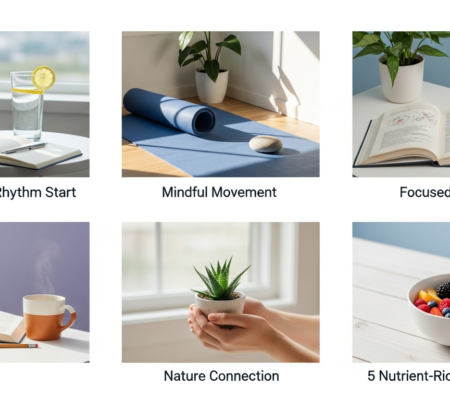
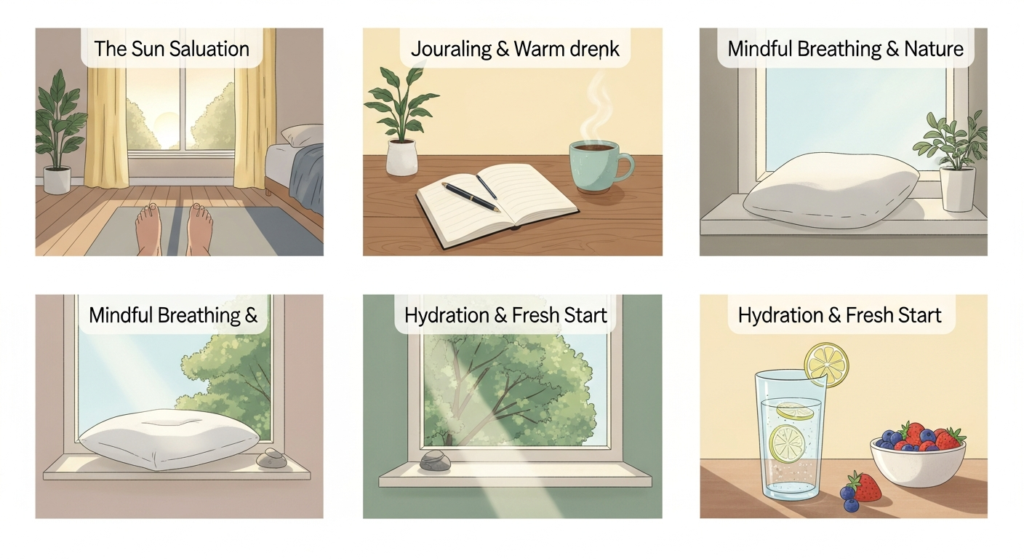
A high-vibrational morning routine begins with hydration and natural light. Exposure to sunlight within thirty minutes of waking helps regulate your circadian rhythm, which is essential for serotonin production—the hormone responsible for stabilizing our mood. Following this with a “Brain Dump” or a five-minute journaling session allows you to externalize any lingering anxieties from the night before.
Furthermore, intentional movement—whether it’s light stretching, yoga, or a brief walk—releases endorphins that act as natural stress-fighters. The goal of a morning routine for happiness isn’t productivity; it’s presence. When you start your day by grounding yourself in the physical world rather than the digital one, you reclaim your agency and enter the day with a sense of calm authority.
Digital Minimalism and the “Slow Tech” Movement
As technology becomes even more integrated into our lives, the habit of digital minimalism has become a non-negotiable for mental health. Constant notifications and the “infinite scroll” of social platforms keep our dopamine systems in a state of perpetual overstimulation, leading to “digital fatigue” and increased anxiety.
To combat this, many are adopting “Slow Tech” habits. This involves setting strict digital boundaries, such as “No-Phone Zones” in the bedroom and dining area. A powerful mental health habit is the “Digital Sunset,” where all screens are turned off 60 to 90 minutes before bed. This not only improves sleep quality but also allows the mind to decompress from the day’s information overload.
Another essential habit is the “Curated Feed.” We often forget that we have control over the information we consume. Periodically auditing who you follow and what content you engage with ensures that your digital environment inspires you rather than drains you. By choosing intentionality over mindless consumption, you protect your mental energy and create space for more meaningful, real-world interactions.
The Physical Pillars: Nutrition, Gut Health, and Movement
The “mind-body connection” is more than just a wellness catchphrase; it is a physiological reality. Research into the “gut-brain axis” has reached new heights in 2026, revealing that a significant portion of our body’s serotonin is produced in the digestive tract. Therefore, what we eat directly impacts how we feel.
A habit for happiness must include a diet rich in whole foods, prebiotics, and probiotics that support a healthy microbiome. Reducing the intake of ultra-processed sugars—which cause inflammation and mood swings—can lead to more stable energy levels and a clearer mind.
Physical movement is equally vital. However, the focus has shifted from high-intensity “grind” culture to “joyful movement.” This means choosing activities that you actually enjoy, whether it’s dancing, hiking, or swimming. When exercise feels like a punishment, it adds to your stress levels. When it feels like play, it becomes a powerful tool for emotional release. Regular physical activity increases the levels of BDNF (brain-derived neurotrophic factor), a protein that supports neuron growth and cognitive function, making it one of the best natural antidepressants available.
Cultivating Connection: The Habit of Social Wellness
Human beings are inherently social creatures, yet modern life can often feel incredibly isolating. One of the most important habits for happiness is the intentional cultivation of social connection. This goes beyond just “hanging out.” It involves deep, vulnerable communication and the practice of active listening.
In 2026, the concept of “Micro-Connections” has gained popularity. This involves making a conscious effort to have small, positive interactions with people throughout the day—a brief chat with a neighbor, a compliment to a coworker, or a genuine “thank you” to a service worker. These small exchanges boost oxytocin levels for both parties.
On a deeper level, scheduling “Connection Blocks” in your weekly routine ensures that your most important relationships don’t get sidelined by a busy schedule. Whether it’s a weekly phone call with a parent or a monthly dinner with friends, these habits create a safety net of emotional support. Additionally, practicing altruism—the habit of helping others—has been shown to create a “helper’s high,” significantly increasing long-term life satisfaction.
Evening Decompression: Processing the Day for Better Sleep
How you end your day is just as important as how you begin it. Without a proper evening decompression habit, we carry the stress and “clutter” of the day into our sleep, leading to vivid dreams, restlessness, and waking up feeling unrefreshed.
A successful evening routine focuses on “closing the loops.” This might include reviewing your calendar for the next day to alleviate “anticipatory anxiety” or using the “3 Wins” method—writing down three things that went well during the day, no matter how small. This shifts the brain’s focus from what went wrong (our natural negativity bias) to what went right.
Deep breathing exercises or progressive muscle relaxation can also help signal to the nervous system that it is safe to transition from the “sympathetic” (fight or flight) state to the “parasympathetic” (rest and digest) state. By making sleep hygiene a priority, you ensure that your brain has the time it needs to process emotions and clear out metabolic waste, leaving you emotionally resilient for the day ahead.
Frequently Asked Questions
#
1. How long does it actually take to form a new mental health habit?
While the old myth says 21 days, modern research suggests that it takes an average of 66 days for a new behavior to become automatic. However, this varies depending on the complexity of the habit and your individual lifestyle. The key is consistency over perfection; missing one day won’t ruin your progress, but missing two or more can stall the habit-building process.
#
2. Can daily habits really replace the need for professional therapy?
Mental health habits are tools for maintenance and prevention, but they are not a replacement for professional clinical help when needed. Think of habits as your daily “mental hygiene”—like brushing your teeth—while therapy is like going to the dentist for a deeper issue. For those dealing with severe depression or anxiety, these habits should be used in conjunction with professional treatment.
#
3. I’m overwhelmed; what is the single best habit to start with?
If you can only choose one, start with a “Digital-Free Morning Hour.” Most of our modern stress stems from immediate morning overstimulation. Giving your brain an hour to wake up naturally without the influence of the internet will have the most significant immediate impact on your stress levels and focus.
#
4. How do I stay consistent when I’m having a bad day?
Adopt the “Never Miss Twice” rule. Everyone has bad days where habits fall by the wayside. The goal isn’t to be perfect; it’s to return to your routine as quickly as possible. On very low-energy days, try a “scaled-down” version of your habit. If you can’t do a 30-minute walk, do a 2-minute stretch. Keeping the “thread” of the habit alive is more important than the intensity.
#
5. Does my diet really affect my happiness that much?
Yes. Approximately 90-95% of your serotonin is produced in your gut. A diet high in processed foods and sugar can cause gut inflammation, which is linked to higher rates of anxiety and depression. Integrating “brain foods” like walnuts, fatty fish, leafy greens, and fermented foods can significantly stabilize your mood and improve cognitive clarity.
Conclusion: Embracing the Journey to Joy
Building mental health habits for happiness is a journey, not a destination. As we navigate the landscape of 2026, it is clear that our emotional well-being is our most valuable asset. It is not something that happens to us, but something we create through the small, intentional choices we make every single day.
By prioritizing morning rituals, setting digital boundaries, nourishing your body, and fostering deep connections, you are doing more than just “feeling better”—you are building a life of substance and resilience. Remember that the goal of these routines is to serve you, not for you to serve the routines. Be gentle with yourself as you implement these changes. Happiness is a practice, and with every mindful breath, every gratitude journal entry, and every step taken in nature, you are mastering that practice. Start today with one small habit, and watch as the ripples of that choice transform your mental landscape for years to come.