
Mastering Rest: The Ultimate Guide to Sleep Hygiene Tips for 2026
In the fast-paced landscape of 2026, the concept of “wellness” has shifted from a luxury to a fundamental necessity. As we navigate an era defined by hyper-connectivity, AI integration, and the constant demand for peak performance, one element remains the bedrock of human health: sleep. Sleep hygiene—the collection of habits and environmental factors that precede a good night’s rest—has evolved beyond simple advice like “avoid caffeine.” Today, it is a sophisticated practice of circadian alignment and nervous system regulation. Whether you are a high-performer looking to sharpen your cognitive edge or someone rebuilding your daily habits for better mental health, mastering your sleep is the single most effective intervention you can make. In 2026, we understand that sleep isn’t just “down-time”; it is an active state of neurological detoxification and physical repair. This guide provides the most up-to-date, evidence-based strategies to optimize your rest and reclaim your vitality in the modern world.
1. Creating a Sensory Sanctuary: The 2026 Bedroom Environment
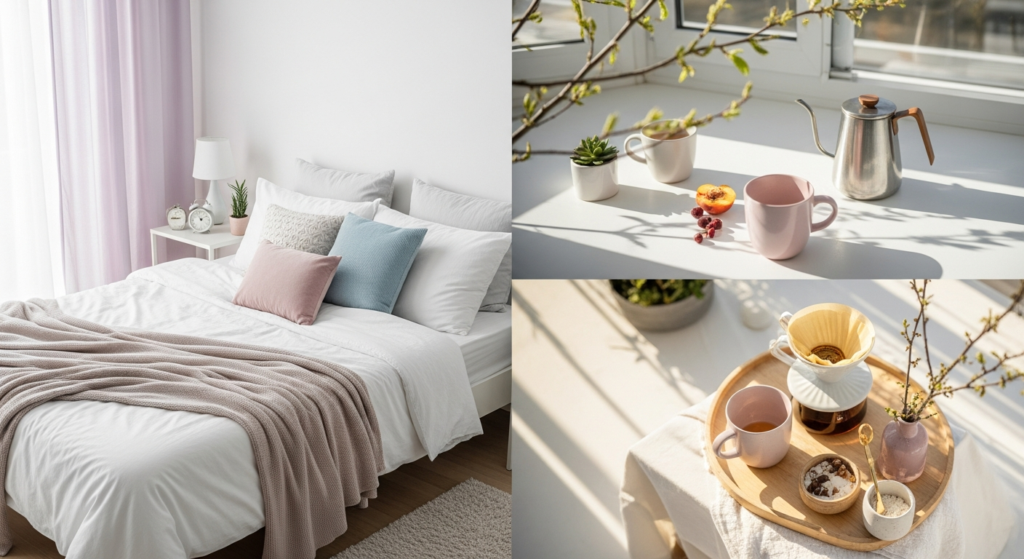
In 2026, the bedroom is no longer just a place to store a bed; it is treated as a “sensory sanctuary” designed specifically for recovery. Environmental optimization is the first pillar of high-level sleep hygiene. Research continues to show that our brains remain hyper-vigilant to environmental cues even while we sleep, meaning small disruptions can pull us out of deep or REM cycles without us ever fully waking up.
#
Temperature Control and Smart Fabrics
The biological imperative for sleep is a drop in core body temperature. In 2026, we have moved beyond standard cotton sheets. Modern sleep hygiene utilizes “phase-change materials” (PCM) and smart fabrics that actively wick moisture and regulate heat. Setting your thermostat to approximately 65°F (18°C) is the gold standard, but many now utilize localized cooling toppers that maintain a precise temperature throughout the night, mimicking the natural cooling of the earth after sunset.
#
Soundscaping and Noise Neutralization
The sound environment has also evolved. While “white noise” was popular in the past, 2026 sleep science favors “pink noise” or “brown noise,” which have deeper frequencies that more closely mirror natural sounds like steady rain or distant thunder. These frequencies have been shown to enhance slow-wave sleep. Additionally, ensuring your room is “acoustically sealed” from the hum of modern technology and city life is essential for preventing micro-arousals.
#
Light Pollution and Total Darkness
Even the smallest amount of light—such as the LED on a charging device—can penetrate the eyelids and suppress melatonin production. Use 100% blackout curtains and eliminate all “vampire lights” from electronics. If total darkness isn’t possible, a high-quality weighted silk eye mask has become a staple for 2026 wellness enthusiasts, providing both darkness and gentle pressure to stimulate the vagus nerve.
2. The Morning Anchor: Circadian Alignment Starts at Sunrise
A common misconception is that sleep hygiene begins in the evening. In reality, the quality of your sleep is determined the moment you wake up. Circadian rhythm—the 24-hour internal clock—requires a “morning anchor” to set the timer for melatonin production later that night.
#
Natural Light Exposure
The most critical habit for 2026 is getting 10 to 20 minutes of direct sunlight within the first hour of waking. This triggers the release of cortisol (the “alertness” hormone) and sets a biological countdown for the release of melatonin approximately 14 to 16 hours later. If you live in a climate with dark winters, the use of a 10,000-lux light box is a non-negotiable tool for maintaining this rhythm.
#
Movement and Body Temperature
Physical activity in the morning further signals to your body that the day has begun. Even a five-minute stretch or a brisk walk increases your core body temperature, widening the gap between your daytime peak temperature and your nighttime low. This “thermal amplitude” is a key driver of sleep drive.
#
The Caffeine Curfew
While caffeine is a staple of modern productivity, its half-life remains unchanged. In 2026, the “Caffeine Curfew” is widely recognized as 2:00 PM (or 10 hours before bed). Caffeine blocks adenosine receptors—adenosine is the chemical that builds “sleep pressure” throughout the day. By clearing caffeine early, you allow adenosine to accumulate naturally, ensuring that when your head hits the pillow, your brain is actually ready for rest.
3. The Digital Sunset and AI-Managed Wind-Downs
As our lives become increasingly integrated with digital interfaces, the “Digital Sunset” has become the most challenging yet rewarding sleep hygiene tip for 2026. The blue light emitted by screens is only half the problem; the psychological stimulation (the “dopamine loop”) is the other.
#
Two-Hour Tech Disconnect
Ideally, all screens should be powered down two hours before sleep. In 2026, many people utilize “Analog Hours,” where they switch to reading physical books, journaling, or engaging in hobbies that do not involve a backlit screen. If screens are unavoidable, the use of advanced blue-light blocking glasses (that filter both blue and green light) is essential.
#
AI Integration for Wellness
Ironically, the same technology that can disrupt sleep is now being used to save it. Many 2026 wellness routines include AI assistants that automatically dim the lights in the home to a warm amber hue at 8:00 PM and switch phones to “grayscale” mode. These automated cues act as external “pacemakers” for our biology, removing the need for willpower in maintaining habits.
#
Avoiding “Infinite Scroll”
The psychological impact of social media and news “doom-scrolling” creates a state of sympathetic nervous system arousal (fight or flight). By implementing a hard rule against checking emails or social media after 8:00 PM, you allow your heart rate variability (HRV) to increase, signaling to the brain that it is safe to transition into a parasympathetic (rest and digest) state.
4. Nutritional Strategies for Deep Recovery
What you eat, and more importantly, *when* you eat, plays a massive role in sleep architecture. In 2026, the concept of “chrononutrition” has gone mainstream, focusing on how food timing affects our internal clocks.
#
The Three-Hour Rule
Digestion is a metabolically intensive process that raises core body temperature. To achieve deep sleep early in the night, your last meal should be completed at least three hours before bed. This prevents the body from diverting energy to digestion when it should be focused on cellular repair and memory consolidation.
#
Magnesium and Micronutrients
Magnesium has become the “mineral of 2026” for sleep hygiene. It helps regulate neurotransmitters that quiet the nervous system, such as GABA. Including magnesium-rich foods (like pumpkin seeds, spinach, and dark chocolate) in your dinner, or using a high-bioavailability supplement like magnesium glycinate, can significantly reduce sleep latency (the time it takes to fall asleep).
#
Glycemic Stability
Spikes and crashes in blood sugar can lead to middle-of-the-night awakenings. Avoiding high-sugar snacks before bed prevents the “hypoglycemic dip” that causes the body to release cortisol and adrenaline in the early hours of the morning. Instead, a small snack of healthy fats or complex carbohydrates (like a handful of walnuts or a small bowl of oats) can provide steady energy for the brain throughout the night.
5. Somatic Practices: Calming the Nervous System
In a high-stress world, many people suffer from “tired but wired” syndrome. Their bodies are exhausted, but their nervous systems are stuck in a state of high alert. 2026 sleep hygiene emphasizes somatic (body-based) practices to manually flip the switch from stress to rest.
#
Breathwork and NSDR
Non-Sleep Deep Rest (NSDR) and specific breathwork protocols, such as the 4-7-8 technique or box breathing, are powerful tools. By lengthening the exhalation, you stimulate the vagus nerve, which slows the heart rate and lowers blood pressure. Just five minutes of intentional breathing before bed can be more effective than any sedative for many individuals.
#
Temperature Cycling: The Hot Bath Effect
One of the most effective ways to trigger the sleep-inducing drop in core temperature is to take a hot bath or sauna one to two hours before bed. When you emerge from the heat, your blood vessels are dilated, and your body rapidly dumps heat to the environment. This rapid cooling mimics the natural biological signal for sleep, often leading to a much faster transition into deep sleep.
#
Journaling and “Brain Dumping”
Cognitive arousal—worrying about tomorrow’s to-do list—is a primary cause of insomnia. The 2026 habit of “Brain Dumping” involves writing down every task, worry, or thought on paper before leaving the living room for the bedroom. This externalizes the information, allowing the brain to “offload” the responsibility of remembering, which reduces pre-sleep anxiety.
6. The Data Dilemma: Tracking Without Obsessing
By 2026, wearable sleep trackers have become nearly ubiquitous. However, a new challenge has emerged: *orthosomnia*, or the anxiety caused by trying to achieve “perfect” sleep data. Modern sleep hygiene requires a balanced approach to technology.
#
Use Data as a Trend, Not a Grade
Instead of stressing over a single night’s “sleep score,” look at weekly and monthly trends. Are your habits leading to more REM sleep over time? Is your resting heart rate trending down? Using data as a compass rather than a judge allows you to make informed adjustments to your routine without the added stress that keeps you awake.
#
Listen to Your Subjective Feeling
Despite the precision of 2026 wearables, your subjective feeling of “readiness” remains the most important metric. If your tracker says you slept poorly, but you feel energized, trust your body. Sleep hygiene is about building intuition, not just following an algorithm.
#
Identifying Sleep Disorders
If you follow all the hygiene tips and still feel chronically fatigued, 2026 medical advice emphasizes the use of home sleep tests to rule out conditions like sleep apnea or restless leg syndrome. No amount of “hygiene” can fix a clinical sleep disorder, and early intervention is key to long-term health.
FAQ: Common Sleep Hygiene Questions for 2026
**Q: Is it okay to use an AI sleep coach?**
**A:** Yes, AI sleep coaches in 2026 are highly effective at identifying patterns in your behavior that you might miss. They can suggest optimal bedtimes based on your unique chronotype and daily activity levels.
**Q: Does “sleeping in” on weekends ruin my hygiene?**
**A:** Ideally, you should maintain the same wake-up time within a 30-minute window every day, including weekends. “Social jetlag” caused by late nights and late mornings on weekends can disrupt your circadian rhythm for the entire following week.
**Q: Are weighted blankets still recommended in 2026?**
**A:** Absolutely. Weighted blankets provide deep pressure stimulation, which helps reduce cortisol levels and increase serotonin. In 2026, many models are now designed with cooling glass beads to prevent overheating.
**Q: How does 2026 technology address snoring?**
**A:** Beyond traditional CPAP machines, 2026 offers smart pillows that gently adjust your head position when they detect snoring sounds, helping to keep airways open without waking the sleeper.
**Q: Can I drink alcohol and still have good sleep hygiene?**
**A:** While alcohol is a sedative, it is a “sleep thief.” It fragments sleep and suppresses REM cycles. For optimal 2026 hygiene, it is recommended to stop drinking alcohol at least 4 hours before bed and limit it to special occasions.
Conclusion: Investing in Your Future Self
As we progress through 2026, it is clear that sleep is the ultimate high-performance habit. It is the time when our brains wash away metabolic waste, our muscles rebuild, and our emotions are processed. By implementing these sleep hygiene tips—from environmental optimization to nervous system regulation—you aren’t just getting “rest”; you are performing a vital maintenance routine for your most precious asset: your health.
Building a better sleep routine doesn’t happen overnight. Start by picking one “morning anchor” and one “evening sunset” habit. As these become second nature, layer in more advanced strategies. In a world that never stops, the ability to consciously slow down and rest deeply is a superpower. Make 2026 the year you master your sleep, and you will find that every other area of your life—your focus, your mood, and your longevity—will follow suit.