
The Unspoken Cost of Your Closet: Why We Need to Talk About Slow Fashion
You stand in front of your wardrobe, brimming with clothes, yet feel like you have nothing to wear. Sound familiar? We’ve all been there. That rush of a new purchase, the thrill of a trend, quickly fades, leaving behind a pile of garments that don’t quite fit, unravel after a few washes, or simply don’t spark joy anymore. This cycle of buying, discarding, and repeating isn’t just exhausting for your wallet and your mental space; it’s quietly taking a massive toll on our planet and the people who make our clothes.
But what if there was a different way? A path to a wardrobe that genuinely serves you, aligns with your values, and feels empowering rather than overwhelming? Enter slow fashion. This isn’t just another fleeting trend; it’s a powerful movement towards a more conscious, sustainable, and ethical relationship with our clothing. It’s about slowing down, tuning in, and making choices that truly matter. At Sometimes Daily, we believe self-care extends to every aspect of your life, including your closet, and understanding what is slow fashion and why it matters is a vital step on that journey.
In this comprehensive guide, we’re going to dive deep into the world of slow fashion. We’ll uncover its true meaning, explore its profound impact on our environment and communities, and most importantly, equip you with actionable strategies to integrate its principles into your own life. Get ready to transform your shopping habits, elevate your personal style, and feel incredibly good about your choices – one mindful step at a time.
What is Slow Fashion, Anyway? Unpacking the Movement
Let’s cut through the jargon and get straight to the heart of it: what is slow fashion? At its core, slow fashion is a philosophy and a practice that advocates for a slower, more intentional, and holistic approach to creating and consuming clothing. It stands in direct opposition to “fast fashion,” which prioritizes rapid production, fleeting trends, low costs, and high volumes.
Think of it like the difference between a homemade, slow-cooked meal made with fresh, local ingredients versus a mass-produced, highly processed convenience meal. Both provide sustenance, but one offers nourishment, flavor, and a connection to its origins, while the other is often just about speed and affordability, with hidden costs to health and the environment.
Slow fashion embraces:
- Quality over Quantity: Investing in durable, well-made pieces designed to last, rather than disposable items.
- Longevity and Durability: Focusing on clothing that can withstand wear, multiple washes, and evolving personal style, reducing the need for constant replacement.
- Ethical Production: Ensuring fair wages, safe working conditions, and respectful treatment for all workers involved in the supply chain, from farmers to factory workers.
- Environmental Stewardship: Minimizing the ecological footprint through sustainable material sourcing (organic, recycled, natural fibers), reduced water usage, non-toxic dyes, and decreased carbon emissions.
- Transparency: Brands openly sharing information about their manufacturing processes, supply chain, and social/environmental impact.
- Mindful Consumption: Encouraging consumers to think critically before buying, considering where a garment comes from, who made it, and its true cost.
- Appreciation for Craftsmanship: Valuing the skill, time, and artistry involved in creating beautiful clothing.
- Circular Economy Principles: Promoting practices like repairing, reusing, recycling, and upcycling to keep garments in circulation and out of landfills.
It’s important to understand that slow fashion isn’t about never buying new clothes again or adopting a strictly minimalist wardrobe (though it can certainly lead to that!). Instead, it’s about making conscious, informed choices, appreciating what you own, and extending the life of your garments. It’s a journey towards a more sustainable and fulfilling relationship with your personal style.
Why Slow Fashion Matters: The Profound Impact on Our World and Well-being
Now that we understand what is slow fashion, let’s explore the critical reasons why it matters so deeply. The implications of our clothing choices stretch far beyond our closets, touching every corner of the globe and influencing our own well-being.
The Environmental Toll of Fast Fashion
The scale of environmental damage caused by the fast fashion industry is staggering. It’s a major contributor to climate change and pollution:
- Water Consumption: Producing cotton for just one pair of jeans can require thousands of liters of water. The dyeing and finishing processes also consume enormous amounts of water, often discharging toxic wastewater into rivers, polluting ecosystems and harming communities.
- Chemical Pollution: From pesticides used in conventional cotton farming to hazardous dyes and finishes, the textile industry is one of the largest polluters of clean water globally. These chemicals can cause severe health problems for workers and contaminate local water sources.
- Textile Waste: The average person throws away 70 pounds of clothing each year, and a significant portion of this is fast fashion that ends up in landfills. Synthetic fabrics like polyester can take hundreds of years to decompose, releasing microplastics into our environment. Even natural fibers contribute to landfill methane emissions as they break down anaerobically.
- Carbon Emissions: The entire lifecycle of fast fashion – from growing raw materials, manufacturing, transporting across continents, and eventually disposing of garments – is incredibly carbon-intensive, contributing significantly to global warming.
The Human Cost: Ethical Concerns and Social Justice
Behind every suspiciously cheap garment is often a story of human exploitation. Fast fashion relies on a globalized supply chain where labor costs are driven down to the absolute minimum:
- Unsafe Working Conditions: Factory workers, often women and children, in developing countries face hazardous environments, long hours, and little to no protective equipment. Tragedies like the Rana Plaza collapse in Bangladesh, which killed over a thousand garment workers, are stark reminders of these dangers.
- Poverty Wages: Many garment workers are paid below minimum wage, unable to earn a living wage that covers basic necessities, trapping them in cycles of poverty.
- Child Labor and Modern Slavery: The drive for cheap labor can lead to the exploitation of vulnerable populations, including child labor and forced labor, particularly in parts of the raw material supply chain.
- Lack of Rights: Workers often lack fundamental rights, such as the ability to unionize, negotiate for better conditions, or even take sick leave without fear of losing their jobs.
The Personal Benefits: Beyond Good Deeds
Embracing slow fashion isn’t just about altruism; it profoundly benefits your own life:
- Better Quality, Longer Lasting: Investing in well-made pieces means clothes that look better, feel better, and last significantly longer, saving you money in the long run.
- Defined Personal Style: Moving away from fleeting trends encourages you to discover and cultivate a truly authentic personal style, leading to a wardrobe that reflects who you are.
- Reduced Clutter and Decision Fatigue: A curated wardrobe with versatile, beloved items means less clutter, less stress, and more effortless outfit choices.
- Peace of Mind: Knowing your clothes were made ethically and sustainably brings a sense of integrity and reduces the guilt associated with unconscious consumption.
- Financial Savings: While individual slow fashion pieces might have a higher upfront cost, their longevity and versatility mean you buy less often, leading to significant savings over time.
Understanding these impacts is the first step towards realizing that our choices truly have power. Slow fashion offers a pathway to making that power positive and transformative.
The Pillars of a Mindful Wardrobe: More Than Just Buying Less
Transitioning to slow fashion is more than just a reduction in shopping; it’s a holistic shift in mindset and habit. It involves several key pillars that collectively build a truly mindful and sustainable wardrobe. Think of these as your guiding principles on this empowering journey:
1. Prioritize Quality Over Quantity
This is arguably the cornerstone of slow fashion. Instead of chasing fleeting trends with cheap, disposable items, focus on investing in pieces that are well-constructed from durable materials. Before buying, ask yourself:
- “How long will this last?”
- “Will this fabric pill, stretch, or lose its shape quickly?”
- “Are the seams sturdy, and is the craftsmanship evident?”
Investing in higher quality means you buy less often, ultimately saving money and reducing waste. A well-made wool sweater, a classic pair of leather boots, or a tailored linen dress can be cherished for years, even decades, becoming staples in your wardrobe.
2. Embrace Sustainable and Ethical Sourcing
This pillar encourages you to look beyond the price tag and consider the origins of your clothes. Seek out brands that are transparent about their supply chain and committed to ethical labor practices and environmental responsibility. Look for:
- Certifications: Labels like GOTS (Global Organic Textile Standard) for organic cotton, Fair Trade Certified for ethical production, Bluesign for sustainable textile production, or B Corp certification for overall social and environmental performance.
- Sustainable Materials: Prioritize natural, renewable fibers (organic cotton, linen, hemp, Tencel, modal) or recycled materials (recycled polyester, recycled cotton). Avoid virgin synthetic fibers and conventionally grown cotton where possible.
- Local Production: Supporting local designers and manufacturers reduces carbon emissions from transportation and often ensures better labor oversight.
- Brand Transparency: Does the brand share information about its factories, worker wages, and environmental impact? Red flags include vague statements or a complete lack of information.
It’s about doing a little research and aligning your purchases with your values.
3. Care for What You Own
The longest-lasting garment is the one you already own. Extending the life of your clothes is one of the most impactful slow fashion practices. This means:
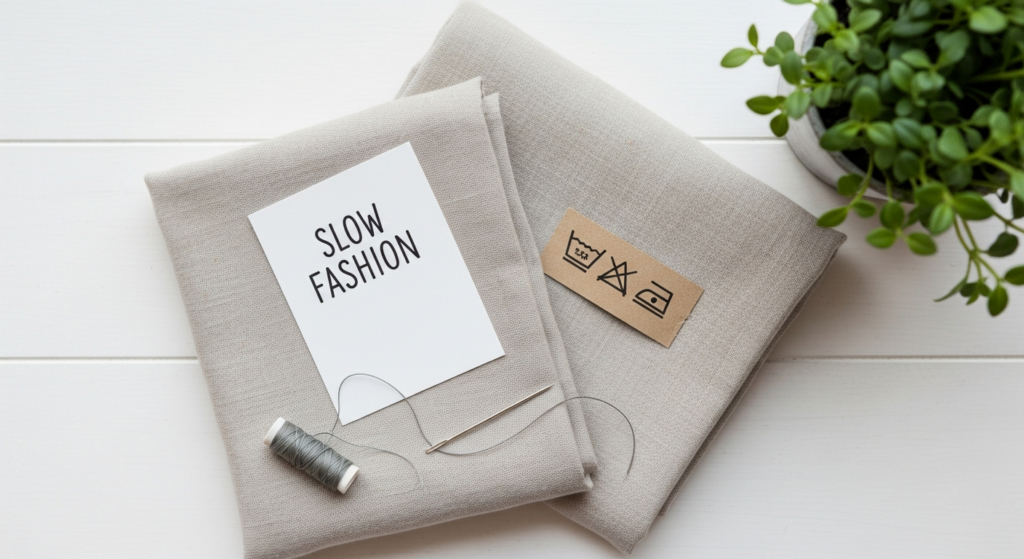
- Follow Care Labels: Washing clothes correctly (cold water, gentle cycle, air drying) can significantly prolong their life and reduce energy consumption.
- Learn Basic Mending: A missing button, a small tear, or a loose hem shouldn’t mean the end of a garment. Learning simple mending skills empowers you to repair and cherish your clothes. There are countless online tutorials for beginners!
- Store Properly: Fold sweaters to prevent stretching, hang delicate items carefully, and keep clothes clean and dry to prevent damage.
- Professional Care: For more complex repairs or cleaning, consider professional tailors or eco-friendly dry cleaners.
Treating your clothes with respect is an act of self-care for your wardrobe and a powerful statement against disposability.
4. Diversify Your Sourcing: Beyond New Purchases
Slow fashion isn’t solely about buying from “slow” brands. It’s about shifting your entire approach to acquiring clothes:
- Secondhand & Vintage: Thrifting, consignment stores, online marketplaces (like Poshmark, Depop, ThredUp), and vintage shops are treasure troves of unique, pre-loved garments that already exist. This is a fantastic way to find quality pieces, develop unique style, and prevent clothes from ending up in landfills.
- Rent or Borrow: For special occasions, costumes, or items you only need temporarily (like a maternity dress or a specific type of coat for a trip), consider renting services or borrowing from friends.
- Swapping & Sharing: Organize or participate in clothing swaps with friends. It’s a fun, social, and zero-cost way to refresh your wardrobe.
- Upcycling & DIY: Get creative! Can that old pair of jeans be cut into shorts? Can a stained shirt be tie-dyed or embroidered? Repurposing gives new life to old items.
By integrating these pillars, you’re not just changing how you shop, but how you think about and interact with your entire wardrobe, creating a more meaningful and sustainable relationship with fashion.
Ditching Fast Fashion: A Gentle Breakup Guide for Your Closet
Breaking up with fast fashion can feel daunting, especially when the allure of newness and affordability is so strong. But remember, this isn’t about perfection; it’s about progress. Here’s your gentle, actionable guide to making the transition, one mindful step at a time:
Step 1: The Wardrobe Audit – Know What You Have and What You Truly Need
Before you can build a slow fashion wardrobe, you need to understand your current one. This might feel like a big project, but it’s incredibly therapeutic!
- Take Everything Out: Yes, everything. Lay it all out on your bed or floor.
- The “Love It, Need It, Maybe” Rule:
- Love It: These are the pieces that fit well, make you feel amazing, and you wear regularly. Keep them!
- Need It: Essentials that you don’t necessarily “love” but serve a practical purpose (e.g., work uniform, specific activewear). Keep these.
- Maybe: Items you’re unsure about. Ask yourself: “Have I worn this in the last year?” “Does it fit?” “Does it make me feel good?” “Is it easily repairable?” If the answer is mostly no, it’s probably time to let go.
- Identify Gaps (Consciously!): Once you’ve sorted, notice what’s missing. Not “what new thing do I want?” but “what genuinely would make my existing wardrobe more functional and versatile?” (e.g., a high-quality basic white tee, a versatile blazer). This forms your future “wish list.”
Step 2: Embrace the Power of Secondhand Shopping
This is one of the most effective and exciting ways to engage with slow fashion. Think of it as a treasure hunt where every find tells a story.
- Explore Local Thrifts & Consignment Stores: Spend an afternoon browsing. You’ll be amazed at the quality and uniqueness you can find for a fraction of the original price.
- Online Marketplaces: Platforms like ThredUp, Poshmark, Depop, and The RealReal offer curated selections, designer items, and convenient filters. You can often search for specific brands, sizes, and styles.
- Vintage Shops: For truly unique, high-quality pieces with character, vintage stores are unmatched.
Pro Tip: When secondhand shopping, focus on natural fibers (cotton, wool, linen, silk) and check for quality construction. Don’t be afraid of minor imperfections; a small stain or missing button can often be fixed!
Step 3: Become a Mindful Shopper (Even for New Items)
When you do decide to buy something new, shift your approach from impulsive to intentional.
- Create a “Wardrobe Wish List”: Based on your audit, list the specific items you need to fill gaps. Be specific about desired qualities (e.g., “dark wash, straight leg jeans, durable denim”).
- Research Ethical Brands: Use resources like Good On You, Remake, or trusted slow fashion blogs to find brands committed to sustainability and ethical practices.
- Read Reviews & Labels: Look for reviews that mention durability and fit. Check fabric composition – prioritize natural, organic, or recycled materials.
- The “30 Wears Test”: Before buying, ask yourself, “Can I genuinely see myself wearing this at least 30 times?” This simple question helps combat impulse purchases.
- Think Versatility: Can the item be styled in multiple ways with pieces you already own?
Step 4: Nurture Your Clothes and Learn Basic Mending
Taking care of your clothes is an act of love for them and the planet.
- Read Care Labels: They’re there for a reason! Washing on cold, air-drying (especially delicates and knits), and avoiding excessive washing prolongs life.
- Master Basic Mending: Learning to sew on a button, fix a loose hem, or mend a small tear is incredibly empowering. YouTube tutorials are your best friend here!
- Invest in a Fabric Shaver/De-piller: These tools can magically revive sweaters and remove unsightly pilling, making old garments look fresh.
- Consider a Tailor: A well-fitting garment is a well-loved garment. Simple alterations can transform an “okay” piece into a “favorite.”
By adopting these practices, you’ll find yourself building a wardrobe that not only looks great but also aligns with your deepest values, bringing you a sense of pride and connection to your clothing that fast fashion can never deliver.
Building a Mindful Wardrobe: Your Slow Fashion Playbook
Crafting a slow fashion wardrobe isn’t about immediate overhaul; it’s a gradual, enjoyable process of conscious choices. Here’s a playbook of practical strategies to help you build a collection of clothes you truly love, that lasts, and that reflects your values.
1. Define Your Personal Style (Beyond Trends)
Before you even think about buying, spend time understanding your style. This is a game-changer for slow fashion because it helps you resist fleeting trends and focus on what truly makes you feel good.
- Create a Vision Board: Use Pinterest or a physical mood board to collect images of outfits, colors, textures, and silhouettes that resonate with you. Notice recurring themes.
- Identify Your Core Aesthetic: Are you classic, bohemian, minimalist, edgy, romantic? Knowing this helps you choose pieces that fit your long-term vision.
- Consider Your Lifestyle: What do you actually do? Your wardrobe should support your daily activities, whether it’s working from home, hitting the gym, going to the office, or enjoying social events.
- Analyze Your Favorites: What are the pieces you reach for again and again? Why do you love them? What do they have in common?
Once you understand your authentic style, every purchase becomes a more informed and aligned decision.
2. Embrace the Capsule Wardrobe Concept (Your Way)
A capsule wardrobe is a curated collection of versatile, interchangeable pieces that maximize your outfit options. While some might aim for a very small number of items, your capsule can be whatever size works for you. The core idea is:
- Versatility: Each item should be able to mix and match with multiple other items in your wardrobe.
- Timelessness: Focus on classic silhouettes and colors that won’t go out of style quickly.
- Quality: Since you’ll be wearing these pieces often, invest in durable, well-made items.
- Seasonal Rotation: Many people create seasonal capsules, storing off-season items to keep their current wardrobe fresh and uncluttered.
Start small by building a mini-capsule for a specific part of your life (e.g., your work-from-home uniform, your weekend casual wear). This approach reduces decision fatigue and helps you get maximum use out of fewer items.
3. Master the Art of Intentional Shopping
When you do need to add to your wardrobe, approach it with intention. This isn’t just about buying “sustainable” brands; it’s about buying smarter.
- The 30-Day Rule: For non-essential items, put them on a wish list and wait 30 days. If you still want and need it, and it fits your defined style and existing wardrobe, then consider purchasing. This eliminates impulse buys.
- Research Brand Ethics: Before buying new, take a few minutes to look up the brand on ethical directories or sustainability ratings. Prioritize brands that are transparent about their supply chain, pay fair wages, and use eco-friendly materials and practices.
- Consider Cost Per Wear: A $200 high-quality dress that you wear 50 times costs $4 per wear. A $30 fast fashion dress you wear 3 times costs $10 per wear. The more expensive item often provides better long-term value.
- Physical Inspection: If buying in-person, check seams, zippers, buttons, and fabric quality. Tug gently on seams to see if they hold.
4. Repair, Repurpose, Rehome: The Circularity Mindset
Your slow fashion journey doesn’t end with a purchase. It continues with how you manage the items you already own.
- Repair and Alter: Don’t discard a favorite piece because of a small tear or an awkward fit. Seek out a local tailor or learn to do simple repairs yourself. Minor alterations (hemming, taking in seams) can transform a garment.
- Repurpose & Upcycle: Get creative! An old pair of jeans can become denim shorts or a tote bag. A worn-out t-shirt can become cleaning rags or be embellished for a new look. Even if you’re not crafty, many local artists or workshops offer upcycling services.
- Thoughtful Rehoming: When an item no longer serves you (and is in good condition), give it a second life. Sell it on consignment, donate it to a reputable charity, or offer it to friends during a clothing swap. Avoid simply tossing it in the trash.
By adopting these strategies, you’re not just building a wardrobe; you’re cultivating a sustainable lifestyle that benefits you, your community, and the planet.
Beyond the Hanger: Cultivating a Slow Fashion Mindset for Lasting Change
The beauty of slow fashion isn’t just in the clothes you wear; it’s in the mindset you cultivate. This shift in perspective extends beyond your wardrobe, influencing how you approach consumption in other areas of your life and fostering a deeper sense of contentment and purpose. It’s about choosing intention over impulse, quality over quantity, and value over volume.
1. Challenge the Urge for Constant Newness
Fast fashion thrives on making us feel like we’re constantly “behind” or “out of style” if we’re not buying the latest trends. A slow fashion mindset gently pushes back against this narrative. Instead of asking “What’s new?”, ask “What do I already have that I love and can wear in a fresh way?”
- Unfollow Fast Fashion Brands: Curate your social media feeds to reduce exposure to constant new arrivals and promotional content that triggers impulsive desires.
- Embrace Styling Challenges: Participate in “no-buy” months or challenge yourself to create new outfits using only what you already own. This fosters creativity and appreciation for your current wardrobe.
- Seek Inspiration Beyond Shopping: Look for style inspiration from real people, slow fashion influencers, or capsule wardrobe accounts that focus on re-wearing and versatility, rather than constant consumption.
This challenge to the “newness” paradigm is incredibly liberating. It frees up mental space, reduces financial pressure, and allows you to develop a more authentic relationship with your style.
2. Appreciate the Art of Storytelling Through Clothes
Every garment has a story – where it came from, who made it, and the memories you create while wearing it. Fast fashion strips away this narrative, treating clothes as disposable commodities. Slow fashion invites you to reconnect with that story.
- Know Your Brands: When you buy from ethical and transparent brands, you understand the human element behind your clothes. You know the workers were paid fairly, and the environment was respected. This adds a deeper layer of meaning to your purchase.
- Value Your Vintage Finds: A vintage dress carries decades of history. A handmade sweater has the warmth of artisan craft. These pieces become conversation starters and cherished heirlooms.
- Cherish Memories: The clothes you mend, alter, or repurpose become imbued with your own creativity and care. They hold the stories of your life, making them far more valuable than any fleeting trend.
This perspective shift transforms clothes from mere coverings into tangible expressions of values, history, and personal narrative.
3. Cultivate Patience and Thoughtful Decision-Making
Slow fashion, by its very nature, encourages patience. It’s about waiting for the right piece, researching, saving up, and making considered decisions rather than instant gratification.
- Practice Mindful Waiting: Instead of immediate clicks, take time to consider a purchase. Does it genuinely align with your needs and style? Can you find a similar item secondhand?
- Save Up for Investments: If you identify a high-quality, ethically made item you truly need, save up for it. The anticipation and eventual purchase will feel much more rewarding and less financially strained than multiple impulse buys.
- Embrace the Journey: Transforming your wardrobe and mindset takes time. There will be moments of temptation or frustration. Be kind to yourself, celebrate small victories, and remember that every conscious choice makes a difference.
This practice of patience translates into greater satisfaction and a more sustainable approach to all areas of life, from relationships to personal growth. It’s about recognizing that true value often comes from thoughtful investment, not instant acquisition. By cultivating a slow fashion mindset, you’re not just changing your closet; you’re empowering a more deliberate, meaningful, and joyful way of living.
The Ripple Effect: How Your Slow Fashion Choices Create Powerful Change
It’s easy to feel like one person’s choices don’t make a difference, especially when faced with the enormous scale of the global fashion industry. But with slow fashion, your individual decisions create a powerful ripple effect that extends far beyond your own wardrobe. Every conscious choice is a vote for a better future, impacting people, planet, and progress.
1. Shifting Industry Standards
When more consumers demand transparency, ethical production, and sustainable materials, brands listen. Your purchasing power signals to the industry that there’s a growing market for responsible fashion. This encourages:
- Innovation: Brands are pushed to invest in greener technologies, develop new sustainable fabrics, and implement more efficient, less wasteful production processes.
- Accountability: Increased consumer scrutiny forces brands to be more transparent about their supply chains and practices, making it harder for unethical practices to hide.
- Mainstream Adoption: As slow fashion principles gain traction, what was once niche becomes more widely available and accepted, slowly transforming the entire industry.
2. Empowering Workers and Communities
By choosing brands that prioritize fair labor, you directly contribute to improving the lives of garment workers globally. Your choice helps ensure:
- Living Wages: Workers receive fair compensation that allows them to support themselves and their families, breaking cycles of poverty.
- Safe Conditions: Brands are incentivized to invest in safe factories, proper ventilation, and reasonable working hours.
- Dignity and Respect: Recognizing the value of human labor restores dignity to the people who craft our clothes, ensuring their fundamental rights are upheld.
Imagine knowing that every time you wear a piece of clothing, you’re not just looking good, but also supporting a system that values human lives.
3. Protecting Our Planet for Future Generations
Each time you opt for a secondhand item, repair a garment, or choose a sustainably made piece, you reduce demand for new production and lessen environmental strain:
- Reduced Waste: Less clothing ends up in landfills, slowing down textile accumulation.
- Lower Emissions: Decreased production means fewer resources extracted, less water polluted, and lower carbon emissions released into the atmosphere.
- Preserved Resources: Sustainable material choices conserve water, protect biodiversity, and reduce reliance on harmful chemicals.
Your actions, however small, contribute to a healthier planet, preserving its beauty and resources for your children and grandchildren.
4. Inspiring Others and Building Community
Talking about your slow fashion journey can inspire friends, family, and your broader community. When you share your thrifting finds, discuss why you love a particular ethical brand, or show off a mended garment, you open up conversations and normalize conscious choices. This can lead to:
- Knowledge Sharing: People learn from your experiences and discover new ways to participate.
- Collective Action: Local clothing swaps, repair workshops, or advocacy groups can emerge, amplifying the impact.
- Cultural Shift: Gradually, the cultural narrative around clothing shifts from mindless consumption to thoughtful appreciation and stewardship.
Your slow fashion journey isn’t just about your closet; it’s about joining a global movement. It’s an empowering realization that your personal choices have collective power, shaping a more compassionate, equitable, and sustainable world for everyone. Embrace this power, gorgeous – you’re making a difference.
Your Journey Starts Now: Embrace the Power of Slow
You’ve delved into what is slow fashion and why it matters, unraveling its profound impact on our planet, its people, and your own well-being. From understanding the stark realities of fast fashion to discovering actionable steps for building a mindful wardrobe, you now have the tools and the knowledge to embark on a truly transformative journey.
Remember, slow fashion isn’t about perfection; it’s about progress. It’s not about judgment or deprivation, but about intentionality and empowerment. Every time you choose to repair instead of replace, to thrift instead of impulse buy, or to research a brand before purchasing, you’re casting a vote for a better future – for yourself, for the garment workers, and for our precious planet.
Think of your closet as a reflection of your values, a space of calm and creativity rather than stress and excess. Imagine the peace of mind that comes with knowing your clothes tell a story of ethical production and sustainable living. This isn’t just about clothes; it’s about cultivating a deeper connection to your style, your community, and the world around you.
So, take a deep breath. Look at your wardrobe with fresh eyes. Pick one small step from this guide that resonates with you and start there. Maybe it’s mending that favorite sweater, exploring a local thrift store, or simply pausing before your next purchase. You have the power to create meaningful change, one beautiful, conscious choice at a time. Welcome to the slow fashion revolution – we’re so glad you’re here.
FAQ: Your Slow Fashion Questions Answered
Here are some common questions women have when starting their slow fashion journey:
Q: Is slow fashion only for people with a lot of money?
A: Not at all! While some ethical brands can have higher upfront costs due to fair wages and sustainable materials, slow fashion is fundamentally about buying less and making existing items last. Thrifting, repairing, clothing swaps, and even simply buying fewer items over time can make slow fashion more affordable than continually buying cheap, disposable fast fashion.
Q: How do I know if a brand is truly “slow fashion” or just “greenwashing”?
A: Greenwashing is a real concern! Look for transparency: does the brand clearly state where their clothes are made, who makes them, and what materials are used? Do they have certifications (like GOTS, Fair Trade, B Corp)? Do they talk about their specific environmental and social impacts, rather than just vague “eco-friendly” claims? Tools like the Good On You app can help research brand ethics.
Q: Can I still follow trends if I practice slow fashion?
A: Absolutely! Slow fashion doesn’t mean ignoring trends entirely. It means being selective. Instead of buying a cheap version of every trend, consider how a trend might integrate with your existing wardrobe. Can you find a similar item secondhand? Can you incorporate a trend through accessories? Or perhaps invest in one high-quality, versatile piece that aligns with a trend you genuinely love and know you’ll wear for years.
Q: What should I do with my old fast fashion clothes when I transition?
A: Don’t just throw them away! If they’re in good condition, consider selling them on consignment or online marketplaces, donating them to local charities, or swapping them with friends. For items that are too worn to be rehomed, look for textile recycling programs in your area. Even old cotton garments can be cut into cleaning rags for home use.
Q: Isn’t buying new clothes bad for the environment no matter what?
A: While the most sustainable garment is often the one you already own, buying new is sometimes necessary. Slow fashion encourages you to make those new purchases as consciously as possible. By choosing brands that prioritize sustainable materials, ethical labor, and durable construction, you’re supporting a more responsible industry and minimizing the negative impact compared to fast fashion alternatives.