


The Foundation: Trust, Respect, and Open Communication
At the very heart of any enduring and healthy relationship lies a tripartite foundation: unwavering trust, mutual respect, and consistently open communication. Without these essential pillars, even the most passionate connections can crumble under the weight of misunderstanding, insecurity, and unresolved conflict. These aren’t just abstract concepts; they are daily practices, deliberate choices, and the bedrock upon which genuine intimacy and partnership are built. Recognizing their presence, and actively working to cultivate them, is the first and most critical step in understanding what are the signs of a healthy relationship.
Trust: The Bedrock of Intimacy
Trust is often described as the glue that holds a relationship together, and for good reason. It’s the confidence that your partner has your best interests at heart, that they will be truthful, and that they will follow through on their commitments. In a healthy relationship, trust manifests in several key ways:
- Reliability and Consistency: Your partner consistently demonstrates that they are dependable. They show up when they say they will, they remember important dates, and they generally act in predictable, reassuring ways. This doesn’t mean perfection, but a consistent effort to be there for you.
- Honesty and Integrity: There’s a fundamental expectation of truthfulness, even when it’s difficult. A healthy partnership thrives on transparency, where secrets are minimal and important information is shared openly. This doesn’t mean sharing every single thought, but rather being honest about significant matters that impact the relationship.
- Vulnerability and Safety: Trust allows both partners to be vulnerable, to share their fears, insecurities, and deepest desires without fear of judgment, ridicule, or betrayal. This creates a safe space where emotional intimacy can flourish, knowing that your partner will handle your vulnerabilities with care.
- Faithfulness and Fidelity: While trust extends beyond romantic fidelity, in a romantic partnership, it absolutely includes a commitment to exclusivity and loyalty, both emotionally and physically. Knowing your partner is committed solely to you, and not seeking emotional or physical intimacy elsewhere, builds immense security.
Building trust takes time and consistent effort, and it can be fragile. A healthy relationship acknowledges this and prioritizes actions that continually reinforce that trust, making it a powerful sign of a strong and secure bond.
Mutual Respect: Honoring Individuality and Boundaries
Respect in a relationship means valuing your partner as an individual, recognizing their inherent worth, and honoring their unique perspectives, feelings, and boundaries. It’s about seeing them as a separate, autonomous person, not an extension of yourself or a means to an end. The signs of mutual respect in a healthy relationship include:
- Valuing Opinions and Perspectives: Even when you disagree, your partner listens to your point of view with an open mind and acknowledges its validity, even if they don’t share it. There’s no dismissiveness or belittling of your thoughts.
- Honoring Personal Space and Time: Both partners understand and respect the need for individual space, hobbies, and friendships. There’s no clinging or demanding constant attention. This aligns perfectly with the principles of self-care; just as we advocate for How To Create Self Care Routine as essential for personal well-being, a partner who respects this need is a sign of immense health in the relationship.
- Respecting Boundaries: Whether physical, emotional, or digital, healthy relationships clearly define and respect boundaries. This means not pressuring your partner into anything they’re uncomfortable with, respecting their “no,” and understanding their limits.
- Appreciating Differences: Instead of trying to change each other, healthy partners appreciate and even celebrate their differences. These variations can bring new perspectives and richness to the relationship, rather than being sources of conflict.
- No Demeaning or Disparaging Language: Critiques are constructive and delivered with kindness, never with an intent to hurt, shame, or diminish. There’s an absence of insults, sarcasm aimed at devaluing, or public humiliation.
Mutual respect creates an atmosphere of safety and dignity, allowing both individuals to feel seen, heard, and valued for who they truly are. It is a non-negotiable component of a healthy partnership.
Open and Honest Communication: Bridging Hearts and Minds
Communication is the lifeblood of a relationship. It’s not just about talking; it’s about truly connecting, understanding, and being understood. In a healthy relationship, communication is characterized by clarity, honesty, and empathy:
- Active Listening: Both partners genuinely listen to understand, not just to respond. This involves putting down distractions, making eye contact, and reflecting back what you hear to ensure comprehension.
- Expressing Needs and Feelings Clearly: Partners are able to articulate their feelings, desires, and needs in a direct yet respectful manner, using “I” statements rather than accusatory “you” statements. This avoids passive-aggressiveness and fosters direct problem-solving.
- Constructive Conflict Resolution: Disagreements are inevitable, but healthy relationships navigate them constructively. This means focusing on the issue, not attacking the person; seeking understanding rather than winning; and being willing to compromise and find solutions together. There’s a commitment to resolve conflicts rather than letting resentment fester.
- Regular Check-ins: Healthy couples make time to talk about their day, their feelings, and their relationship status. These aren’t always heavy conversations; sometimes it’s just about sharing small moments, which strengthens the bond.
- Non-Verbal Cues: Beyond words, healthy partners are attuned to each other’s non-verbal cues – body language, tone of voice, facial expressions – and can often sense when something is amiss, prompting a gentle inquiry.
Effective communication fosters an environment where problems can be addressed proactively, feelings can be shared without fear, and the bond between partners deepens. It’s a continuous practice that, when mastered, is one of the most powerful signs of a healthy relationship.
Emotional Intelligence and Empathy: Connecting on a Deeper Level
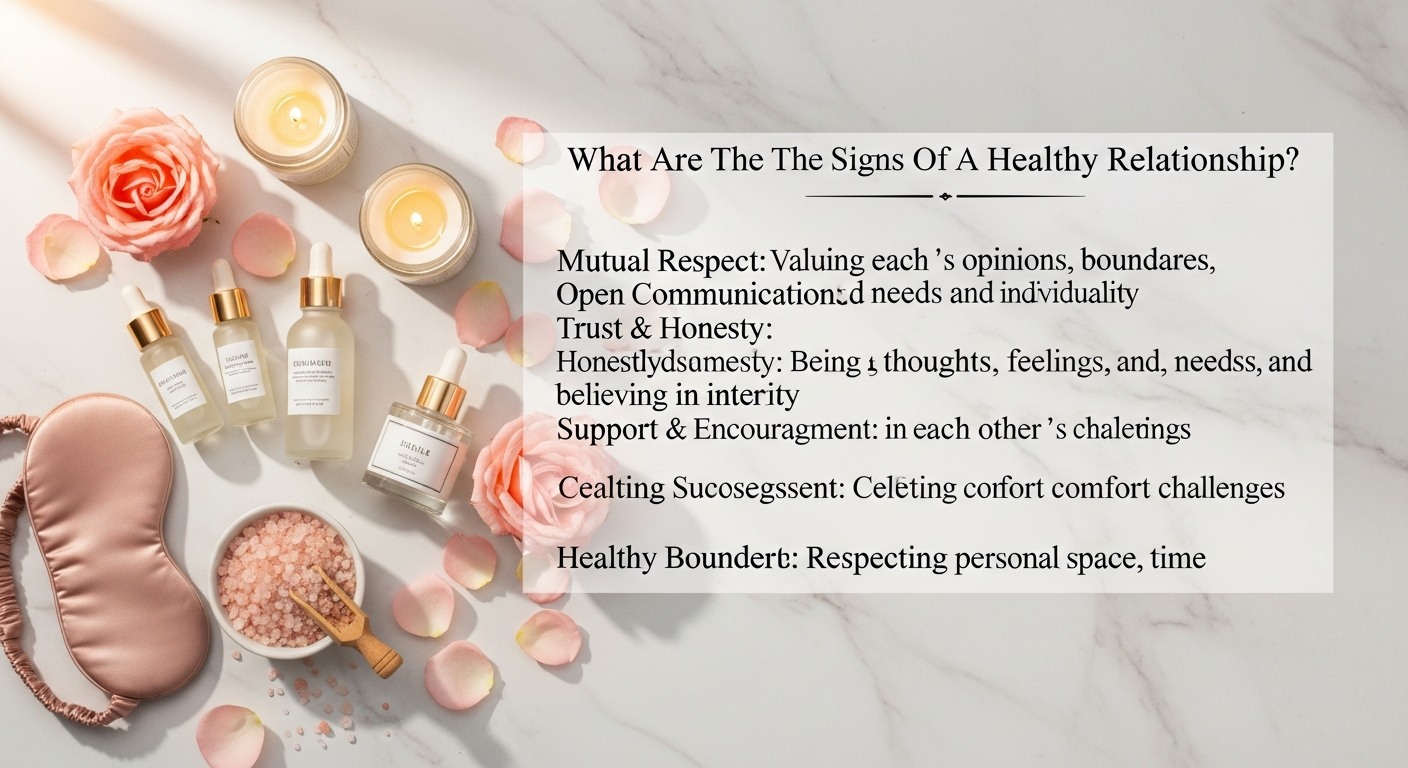
Beyond the foundational elements, a truly healthy relationship is deeply enriched by emotional intelligence and empathy. These qualities allow partners to connect on a profound level, understanding not just the words spoken, but the emotions beneath them. They are crucial for navigating life’s inevitable ups and downs with grace and mutual support, transforming challenges into opportunities for growth. When you observe these characteristics, you are undoubtedly witnessing significant signs of a healthy relationship.
Understanding and Validating Feelings
One of the most powerful ways to show love and support is by truly understanding and validating your partner’s emotional experience. This doesn’t mean you have to agree with their feelings or solve their problems, but simply acknowledge that their feelings are real and valid to them. Key aspects include:
- Empathic Listening: This goes beyond active listening; it’s about putting yourself in your partner’s shoes and trying to feel what they feel. When your partner is upset, instead of immediately offering solutions, an empathic response might be, “That sounds incredibly frustrating,” or “I can see why you’d be feeling so overwhelmed right now.”
- No Minimization or Dismissal: In a healthy relationship, a partner’s feelings are never brushed aside with phrases like “Don’t be so sensitive,” “It’s not a big deal,” or “You’re overreacting.” Such responses are incredibly invalidating and erode trust.
- Offering Comfort and Reassurance: When a partner is struggling, the other provides comfort, whether through words, a hug, or simply being present. They offer reassurance that they are there, a safe harbor in the storm. This is particularly vital when one partner might be grappling with external stressors, such as those discussed in How To Cope With Anxiety At Work. A healthy partner will offer understanding and a listening ear, recognizing the weight of such anxieties without trying to “fix” them immediately.
- Emotional Availability: Both partners are willing to be present and engaged emotionally, especially during difficult times. There’s no emotional stonewalling or withdrawal when one partner needs support.
The ability to understand and validate each other’s emotions builds a deep sense of security and intimacy, reinforcing the idea that you are truly seen and cared for.
Emotional Regulation and Healthy Conflict Resolution
Every relationship will encounter conflict; it’s a natural part of two individuals sharing a life. What differentiates a healthy relationship is not the absence of arguments, but the way they are handled. Emotional intelligence plays a critical role in navigating these moments constructively:
- Self-Regulation: Both partners have developed the ability to manage their own emotions during conflict. This means taking a pause when overwhelmed, avoiding lashing out in anger, and choosing words carefully rather than impulsively.
- Focus on the Problem, Not the Person: Healthy conflict resolution centers on addressing the issue at hand, rather than resorting to personal attacks, blame, or dredging up past grievances. The goal is to solve the problem together, not to “win” an argument.
- Willingness to Compromise: Recognizing that a relationship is a partnership, healthy couples are willing to meet each other halfway. This involves listening to each other’s needs and finding solutions that work for both, even if it means individual concessions.
- Taking Responsibility: When mistakes are made, partners are able to acknowledge their part, apologize genuinely, and take steps to repair any damage. There’s an absence of defensiveness or shifting blame.
- Fair Fighting Rules: Over time, healthy couples often develop unspoken (or even spoken) rules for fighting fair – no yelling, no name-calling, no bringing up divorce during arguments, no walking out without agreeing to return and discuss.
The capacity to navigate conflict with emotional maturity and a commitment to resolution strengthens the bond, proving that the relationship can withstand pressure and grow through challenges.
Shared Vulnerability and Emotional Intimacy
Emotional intimacy is the feeling of being deeply connected to another person, where you can be your authentic self without fear. It’s built on shared vulnerability, allowing both partners to reveal their true selves, including their imperfections and fears. Signs of this deep connection include:
- Openness to Share: Both partners feel comfortable sharing their inner world – their dreams, fears, past experiences, and insecurities – knowing they will be met with acceptance and understanding.
- Mutual Disclosure: The vulnerability is reciprocal. One partner’s sharing encourages the other to do the same, creating a cycle of increasing closeness and trust.
- Feeling Truly Seen and Understood: Beyond just hearing the words, there’s a profound sense that your partner truly “gets” you, understanding your motivations, your joys, and your sorrows.
- Comfort in Silence: Emotional intimacy also manifests in the comfort of simply being together without the need for constant conversation. There’s a quiet understanding and connection that transcends words.
- Celebrating Authentic Selves: There’s no pressure to pretend or put on a facade. Both partners feel loved and accepted for exactly who they are, quirks and all.
This deep emotional connection is a powerful indicator of a healthy relationship, signifying a bond that goes far beyond surface-level interaction and delves into the heart of who each person is.
Support for Individual Growth and Shared Aspirations
Cheering Each Other On: Personal and Professional Development
One of the most beautiful aspects of a healthy partnership is the unwavering support for each other’s individual growth, whether that be in personal pursuits, career aspirations, or self-improvement. This isn’t just passive acceptance; it’s active encouragement and celebration:
- Active Encouragement: Your partner genuinely encourages you to pursue your passions, hobbies, and career goals. They provide practical support when possible (e.g., watching the kids so you can study, helping brainstorm ideas) and emotional encouragement when needed.
- Celebrating Successes: Big or small, your partner celebrates your achievements as if they were their own. They take genuine pride in your accomplishments and are your biggest cheerleader.
- Providing a Sounding Board: When you’re facing challenges, whether it’s a new project at work or a personal dilemma, your partner is there to listen, offer perspective, and help you think through solutions without taking over. This support is especially crucial when navigating workplace stress; a partner who can listen without judgment and offer encouragement can significantly help you How To Cope With Anxiety At Work, providing a safe space to decompress and strategize.
- Constructive Feedback (When Asked): While always supportive, a healthy partner can also offer honest, constructive feedback when you ask for it, always with your best interests at heart and delivered with kindness.
- No Competition or Resentment: There’s no underlying jealousy or competition when one partner achieves something. Instead, there’s a shared joy and belief in each other’s potential.
This mutual championing creates an environment where both individuals feel empowered to reach their full potential, knowing they have a steadfast ally in their corner.
Maintaining Individuality: Space to Be Yourself
While shared experiences are vital, a healthy relationship also recognizes the importance of individual identity and autonomy. It’s not about merging into one entity, but about two distinct individuals choosing to share their lives. Signs of respected individuality include:
- Personal Space and Alone Time: Both partners understand and respect the need for personal space and time alone. This might mean having separate hobbies, taking solo trips, or simply enjoying quiet time apart. This directly ties into the importance of self-care; just as we teach How To Create Self Care Routine for personal well-being, a partner who supports this is fostering a stronger, healthier individual, which in turn strengthens the relationship.
- Separate Friendships and Social Circles: While enjoying shared friends, partners also maintain their individual friendships. There’s no expectation to always attend social events together or to give up old friends.
- Individual Hobbies and Interests: Each partner has their own interests and pursuits that they can engage in without judgment or pressure to always include the other. This enriches both individuals and gives them unique experiences to share.
- Respect for Personal Values and Beliefs: Even if values or beliefs differ, there’s a deep respect for each other’s core principles and philosophies, without attempting to convert or demean.
- Autonomy in Decision-Making: While major decisions are made together, individuals retain autonomy over their personal choices, purchases, and self-expression within reasonable relationship boundaries.
This balance of togetherness and individuality ensures that each person remains vibrant and whole, bringing their best self to the partnership rather than feeling diminished or consumed by it.
Shared Vision and Future Planning
Beyond individual growth, healthy relationships are characterized by a shared vision for the future and a willingness to plan and work towards collective goals. This doesn’t mean having identical dreams, but rather aligning on core values and directions. Key indicators include:
- Discussing and Aligning on Life Goals: Couples openly discuss their long-term aspirations regarding career, family, finances, lifestyle, and where they want to live. They work to find common ground and ensure their individual paths can converge.
- Collaborative Problem-Solving: When challenges arise that impact the shared future, partners approach them as a team, pooling their resources and ideas to find solutions together.
- Commitment to Growth as a Couple: There’s an understanding that relationships evolve, and both partners are committed to growing together, adapting to changes, and continually nurturing their bond.
- Financial Transparency and Shared Goals: Healthy couples are open about their finances, discuss shared financial goals (e.g., saving for a home, retirement), and work together to manage their resources responsibly.
- Mutual Investment in the Relationship’s Future: Both partners actively invest time, energy, and emotional effort into building a future together, demonstrating commitment through their actions, not just words.
A shared vision provides direction and purpose, strengthening the bond and ensuring that both partners are rowing in the same direction towards a fulfilling life together. This alignment is a powerful testament to the health and longevity of the relationship.
Healthy Boundaries and Autonomy: Fostering Security and Freedom

In the quest to understand what are the signs of a healthy relationship, the concept of boundaries often emerges as a critical, yet sometimes misunderstood, element. Boundaries are not walls that separate partners; rather, they are invisible lines that define where one person ends and the other begins, ensuring that both individuals feel secure, respected, and free within the partnership. They are essential for maintaining personal integrity and fostering a balanced, interdependent connection, rather than one of unhealthy enmeshment or dependence.
Defining and Respecting Personal Space
Just as physical boundaries are important for personal safety, emotional and psychological boundaries are vital for mental well-being within a relationship. Respect for personal space is a clear sign of a healthy dynamic:
- Physical Boundaries: This involves respecting each other’s physical comfort zones, privacy (e.g., personal belongings, private conversations), and bodily autonomy. There’s no pressure for physical intimacy when one partner isn’t ready or willing.
- Emotional Boundaries: Partners understand that they are not responsible for each other’s happiness, nor are they expected to constantly solve each other’s problems. They offer support but recognize the importance of individual emotional resilience. They avoid emotional dumping or expecting their partner to always regulate their emotions for them.
- Time Boundaries: Respecting each other’s need for alone time, time with friends or family, or time dedicated to personal hobbies and work. This means not interrupting frequently, demanding constant attention, or feeling entitled to every moment of your partner’s free time.
- Digital Boundaries: In the 2026 digital age, this is increasingly important. Healthy relationships involve respecting privacy on phones, computers, and social media. There’s no unapproved snooping or demanding access to personal accounts, built on the foundation of trust we discussed earlier.
- Clear “No” Means “No”: The ability to say “no” without guilt or fear of retribution is paramount. A healthy partner respects this boundary unequivocally, understanding that “no” is a complete sentence.
When personal boundaries are clearly communicated and consistently respected, it creates a sense of safety and trust, allowing both partners to flourish authentically.
Autonomy Within Partnership: The Power of Choice
Autonomy refers to the capacity of a rational individual to make an informed, uncoerced decision. In a healthy relationship, both partners retain a strong sense of self and the power to make their own choices, even within the context of a shared life:
- Individual Decision-Making: While major life decisions are made jointly, individuals retain the freedom to make personal choices regarding their appearance, career direction, education, personal purchases (within shared financial agreements), and how they spend their individual free time.
- Financial Independence (or Shared, Respected Management): Healthy couples often maintain some level of financial autonomy or, if finances are fully merged, respect each other’s spending habits and financial decisions within an agreed-upon framework. There’s no financial control or manipulation.
- Freedom of Thought and Opinion: Partners are encouraged to think for themselves, develop their own opinions, and voice them, even if they differ from their partner’s. There’s no expectation of conformity of thought.
- No Feeling of Being Controlled: A key indicator of a healthy relationship is the absence of feeling controlled, manipulated, or constantly needing permission to do things. Both partners operate from a place of mutual respect and assumed good intent.
- Support for Personal Passions: Autonomy extends to supporting each other’s personal passions, even if they don’t directly involve the other partner. This fosters individual fulfillment and brings richness back into the relationship.
A healthy balance between interdependence and autonomy allows partners to feel connected without feeling suffocated, fostering a dynamic where both individuals can thrive and contribute uniquely to the partnership.
Navigating External Influences: Family, Friends, and Social Circles
A relationship doesn’t exist in a vacuum; it interacts with a broader social ecosystem of family, friends, and community. How a couple manages these external influences is a significant sign of their internal health:
- United Front: Healthy couples present a united front to external pressures, especially from family members who might be overstepping. They support each other and discuss how to manage external opinions or demands.
- Respect for Each Other’s Relationships: Partners respect each other’s relationships with their own families and friends. While boundaries might be set for certain interactions, there’s no attempt to isolate one partner from their loved ones.
- Clear Communication with Outsiders: When necessary, healthy couples clearly communicate their boundaries to friends and family, ensuring that the couple’s needs and decisions are respected.
- Balanced Time with External Circles: While enjoying time with their respective social circles, healthy couples also prioritize their time together and ensure external commitments don’t consistently overshadow their relationship.
- No Undermining: Neither partner undermines the other’s authority or decisions in front of family or friends. Any disagreements are handled privately within the relationship.
The ability to navigate external influences as a cohesive unit, while still respecting individual ties, reinforces the strength and maturity of the relationship. It demonstrates that the partnership is self-sufficient and capable of defining its own rules and boundaries, a critical element in understanding what are the signs of a healthy relationship in its entirety.
Beyond the Honeymoon Phase: Resilience and Adaptability
While the initial stages of a relationship are often filled with excitement and effortless connection, the true test of its health and longevity comes after the “honeymoon phase” fades. This is when real life sets in, bringing with it challenges, changes, and the need for both partners to demonstrate resilience and adaptability. A healthy relationship isn’t just about surviving these moments; it’s about growing stronger through them. Observing how a couple navigates the ebb and flow of life provides profound insights into what are the signs of a healthy relationship.
Facing Challenges Together: A United Front
Life is unpredictable, and every couple will eventually face difficulties – from financial setbacks and health issues to career changes and personal losses. A defining characteristic of a healthy relationship is the ability to confront these challenges as a unified team:
- Mutual Support in Adversity: When one partner is struggling, the other steps up with unwavering support, understanding, and practical help. There’s a sense of “we’re in this together.”
- Problem-Solving as a Team: Instead of blaming or withdrawing, healthy partners approach problems collaboratively. They brainstorm solutions, share responsibilities, and work towards overcoming obstacles side-by-side.
- Emotional Fortification: During tough times, partners provide emotional strength to each other, offering comfort, hope, and reminding each other of their shared resilience and past triumphs.
- No Resentment During Difficult Periods: While challenges can be stressful, healthy partners avoid developing resentment towards each other for the difficulties faced. They understand that life happens, and they are partners in navigating it.
- Maintaining Perspective: Even in the face of significant challenges, healthy couples often manage to maintain perspective, finding moments of lightheartedness or gratitude, and reminding each other of their enduring love.
The ability to weather storms together not only strengthens the bond but also builds a deep reservoir of shared history and mutual reliance, making the relationship more robust for future trials.
Adaptability and Growth: Evolving as Individuals and a Couple
People change, circumstances shift, and relationships, to remain healthy, must also be capable of evolving. Stagnation is often a precursor to decline. The signs of adaptability and growth in a healthy relationship include:
- Acceptance of Change: Both partners understand that individuals grow and change over time, and they accept and embrace these evolutions in each other, rather than clinging to past versions.
- Willingness to Adjust: As life stages change (e.g., parenthood, career shifts, retirement), healthy couples are willing to adjust their routines, expectations, and roles to accommodate new realities.
- Continuous Learning About Each Other: Even after years together, healthy partners remain curious about each other. They ask questions, listen to new insights, and continually deepen their understanding of who their partner is becoming.
- Flexibility in Roles: Roles within a relationship can be fluid. Healthy couples are flexible and willing to take on different responsibilities as needed, rather than being rigidly stuck in traditional or predetermined roles.
- Embracing New Experiences Together: A willingness to try new things, explore new hobbies, or embark on new adventures together keeps the relationship fresh and dynamic, fostering shared growth.
This capacity for both individual and relational growth ensures that the partnership remains vibrant, engaging, and relevant to the lives of both individuals, reflecting a deep commitment to an ongoing journey together.
Nurturing the Spark: Ongoing Effort and Appreciation
The “spark” that often characterizes the beginning of a relationship doesn’t magically sustain itself. Like a garden, a healthy relationship requires continuous nurturing, effort, and appreciation. This ongoing investment is a powerful sign of its health and vitality:
- Intentional Quality Time: Healthy couples prioritize spending quality time together, whether it’s regular date nights, weekend getaways, or simply dedicated time for conversation without distractions.
- Acts of Service and Thoughtfulness: Small gestures of kindness, thoughtful surprises, and acts of service (e.g., doing a chore your partner dislikes, bringing them coffee) demonstrate care and appreciation consistently.
- Expressions of Affection and Love: Both partners regularly express their love and affection, both verbally and physically, in ways that resonate with each other’s love languages.
- Showing Gratitude: Healthy partners actively express gratitude for each other’s presence, efforts, and contributions to the relationship and shared life. This isn’t just for grand gestures, but for the everyday kindnesses.
- Conscious Investment: Just as the principles of What Is Slow Fashion Why It Matters teach us to value quality, longevity, and mindful choices over fleeting trends, a healthy relationship applies a similar philosophy. It involves conscious, deliberate investment in its enduring quality, choosing to prioritize and maintain the partnership with care and intention, rather than letting it fall prey to neglect or superficial distractions. This intentionality ensures the relationship remains robust and meaningful for the long term, moving beyond fleeting moments to build something truly lasting.
The continuous effort to nurture and appreciate the relationship is a testament to its value and the partners’ commitment to its enduring health. It’s the conscious choice to keep the connection alive and thriving, year after year, well into 2026 and beyond.
The Joy of Connection: Fun, Laughter, and Affection
While discussing the weighty pillars of trust, communication, and resilience is crucial for understanding what are the signs of a healthy relationship, it’s equally important not to overlook the lighter, joyful aspects that infuse a partnership with life and vibrancy. A healthy relationship isn’t just functional; it’s also a source of immense joy, laughter, and affection. These elements are the emotional dividends of a strong foundation, creating a rich and fulfilling experience for both partners.
Shared Activities and Hobbies
Couples in healthy relationships often find joy in shared activities, whether they are grand adventures or simple everyday pleasures. These shared experiences create positive memories and strengthen the bond:
- Engaging in Mutual Interests: Partners actively participate in hobbies or activities they both enjoy, from cooking and hiking to watching movies or playing games.
- Trying New Things Together: A willingness to explore new interests or experiences as a couple
Recommended Resources
Learn more about this topic in Home Decor Ideas On A Budget 2026 at Rock Salt Plum.
Learn more about this topic in Best Jewelry For Different Necklines at Celebrity Exchange.